

When it comes to industrial equipment, understanding the noise level of machinery is crucial for both the well - being of workers and the overall efficiency of operations. As an established supplier of Auger Feeders, I'm often asked about the noise levels associated with these essential pieces of equipment. In this blog, I'll delve into the factors that influence the noise level of Auger Feeders, typical noise ranges, and how we, as a supplier, take steps to manage noise.
Understanding Auger Feeders
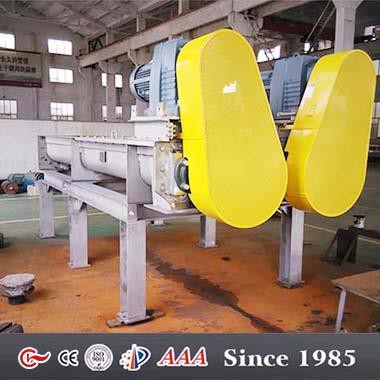
Before we address the noise levels, it's important to understand what Auger Feeders are. Auger Feeders are used to convey and meter bulk materials from one point to another. They consist of a rotating screw (auger) inside a trough or tube. The rotation of the auger moves the material along the length of the feeder. These feeders are commonly used in industries such as agriculture, food processing, chemical manufacturing, and construction.
Factors Affecting the Noise Level of Auger Feeders
There are several factors that can influence the noise generated by Auger Feeders.
1. Design and Construction
The design of the Auger Feeder plays a significant role in noise production. A poorly designed feeder may have misaligned components, which can cause vibrations and subsequently, increased noise. For example, if the auger is not centered properly within the trough, it can rub against the sides, creating a scraping noise. Additionally, the quality of the materials used in construction matters. Low - grade materials may not dampen vibrations as effectively as high - quality ones, leading to more noise.
2. Rotational Speed
The speed at which the auger rotates is directly related to the noise level. Faster rotation generally means more noise. As the auger spins, the movement of the material and the impact of the auger flights against the material create sound waves. When the speed is increased, these interactions become more intense, resulting in a higher noise output.
3. Material Characteristics
The type of material being fed through the Auger Feeder also affects the noise level. Abrasive materials can cause more wear and tear on the auger and the trough, which may lead to increased noise over time. Materials with large particle sizes or irregular shapes can also create more noise as they move through the feeder, as they may cause more impact and friction.

4. Mounting and Installation
Proper mounting and installation are essential for minimizing noise. If the Auger Feeder is not installed on a stable surface or if the mounting hardware is loose, it can create vibrations that contribute to noise. Additionally, insufficient isolation between the feeder and its surroundings can allow noise to propagate more freely.
Typical Noise Ranges
The noise level of Auger Feeders can vary widely depending on the factors mentioned above. In general, a well - designed and properly installed Auger Feeder operating at a moderate speed may produce noise levels in the range of 50 - 70 decibels (dB). This is similar to the sound level of normal conversation or a quiet office environment.
However, if the feeder is operating at high speeds, feeding abrasive materials, or has design or installation issues, the noise level can exceed 85 dB. A noise level of 85 dB or higher is considered harmful to human hearing with prolonged exposure. These high - noise levels can not only cause discomfort to workers but also lead to long - term hearing loss.
Managing Noise Levels in Auger Feeders
As a supplier of Auger Feeders, we take several steps to manage and reduce the noise levels associated with our products.
1. Design Optimization
We invest a significant amount of time in the design stage to ensure that our Auger Feeders are as quiet as possible. This includes proper alignment of components, using high - quality materials, and designing the auger and trough to minimize friction and vibrations. For example, we use smooth - surfaced troughs to reduce the scraping noise caused by the movement of the material.
2. Speed Control
We offer Auger Feeders with variable speed drives, which allow our customers to adjust the rotational speed of the auger according to their needs. By operating the feeder at a lower speed, the noise level can be significantly reduced. This also has the added benefit of reducing wear and tear on the equipment.
3. Noise - Dampening Materials
We incorporate noise - dampening materials in the construction of our Auger Feeders. These materials can absorb vibrations and reduce the sound waves generated during operation. For example, we may use rubber gaskets or liners in the trough to reduce the impact noise caused by the material.
4. Proper Installation and Maintenance
We provide detailed installation instructions to ensure that our Auger Feeders are installed correctly. We also offer maintenance services and guidelines to keep the feeders in optimal condition. Regular maintenance, such as lubricating moving parts and tightening loose hardware, can help prevent the development of noise - causing issues.
Related Products and Their Impact on Noise
In addition to Auger Feeders, our product lineup includes other equipment such as Bulk Storage Silos, Screw Conveyors with Hopper Volumetric Feeder, and Bulk Cement Storage Silos. These products can work in conjunction with Auger Feeders, and their operation can also have an impact on the overall noise level in the industrial environment.
Bulk Storage Silos are used to store large quantities of bulk materials. While they themselves may not generate a significant amount of noise, the process of filling and emptying them can contribute to the overall noise. For example, the flow of material into or out of the silo can create a rumbling sound.
Screw Conveyors with Hopper Volumetric Feeders are similar to Auger Feeders in that they use a rotating screw to move materials. They may generate noise levels similar to Auger Feeders, depending on their design, speed, and the type of material being conveyed.
Bulk Cement Storage Silos are specifically designed for storing cement. The handling of cement can be noisy, especially when the cement is being transferred or agitated. However, we design our Bulk Cement Storage Silos with noise - reducing features to minimize the impact on the surrounding environment.
Why Choose Our Auger Feeders
Our expertise in managing noise levels is just one of the reasons why customers choose our Auger Feeders. We have years of experience in the industry, and our products are known for their reliability and efficiency. We offer a wide range of Auger Feeders to meet the diverse needs of our customers, from small - scale operations to large industrial plants.
In addition to our focus on noise reduction, we also provide excellent customer service. Our team of experts is available to answer any questions you may have about our products, including installation, operation, and maintenance. We can also provide customized solutions based on your specific requirements.
Contact Us for Procurement
If you're in the market for Auger Feeders or any of our related products, we encourage you to reach out to us. Whether you're looking to replace an old feeder or set up a new system, we can help you find the right solution. We understand the importance of noise management in the workplace, and our products are designed to meet the highest standards of performance and noise reduction. Contact us today to start a conversation about your procurement needs.
References
- "Industrial Machinery Noise Control Handbook", John Wiley & Sons
- "Noise and Vibration Control Engineering: Principles and Applications", CRC Press
- "Bulk Material Handling Equipment Design and Operation", Elsevier