

About Us
Wuxi Changrong Conveying Machinery Company locates qianzhou town where is nearly by lake Tai. Wuxi Changrong gets well developed: east is Xicheng expressway ,Yangtze Riverside expressway ,west is 312 National highway, Hu Ning expressway cross qianzhou town ( Yuqi exit is 1 kilo to Wuxi Changrong ).
Wuxi Changrong has been engaged in development, design, manufacture of conveying equipment for various materials for more than thirty years. With a team engaged in professional design on all kinds of conveying equipment as well as a team of technical workers who are engaged in the production of various conveying equipments ,Wuxi Changrong always adhere the principle of “Accurately design, Exactly manufacturing ,Sincerely service and constantly perfecting “ for customers . Wuxi Changrong is the pointing manufacturer of China Chemical Industry Reconnaissance Design Association and one of the earliest enterprises in the field which passed ISO9001 Certification.Moreover ,Wuxi Changrong’s many products are qualified with CE certifications.
why choose us
Advanced equipment
Equipment based on the latest technological developments has higher efficiency, better performance and stronger reliability.
Professional team
Our professional team collaborate and communicate effectively with one another, and are committed to delivering high-quality results. They are capable of handling complex challenges and projects that require
Customized services
Our team of experts will work closely with you to understand your needs and will provide solutions that are tailored to meet your expectations.
Rich experience
Our company has many years of production work experience. The concept of customer-oriented and win-win cooperation makes the company more mature and stronger.
-

Big Bag Unloading Station Bulk Bag Unloading
Bulk bag unloading i ntroduction Our company has been involved in designing and making bulk bag unloading since 1985 ,then founded Wuxi Changrong Conveying Machinery Company in 1993.With... Add to Inquiry -


What is Silo Unloader
A silo unloader is a type of equipment used to remove or discharge the contents of a silo, which is a structure used for storing bulk materials such as grain, coal, cement, and other types of dry materials. Silo unloaders can be used in various industries, including agriculture, mining, and construction.
Silo unloaders are essential for efficiently removing materials from silos, especially when dealing with large quantities of material. They help prevent material from becoming compacted or stuck in the silo, which can cause problems such as spoilage or decreased quality. Silo unloaders can also help reduce the time and labor required to remove material from a silo, making the process more efficient and cost-effective.
Benefits of Silo Unloader
Increased efficiency
Silo unloaders can help increase the speed and efficiency of removing materials from a silo. This can reduce labor costs and increase productivity.
01
Improved safety
Manual removal of materials from a silo can be hazardous and pose a risk of injury. Silo unloaders can help reduce the risk of accidents and improve safety.
02
Reduced material waste
Silo unloaders can help prevent material waste by ensuring that all the material is removed from the silo. This can help reduce costs and increase profits.
03
Versatility
Silo unloaders can be used for a variety of materials, including grain, coal, cement, and other types of dry materials. This makes them a versatile tool for many industries.
04
Reduced maintenance costs
Silo unloaders can help reduce maintenance costs by preventing material buildup and blockages in the silo. This can help extend the lifespan of the silo and reduce maintenance costs.
05
Types of Silo Unloader
1.Mechanical unloaders
Mechanical unloaders use a conveyor system to remove material from the silo. They are typically mounted on the outside of the silo and consist of a series of rollers or paddles that rotate to move the material along the conveyor belt.
2.Pneumatic unloaders
Pneumatic unloaders use air pressure to blow the material out of the silo. A vacuum is created in the silo, which causes the material to be sucked into a pipe and transported to a storage area or processing facility.
3.Auger unloaders
Auger unloaders use a rotating helical screw to move the material out of the silo. The auger may be mounted on the outside of the silo or run through the center of the silo.
4.Rotary unloaders
Rotary unloaders use a rotating drum to move the material out of the silo. The drum may be equipped with paddles or flights that help move the material along the interior of the drum.
5.Hydraulic unloaders
Hydraulic unloaders use hydraulic pressure to move the material out of the silo. A hydraulic cylinder is attached to the bottom of the silo, which causes the silo to tilt and discharge the material.
Material of Silo Unloader
The material used for a silo unloader will depend on the type of unloader and the specific application. Here are some of the common materials used for silo unloaders:
Stainless steel: Stainless steel is a popular material for silo unloaders because it is durable, corrosion-resistant, and easy to clean. It is commonly used in food and pharmaceutical applications.
Carbon steel: Carbon steel is a strong and economical material that is commonly used in industrial applications. It is not as corrosion-resistant as stainless steel and may require additional coatings or treatments to prevent rusting.
Aluminum: Aluminum is a lightweight and corrosion-resistant material that is commonly used in smaller silo unloaders. It is also a good choice for applications where the unloader may be exposed to moisture or humid conditions.
Polyethylene: Polyethylene is a plastic material that is commonly used in pneumatic unloaders. It is lightweight, durable, and resistant to corrosion and impact.
Mild steel: Mild steel is a common material for mechanical unloaders, particularly those used in heavy industrial applications. It is strong and durable but may require additional coatings or treatments to prevent rusting.
When selecting a silo unloader, it is important to choose a material that is compatible with the material being handled, the environment in which the unloader will be used, and the specific requirements of the application. It is also important to consider the maintenance and cleaning requirements of the unloader and choose a material that is easy to clean and maintain.

Application of Silo Unloader
1.Agriculture
Silo unloaders are commonly used in the agriculture industry to remove grain, feed, and other agricultural materials from silos. They are an essential tool for farmers and grain elevators, helping to ensure that stored materials are efficiently removed and transported to where they are needed.
2.Mining
Silo unloaders are used in the mining industry to remove materials such as coal, iron ore, and other minerals from storage silos. They are commonly used in mining operations to help maintain efficient production and reduce downtime.
3.Construction
Silo unloaders are used in the construction industry to remove materials such as cement, sand, and other building materials from silos. They are commonly used in construction sites, helping to ensure that materials are efficiently removed and transported to where they are needed.
4.Chemical and pharmaceutical
Silo unloaders are used in the chemical and pharmaceutical industries to remove materials such as powders, granules, and other materials from storage silos. They are commonly used in manufacturing plants, helping to ensure that materials are efficiently removed and transported to where they are needed for processing.
5.Food and beverage
Silo unloaders are used in the food and beverage industry to remove materials such as flour, sugar, and other food ingredients from storage silos. They are commonly used in food processing plants, helping to ensure that materials are efficiently removed and transported to where they are needed for processing.
Process of Silo Unloader
Design
The first step in the production process is to design the silo unloader based on the specific requirements of the application. This includes determining the size, material, and other specifications of the unloader.
Fabrication
Once the design is complete, the materials are cut, bent, and welded to form the structure of the unloader. This may involve using machinery such as press brakes, shears, and welding equipment.
Assembly
The various components of the silo unloader are then assembled, including the conveyor system, motor, and other components. This may involve bolting, wiring, and other assembly techniques.
Testing
Once the unloader is assembled, it is tested to ensure that it is functioning properly and meets the required specifications. This may involve running the unloader with test materials, checking the conveyor system, and verifying the operation of the motor and other components.
Finishing
The final step in the production process is to finish the unloader, which may involve applying coatings, paint, or other surface treatments to protect the unloader from corrosion and wear.
Quality control
Throughout the production process, quality control measures are taken to ensure that the unloader meets the required specifications and is free from defects. This may involve inspections, testing, and other quality control techniques.
Components of Silo Unloader
1
Conveyor system: The conveyor system is the heart of the silo unloader. It consists of a motor, reducer, chain, sprocket, and other components that work together to move the material from the silo to a storage area or processing facility.
2
Hopper: The hopper is a large container located at the bottom of the silo. It collects the material as it is discharged from the silo and funnels it into the conveyor system.
3
Paddle or auger: The paddle or auger is a rotating device that helps to move the material from the silo to the hopper. It may be mounted on the outside of the silo or run through the center of the silo.
4
Control system The control system is responsible for controlling the operation of the silo unloader. It includes a control panel, sensors, and other devices that monitor the operation of the machine and ensure that it is running smoothly and safely.
5
Motor: The motor is responsible for powering the conveyor system and other components of the silo unloader. It may be a hydraulic or electric motor, depending on the specific requirements of the application.
6
Safety features: Silo unloaders typically include several safety features to prevent accidents and ensure safe operation. These may include emergency stop buttons, safety sensors, and other devices that help to protect workers and equipment from potential hazards.
How to Maintain Silo Unloader
Regular inspection
Regularly inspect the silo unloader to check for signs of wear or damage. Look for cracks, leaks, or other issues that could affect the performance of the machine.
Cleaning
Clean the silo unloader regularly to remove dust, dirt, and other debris that can accumulate over time. This will help to prevent buildup and ensure that the machine operates smoothly.
Lubrication
Lubricate the moving parts of the silo unloader regularly to reduce friction and wear. Check the manufacturer's recommendations for the specific lubricants to use.
Motor maintenance
Regularly check the motor to ensure that it is operating properly. Look for any signs of overheating or other issues that could indicate a problem.
Control system maintenance
Regularly inspect the control system to ensure that it is functioning properly. Check the sensors, control panel, and other components to ensure that they are working correctly.
Safety checks
Perform regular safety checks to ensure that the silo unloader meets safety standards. Check the emergency stop buttons, safety sensors, and other safety features to ensure that they are working properly.

Working Principle of Silo Unloader
The working principle of a silo unloader involves several components that work together to discharge material from a silo. Here's an overview of the working principle:
Material loading: The material to be discharged is loaded into the silo through a filling pipe or other loading mechanism. The material is typically stored in the silo in a dense, compact form to minimize space and reduce the risk of spoilage or contamination.
Material discharge: The silo unloader is used to discharge the material from the silo. The unloader typically consists of a rotating paddle or auger that is mounted on the inside of the silo or runs through the center of the silo. The paddle or auger is rotated by a motor or other power source to move the material towards the discharge point.
Hopper and conveyor system: As the material is discharged from the silo, it falls into a hopper located at the bottom of the silo. The hopper funnels the material onto a conveyor system, which transports the material to a storage area or processing facility.
Control system: The silo unloader is typically equipped with a control system that monitors the operation of the machine and ensures that it is running smoothly and safely. The control system may include sensors, switches, and other devices that monitor the level of material in the silo, the rotation of the paddle or auger, and other parameters.
The working principle of a silo unloader involves using a rotating paddle or auger to move material from the silo to a hopper, and then using a conveyor system to transport the material to a storage area or processing facility. The control system helps to ensure that the unloader operates safely and efficiently, and provides important information about the status of the machine and the material being discharged.
How to Choose a Silo Unloader
1.Material type and characteristics
The type of material you need to discharge from the silo will determine the type of silo unloader you need. Different materials have different characteristics, such as flowability, density, and moisture content, which can affect the performance of the unloader.
2.Silo size and configuration
The size and configuration of your silo will also affect the type of silo unloader you need. For example, a larger silo may require a more powerful unloader to handle the increased volume of material.
3.Discharge rate and capacity
Consider the discharge rate and capacity you need from the silo unloader. Different models of unloaders have different discharge rates and capacities, so it's important to choose one that meets your specific requirements.
4.Installation and maintenance
Consider the installation and maintenance requirements of the silo unloader. Some models may require professional installation, while others can be easily installed by the user. Additionally, consider the maintenance requirements of the unloader, as regular maintenance can help to extend its life and ensure optimal performance.
5.Cost and budget
Finally, consider your budget and the cost of the silo unloader. Silo unloaders can vary widely in price, so it's important to choose one that fits your budget and meets your specific needs.
Our Factory
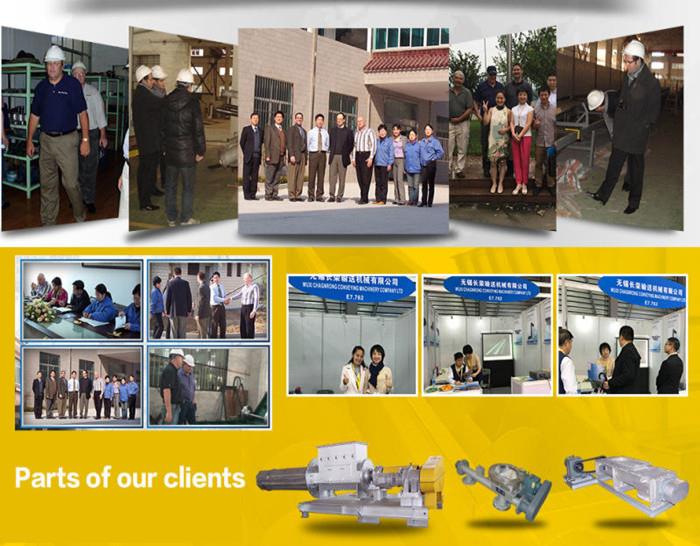
Wuxi Changrong has provided conveying equipments for many famous companies both at home and abroad. Such as Rockwool in Denmark, Saint-Gobain Group, Lanxess Shanghai ,BASF Shanghai ,BASF Nanjing ,Degussa ,Ingevity performance Material Zhuhai Company ,Invista Shanghai ,Dupont , Owenscorning, Mitsubishi Heavy , Japan SUMITOMO,Japan Kurita , etc. In China, North Sichuan Nitrocellulose Co., Ltd, Angel Yeast ,Sinopec, GEM Co., Ltd, Zhejiang Jiahua Group ,Huayou Cobalt, Haitian-Food, LEO KING ENVIRO.GROUP,ZIKE ENVIRONMENT, etc. Meanwhile, Wuxi Changrong export conveying equipments to Russia,Finland, Denmark, Singapore,New Zeland, Australia and other countries .


FAQ
Q: What is a silo unloader?
A: A silo unloader is a machine used to discharge materials from a silo or storage tank. It typically consists of a rotating paddle or auger that moves the material towards a discharge point.
Q: What are the different types of silo unloaders?
A: There are several types of silo unloaders, including rotary unloaders, auger unloaders, and vacuum unloaders. Each type has its own unique features and advantages.
Q: How does a rotary silo unloader work?
A: A rotary silo unloader consists of a rotating paddle that is mounted on the inside of the silo or runs through the center of the silo. The paddle is rotated by a motor or other power source to move the material towards the discharge point.
Q: How does an auger silo unloader work?
A: An auger silo unloader consists of a long, flexible auger that is inserted into the silo. The auger is rotated by a motor or other power source to move the material towards the discharge point.
Q: How does a vacuum silo unloader work?
A: A vacuum silo unloader uses a vacuum pump to create suction inside the silo. The suction causes the material to be pulled towards the vacuum pump, which discharges the material through a hose or pipe.
Q: What are the advantages of using a silo unloader?
A: Silo unloaders offer several advantages, including increased efficiency, reduced labor costs, and improved safety. They can also help to prevent material waste and spoilage by ensuring that the material is discharged quickly and efficiently.
Q: How much does a silo unloader cost?
A: The cost of a silo unloader can vary widely depending on the type, size, and features of the machine. It's important to work with a reputable dealer or manufacturer to get an accurate estimate based on your specific needs.
Q: How often should I maintain my silo unloader?
A: Regular maintenance is essential to ensure that your silo unloader operates efficiently and safely. The frequency of maintenance will depend on the type of machine, the material being discharged, and the frequency of use. It's important to consult the manufacturer's recommendations and keep records of maintenance activities.
Q: What are some common maintenance tasks for a silo unloader?
A: Common maintenance tasks for a silo unloader include cleaning, lubrication, motor maintenance, control system maintenance, and safety checks. Regular inspections can help to identify any potential issues before they become significant problems.
Q: Can I install a silo unloader myself?
A: Some models of silo unloaders can be easily installed by the user, while others may require professional installation. It's important to consult the manufacturer's recommendations and follow all safety guidelines when installing the machine.
Q: What are some safety considerations when using a silo unloader?
A: Safety is a top priority when using a silo unloader. Some safety considerations include using proper personal protective equipment, following all manufacturer's guidelines and instructions, and performing regular safety checks on the machine.
Q: Can a silo unloader handle different types of materials?
A: Yes, silo unloaders can be designed to handle different types of materials, depending on the application. However, it's important to consult with the manufacturer to ensure that the machine is suitable for your specific material type and characteristics.
Q: How much material can a silo unloader discharge per hour?
A: The discharge rate of a silo unloader will depend on the type and size of the machine, as well as the material being discharged. It's important to consult with the manufacturer to get an accurate estimate of the machine's discharge rate.
Q: Can a silo unloader be used for both dry and wet materials?
A: Yes, some models of silo unloaders can be used for both dry and wet materials. However, it's important to consult with the manufacturer to ensure that the machine is suitable for your specific material type and characteristics.
Q: How long does a silo unloader typically last?
A: The lifespan of a silo unloader will depend on several factors, including the type of machine, frequency of use, and maintenance requirements. With proper maintenance and care, a silo unloader can last for many years.
Q: Can a silo unloader be used in hazardous environments?
A: Yes, some models of silo unloaders can be designed to operate in hazardous environments. These machines are typically equipped with safety features such as explosion-proof motors, intrinsically safe controls, and flame arrestors to prevent the ignition of flammable materials.
Q: How does a silo work?
A: Once your goods have been brought to the silo, gravity will naturally control the flow at which the grain reaches the bottom of the silo. At the bottom of the silo, there is an opening that connects to an auger—a device used to safely transport grain from one place to another.
Q: How do they fill a silo?
A: Filling a grain silo is therefore a relatively simple process and requires an auger. An auger, which is a large metal tube that is positioned between a truck, and a silo, feeding grain from the truck to the silo opening via its rotating technology.
Q: What's inside a silo?
A: Silos are commonly used for bulk storage of grain, coal, cement, carbon black, woodchips, food products and sawdust. Three types of silos are in widespread use today: tower silos, bunker silos, and bag silos.
Q: What is the bottom of a silo called?
A: Steel silos usually have two kinds of bottoms, one is the flat bottom and the other is the conical bottom(silos with this type of bottom are also called 'hopper').
Welcome to get custom silo unloader from professional silo unloader manufacturers and suppliers in China here. For price consultation, welcome to contact our factory.
big bag unloader, Silo Hopper, hopper screw feeder