

About Us
Wuxi Changrong Conveying Machinery Company locates qianzhou town where is nearly by lake Tai. Wuxi Changrong gets well developed: east is Xicheng expressway ,Yangtze Riverside expressway ,west is 312 National highway, Hu Ning expressway cross qianzhou town ( Yuqi exit is 1 kilo to Wuxi Changrong ).
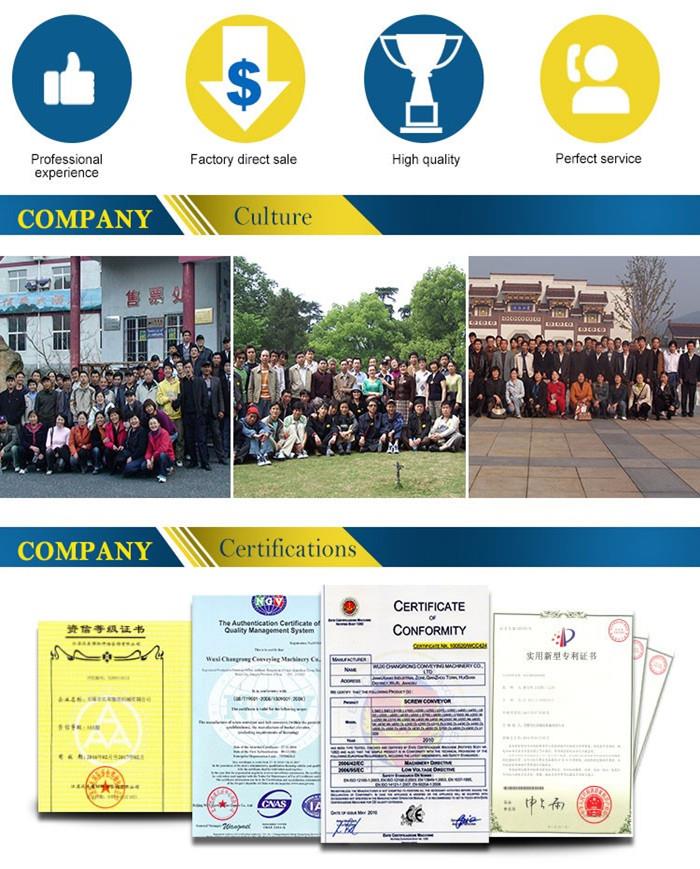
Wuxi Changrong has been engaged in development, design, manufacture of conveying equipment for various materials for more than thirty years. With a team engaged in professional design on all kinds of conveying equipment as well as a team of technical workers who are engaged in the production of various conveying equipments ,Wuxi Changrong always adhere the principle of “Accurately design, Exactly manufacturing ,Sincerely service and constantly perfecting “ for customers . Wuxi Changrong is the pointing manufacturer of China Chemical Industry Reconnaissance Design Association and one of the earliest enterprises in the field which passed ISO9001 Certification.Moreover ,Wuxi Changrong’s many products are qualified with CE certifications.
why choose us
Advanced equipment
Equipment based on the latest technological developments has higher efficiency, better performance and stronger reliability.
Professional team
Our professional team collaborate and communicate effectively with one another, and are committed to delivering high-quality results. They are capable of handling complex challenges and projects that require
Customized services
Our team of experts will work closely with you to understand your needs and will provide solutions that are tailored to meet your expectations.
Rich experience
Our company has many years of production work experience. The concept of customer-oriented and win-win cooperation makes the company more mature and stronger.


What is Silo Hopper
A silo hopper is a type of storage structure used for holding bulk materials such as grain, flour, or other agricultural products. It is typically located at the bottom of a silo or storage tank and is designed to allow the material to flow smoothly and efficiently out of the storage container.
The silo hopper is typically made of sturdy materials such as steel or concrete and is designed to be durable and resistant to corrosion and wear. It is shaped like a cone or funnel and is wider at the top than at the bottom, which helps to promote the smooth flow of material out of the silo.
Benefits of Silo Hopper
Efficient storage
Silo hoppers provide an efficient and space-saving way to store large amounts of bulk materials. They are designed to minimize waste and prevent materials from spoiling.
Easy access
The design of silo hoppers allows for easy access to the stored materials. This makes it simple to load and unload materials quickly and efficiently.
Reduced dust and contamination
Silo hoppers are often equipped with dust collection systems and other features that help to minimize the amount of dust and other contaminants that can affect the stored materials.
Improved safety
The use of silo hoppers can improve safety by reducing the risk of accidents and injuries associated with handling bulk materials.
Flexibility
Silo hoppers can be used for a wide range of materials and can be customized to suit specific needs. This makes them a versatile storage solution for many different types of applications.
Energy efficiency
Silo hoppers are designed to minimize energy consumption and can help to reduce the overall cost of storing and handling bulk materials.
Types of Silo Hopper
1.Rectangular silo hopper
This type of hopper is commonly used for storing grain, flour, and other similar materials. It features a rectangular shape with steep sides that help to promote the flow of materials.
2.Cylindrical silo hopper
This type of hopper is commonly used for storing cement, lime, and other powdery materials. It features a cylindrical shape with a conical bottom that helps to promote the flow of materials.
3.Tapered silo hopper
This type of hopper is commonly used for storing materials that require a slow and steady flow rate. It features a tapered shape with a narrow bottom that helps to control the flow of materials.
4.Aeration silo hopper
This type of hopper is commonly used for storing materials that require aeration to prevent spoilage. It features a perforated bottom that allows air to circulate through the stored materials.
5.Live bottom silo hopper
This type of hopper is commonly used for storing materials that need to be continuously agitated to prevent settling. It features a conveyor system that moves the materials along the bottom of the hopper.
6.Bolted silo hopper
This type of hopper is commonly used for storing materials that require easy access for loading and unloading. It features a design that allows for quick and easy assembly and disassembly.
7.Welded silo hopper
This type of hopper is commonly used for storing materials that require a high level of structural integrity. It features a design that is welded together to create a strong and durable structure.
Material of Silo Hopper
The material used for constructing silo hoppers can vary depending on the specific application and the characteristics of the stored materials. Here are some of the most common materials used for constructing silo hoppers:
Steel: Steel is a popular material for constructing silo hoppers due to its strength and durability. It is commonly used for storing materials that require a high level of structural integrity, such as cement and other powdery materials.
Aluminum: Aluminum is another popular material for constructing silo hoppers, especially for lighter-duty applications. It is lightweight and resistant to corrosion, making it ideal for storing materials that are prone to spoiling or corroding.
Polyethylene: Polyethylene is a type of plastic that is commonly used for constructing silo hoppers due to its resistance to corrosion and ability to withstand a wide range of temperatures. It is commonly used for storing materials that require a high level of hygiene, such as food and beverage products.
Fiberglass Reinforced Plastic (FRP): FRP is a type of composite material that is commonly used for constructing silo hoppers due to its resistance to corrosion and high strength-to-weight ratio. It is commonly used for storing materials that are highly corrosive, such as acids and chemicals.
Concrete: Concrete is a popular material for constructing silo hoppers due to its strength and durability. It is commonly used for storing materials that require a high level of structural integrity, such as grain and other bulk materials.
The material used for constructing a silo hopper will depend on the specific application and the characteristics of the stored materials. It's important to choose the right material to ensure that the stored materials are protected and can be easily accessed and managed.

Application of Silo Hopper
Agriculture
Silo hoppers are commonly used in the agriculture industry for storing grain, feed, and other agricultural products. They provide an efficient and reliable way to store large amounts of bulk materials and ensure that the stored materials are protected from the elements and pests.
01
Cement and concrete
Silo hoppers are widely used in the cement and concrete industry for storing cement, fly ash, and other powdery materials. They are an essential component of ready-mix concrete plants and ensure that the stored materials are easily accessible and can be quickly loaded into mixers.
02
Food and beverage
Silo hoppers are used in the food and beverage industry for storing a wide range of products, including flour, sugar, cocoa, and other dry bulk materials. They provide a hygienic and safe way to store these products and ensure that they are protected from contamination and spoilage.
03
Chemical and pharmaceutical
Silo hoppers are used in the chemical and pharmaceutical industry for storing a variety of chemicals and powders. They ensure that the stored materials are protected from moisture, light, and other environmental factors that can affect the quality of the stored materials.
04
Waste management
Silo hoppers are used in the waste management industry for storing and managing municipal solid waste, construction and demolition debris, and other types of waste. They provide an efficient and environmentally friendly way to manage waste and reduce the impact on the environment.
05
Process of Silo Hopper
1
Design and engineering: The first step in the production process is to design and engineer the silo hopper to meet the specific requirements and specifications of the customer. This includes determining the size, shape, material, and other design features of the hopper.
2
Material selection: Once the design is complete, the appropriate materials are selected based on the specific application and characteristics of the stored materials. This can include steel, aluminum, polyethylene, fiberglass reinforced plastic (FRP), or concrete, among others.
3
Manufacturing: The materials are then manufactured into the hopper shape using various manufacturing techniques, such as welding, bolting, molding, or casting, depending on the material and design of the hopper.
4
Assembly: The various components of the hopper, such as the walls, roof, and bottom, are then assembled together to create the completed hopper. This can involve welding, bolting, or other fastening techniques.
5
Inspection and testing: Once the hopper is assembled, it undergoes inspection and testing to ensure that it meets the required quality and safety standards. This can include visual inspection, pressure testing, and other testing methods.
6
Painting and finishing: The hopper is then painted and finished to the customer's specifications, which can include adding logos, color coding, or other aesthetic features.
7
Delivery and installation: The completed hopper is then delivered to the customer's site and installed into the storage system. This can involve lifting the hopper into place using a crane or other equipment.
Components of Silo Hopper
Hopper walls
The walls of the hopper are typically made of steel, aluminum, or another material that can withstand the pressure and weight of the stored materials. The walls are designed to be sloped, which helps to promote the flow of materials towards the outlet.
Hopper roof
The roof of the hopper is designed to prevent materials from spilling out and to protect the stored materials from the elements. The roof can be flat or sloped, and may include a hatch or access point for loading and unloading materials.
Bottom outlet
The bottom outlet is the opening at the bottom of the hopper through which materials are discharged. It is typically equipped with a gate or valve that can be opened and closed to control the flow of materials.
Loading spout
The loading spout is the opening at the top of the hopper through which materials are loaded. It is typically equipped with a closure or cover to prevent materials from spilling out during transportation or when the hopper is not in use.
Level indicator
The level indicator is a device that is used to monitor the level of materials in the hopper. It can be a mechanical, electronic, or optical device that provides a visual or digital readout of the material level.
Venting system
The venting system is used to regulate the pressure inside the hopper and to prevent the buildup of gases or vapors that can affect the flow of materials. It typically consists of vents or louvers that allow air to enter and exit the hopper.
How to Maintain Silo Hopper
Regular inspections
Regular inspections of the silo hopper should be conducted to identify any potential issues or defects before they become significant problems. During inspections, pay close attention to the walls, roof, bottom outlet, and other components of the hopper.

Cleaning
Regular cleaning of the silo hopper is important to prevent the buildup of materials, which can affect the flow of materials and cause blockages or other issues. Clean the hopper thoroughly after each use and before loading new materials.
Greasing and lubrication
Greasing and lubrication of the hopper components, such as the gates, valves, and bearings, can help to prevent corrosion and wear and extend the life of the hopper. Follow the manufacturer's recommendations for lubrication and greasing.
Repairs
If any defects or damage are identified during inspection or cleaning, they should be repaired promptly to prevent further damage or deterioration. It is important to use only qualified and experienced personnel to perform repairs and maintenance on the hopper.
Painting and coatings
Regular painting and coatings of the hopper can help to prevent corrosion and extend the life of the hopper. Follow the manufacturer's recommendations for paint and coatings, and ensure that the paint is suitable for the materials being stored.
Training
Training should be provided to personnel who operate and maintain the silo hopper to ensure that they are familiar with the hopper's operation and maintenance requirements. Proper training can help to prevent accidents and ensure that the hopper is used safely and efficiently.

Working Principle of Silo Hopper
The working principle of a silo hopper is based on the principle of gravity flow, which states that materials will flow downwards under the force of gravity if there are no obstacles in their path. Here's a step-by-step explanation of how a silo hopper works:
Loading: Materials are loaded into the silo hopper through the loading spout, which is typically located at the top of the hopper. The materials are then stored in the hopper until they are needed for use.
Gravity flow: The stored materials are then discharged from the hopper through the bottom outlet, which is located at the bottom of the hopper. The materials flow downwards under the force of gravity through the outlet, which is typically equipped with a gate or valve that can be opened and closed to control the flow of materials.
Material flow: The slope of the hopper walls is designed to promote the flow of materials towards the bottom outlet. The angle of the walls is typically between 45 and 60 degrees, which creates a slope that allows materials to flow freely without becoming blocked or bridged.
Discharge: As materials are discharged from the hopper, they are typically transported to another location for further processing or use. The materials can be discharged manually or automatically, depending on the specific requirements and specifications of the hopper.
The working principle of a silo hopper is based on the principle of gravity flow, which allows materials to be stored and discharged efficiently and reliably. The specific design and operation of the hopper will vary depending on the type of materials being stored and the specific requirements and specifications of the customer.
How to Choose a Silo Hopper
Material type
The type of materials to be stored will determine the type of silo hopper that is required. For example, powders and bulk solids will require a hopper with a steep slope to promote gravity flow, while liquids or gases will require a different type of storage system.
Capacity and flow rate
The required capacity and flow rate of the materials will also determine the type and size of the silo hopper that is needed. Larger hoppers with higher capacities may be required for larger-scale operations, while smaller hoppers may be sufficient for smaller-scale applications.
Space availability
The available space for the silo hopper will also affect the choice of hopper. Hoppers can be designed to fit in specific spaces or to meet specific height or width restrictions, so it's important to consider the available space when choosing a hopper.
Design and features
The design and features of the silo hopper will also affect the choice of hopper. Some hoppers may include features such as internal linings to prevent corrosion, automated discharge systems, or level indicators to monitor the material level.
Budget
The budget for the silo hopper will also play a role in the choice of hopper. It's important to consider the total cost of the hopper, including installation, maintenance, and any additional equipment or accessories that may be required.
Manufacturer and supplier
Choosing a reputable manufacturer and supplier is also important when choosing a silo hopper. It's important to choose a manufacturer and supplier that can provide high-quality products, reliable customer service, and technical support as needed.
Our Factory
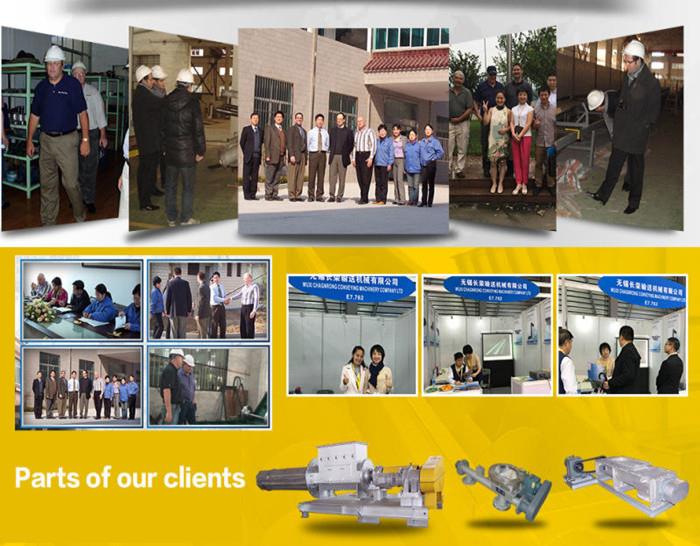
Wuxi Changrong has provided conveying equipments for many famous companies both at home and abroad. Such as Rockwool in Denmark, Saint-Gobain Group, Lanxess Shanghai ,BASF Shanghai ,BASF Nanjing ,Degussa ,Ingevity performance Material Zhuhai Company ,Invista Shanghai ,Dupont , Owenscorning, Mitsubishi Heavy , Japan SUMITOMO,Japan Kurita , etc. In China, North Sichuan Nitrocellulose Co., Ltd, Angel Yeast ,Sinopec, GEM Co., Ltd, Zhejiang Jiahua Group ,Huayou Cobalt, Haitian-Food, LEO KING ENVIRO.GROUP,ZIKE ENVIRONMENT, etc. Meanwhile, Wuxi Changrong export conveying equipments to Russia,Finland, Denmark, Singapore,New Zeland, Australia and other countries .

FAQ
Q: What is a silo hopper?
A: A silo hopper is a large, cone-shaped container located at the bottom of a silo or bin. Its primary function is to facilitate the flow of stored materials, such as grain, out of the silo and into transportation vehicles or other processing equipment.
Q: What materials are silo hoppers typically made of?
A: Silo hoppers are usually made of heavy-duty materials like steel, stainless steel, or reinforced concrete, depending on the type of material being stored and the specific application requirements.
Q: How does a silo hopper work?
A: The cone shape of the hopper creates a steep angle that encourages the material to flow out of the silo. As material is removed, it slides down the hopper walls and is discharged through an opening at the bottom.
Q: How can I prevent bridging in my silo hopper?
A: Preventing bridging often involves using additives or modifying the storage environment to maintain a certain level of moisture and prevent the material from becoming too cohesive.
Q: What is the difference between a flat-bottomed and a conical-bottomed hopper?
A: A flat-bottomed hopper has a horizontal, flat bottom that can cause material to build up and become difficult to remove. A conical-bottomed hopper has a sloping bottom that promotes material flow and reduces the risk of bridging.
Q: How often should I clean my silo hopper?
A: Cleaning frequency depends on the type of material being stored, the frequency of use, and the specific maintenance guidelines provided by the manufacturer. It's generally recommended to clean the hopper regularly to prevent buildup and maintain efficient operation.
Q: What safety precautions should I take when working with silo hoppers?
A: Always follow proper safety procedures when working with silo hoppers, including using appropriate personal protective equipment (PPE), ensuring the area is well-ventilated, and following lockout/tagout procedures to prevent accidental startup during maintenance.
Q: Can I modify my existing silo to add a hopper?
A: Yes, it is possible to modify an existing silo to add a hopper. This typically involves cutting an opening in the silo bottom and installing the hopper. It's important to consult with a professional engineer or the hopper manufacturer to ensure the modification is done safely and effectively.
Q: What is the maximum capacity of a typical silo hopper?
A: The maximum capacity of a silo hopper depends on the size and design of the hopper. Larger hoppers can hold several thousand bushels of grain or other materials. It's important to consult with the manufacturer to determine the appropriate hopper size for your specific application.
Q: How do I know if my silo hopper needs replacement?
A: Signs that a silo hopper may need replacement include excessive buildup or corrosion, frequent clogs or flow issues, and significant damage from accidents or wear and tear. It's important to regularly inspect the hopper and follow the manufacturer's recommendations for replacement or repair.
Q: What are some common maintenance tasks for silo hoppers?
A: Common maintenance tasks include cleaning and inspection to remove buildup and identify any damage or potential issues. This may also include lubricating moving parts, checking and adjusting discharge mechanisms, and performing any necessary repairs or adjustments.
Q: Can I use a silo hopper for storing other types of materials besides grain?
A: Silo hoppers can be used for storing a variety of materials, but it's important to ensure that the hopper is suitable for the specific material being stored. Different materials may have different flow characteristics and storage requirements, so it's crucial to consult with the hopper manufacturer to determine the appropriate hopper design and material specifications.
Q: How do I choose the right size silo hopper for my needs?
A: Choosing the right size silo hopper involves considering factors such as the volume of material you need to store and flow, the frequency of use, and the specific requirements of your application. It's recommended to consult with a professional or the hopper manufacturer to determine the appropriate hopper size and design.
Q: What is the purpose of a silo?
A: A silo is a structure for storing bulk materials. Silos are used in agriculture to store grain or fermented feed known as silage. Silos are more commonly used for bulk storage of grain, food products. Three types of silos are in widespread use today: tower silos, bunker silos, bag silos and silage piles.
Q: What is the difference between a surge bin and a hopper?
A: Bins are used for storing smaller volumes of bulk materials and typically handle surge capacities. Hoppers are similar to bins except with an open top. Storage capacities up to 10,000 cubic feet can easily be handled with hoppers or bins.
Q: What are the advantages of a silo?
A: Their advantages are mainly evident in the following aspects: Safety and Stability: Sturdy Structure: Silos are typically constructed with robust materials such as metal (e.g., steel), ensuring high structural stability to withstand significant material loads.
Q: How does a hopper bin work?
A: Bins and hoppers work through gravity-flow. As material exits the bin or hopper, the force of gravity allows material to flow down the bin or hopper and eventually exit. Reliable gravity-flow depends in large part upon the friction angle between the flowing material and the bin or hopper wall.
Q: What is the difference between a bin and a hopper?
A: Bins are used for storing smaller volumes of bulk materials and typically handle surge capacities. Hoppers are similar to bins except with an open top. Storage capacities up to 10,000 cubic feet can easily be handled with hoppers or bins.
Q: What is the purpose of hopper?
A: A hopper is a large, inverted pyramidal or conical container used in industrial processes to hold particulate matter or flowable material of any sort (e.g. dust, gravel, nuts, or seeds) and dispense these from the bottom when needed.
Q: How do you properly place a hopper?
A: To place a hopper, use the Place Block control while aiming at the surface to which its output should face (Hoppers do not orient themselves automatically). To place a hopper directly on the face of an already interactable block, the player can sneak while placing the hopper.
Welcome to get custom silo hopper from professional silo hopper manufacturers and suppliers in China here. For price consultation, welcome to contact our factory.
Oem Flour Silo Systems, Silo Unloaders, twin screw feeders