

Hey there! I'm a supplier in the mixer business, and today we're diving into one of the most common questions I get: "How much does a mixer with a stable base cost?" Mixers with a stable base are super important in a bunch of industries. You know, a stable base ensures that the mixer can operate smoothly without wobbling or tipping over, which is crucial for both safety and efficiency.
First off, let's talk about what affects the price of these mixers. There are several factors at play here. The size of the mixer is a biggie. Larger mixers, obviously, need more materials to build, so they're generally more expensive. For instance, if you're looking at an industrial - scale mixer that can handle tons of material at once, it's going to cost you a pretty penny compared to a small - scale one for a home workshop or a small business.
The type of materials used in the construction also matters a great deal. High - quality stainless steel, which is often used in food - grade or heavy - duty mixers, is more expensive than regular steel. And if the mixer needs to be resistant to corrosion, like in a chemical or marine environment, the materials used will add to the cost.
The features and capabilities of the mixer can really drive up the price. Some mixers come with advanced control systems that allow for precise mixing times, speeds, and even temperature control. These high - tech features are great for getting the perfect mix every time, but they do add to the overall price tag.
Now, let's get into some ballpark figures. For a basic, small - scale mixer with a stable base that you might use in a home bakery or a small DIY project, you could be looking at anywhere from $100 to $500. These mixers usually have a simple design, are made of more common materials, and have basic functionality.
If you're in the food service industry, say a medium - sized restaurant or a small - batch food manufacturer, you'll probably need a more substantial mixer. A mixer of this kind, with a stable base and perhaps some intermediate features like variable speed settings, could cost between $500 and $2000. It'll be able to handle larger batches and is built to withstand more frequent use.
For industrial applications, the prices can skyrocket. An industrial - grade mixer with a stable base, designed to handle large volumes of material continuously, can cost anywhere from $2000 to tens of thousands of dollars. These mixers are often custom - built to meet specific industry requirements, use high - end materials, and come with advanced features.
Let me give you some examples of different types of mixers and their price ranges.
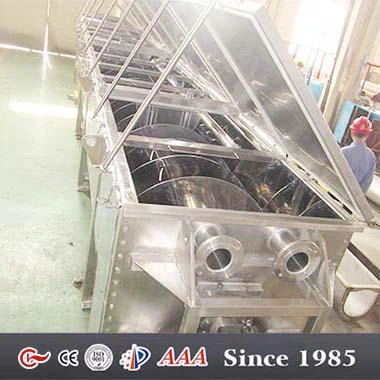
The Conveyor Screw Coffee Screw Ribbon Mixer for Coffee System is a specialized mixer used in the coffee industry. It's designed to blend coffee beans evenly, and its stable base ensures that it can operate without any disruptions during the mixing process. Depending on its size and features, this type of mixer can cost between $1500 and $5000.
Another type is the Sludge Mixer Mixing Screw Conveyors. These are used in wastewater treatment plants and other industrial settings where they need to mix thick sludge. Due to the harsh environment and the heavy - duty nature of the work, these mixers are built tough. They usually come with a stable base to handle the weight and the movement of the sludge. The price for a sludge mixer can range from $3000 to $10,000 or more, depending on the capacity and the complexity of the design.
It's important to note that these are just rough estimates. The actual price can vary based on the brand, the location of purchase, and any additional customizations you might need. For example, if you need a mixer with a specific color or a unique shape to fit into a particular workspace, that could add to the cost.
When you're shopping for a mixer with a stable base, it's not just about the price. You need to consider the long - term value. A cheaper mixer might save you money upfront, but if it breaks down frequently or doesn't perform well, you'll end up spending more on repairs and replacements in the long run. On the other hand, a high - end mixer can offer better performance, durability, and efficiency, which can translate into cost savings over time.
So, if you're in the market for a mixer with a stable base, I'd be more than happy to help. As a mixer price supplier, I've got a wide range of options to suit different budgets and requirements. Whether you're a small - business owner, a home enthusiast, or an industrial giant, I can find the right mixer for you. Just reach out for a detailed quote and we can start discussing the best solution for your needs.

In conclusion, the cost of a mixer with a stable base can vary widely depending on multiple factors. But with the right information and a bit of research, you can find a mixer that meets your needs and fits your budget. Don't hesitate to contact me to start the procurement process and get the best deal on a high - quality mixer.
References:
Industry - standard price evaluations from mixer manufacturers
Market research on different types of mixers and their price ranges
Internal data from my experience as a mixer price supplier