

Hey there! As a supplier of drag conveyors, I often get asked about how to design a drag conveyor for vertical conveying. It's a tricky topic, but I'm here to break it down for you in a simple and easy-to-understand way.
First things first, let's understand what a drag conveyor is. A drag conveyor is a type of conveyor system that uses a chain or belt with attached flights or paddles to move materials along a trough. It's a popular choice for handling bulk materials like grains, powders, and aggregates because it's reliable, efficient, and can handle a wide range of materials.
When it comes to vertical conveying, there are a few key factors you need to consider to design an effective drag conveyor. Let's take a look at each of these factors in more detail.
1. Material Characteristics
The first thing you need to consider is the characteristics of the material you're going to be conveying. This includes things like the density, particle size, shape, and flowability of the material. For example, if you're conveying a fine powder, you'll need a conveyor with a smaller flight spacing to prevent the material from sifting through the flights. On the other hand, if you're conveying large, heavy chunks of material, you'll need a conveyor with a stronger chain and larger flights to handle the weight.
2. Conveyor Capacity
The next factor to consider is the capacity of the conveyor. This refers to the amount of material the conveyor can handle in a given period of time. To determine the required capacity, you need to know the throughput rate of the process you're feeding the conveyor from, as well as the desired rate of delivery to the destination. Make sure to factor in any potential future growth or changes in your production volume when calculating the capacity.
3. Vertical Height
The vertical height that the conveyor needs to lift the material is another important consideration. The higher the vertical lift, the more power the conveyor will need to operate. You'll also need to ensure that the chain or belt is strong enough to handle the weight of the material at the maximum vertical height. Additionally, you may need to use special features like intermediate take-ups or tensioners to keep the chain or belt properly tensioned as it moves up and down the vertical section.
4. Conveyor Speed
The speed of the conveyor also plays a crucial role in the design. A faster conveyor speed can increase the capacity, but it may also cause the material to spill or become damaged. On the other hand, a slower speed may reduce the capacity but can provide a more gentle handling of the material. You'll need to find the right balance between speed and capacity based on the characteristics of the material and the requirements of your process.

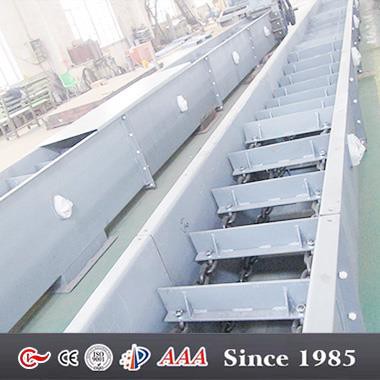
5. Trough Design
The design of the trough is also important for vertical conveying. The trough should be smooth and free of any obstructions to allow the material to flow easily. You may also need to use special liners or coatings on the trough to reduce friction and prevent the material from sticking. Additionally, the trough should be designed to prevent the material from backflowing or falling out during the vertical lift.
6. Chain or Belt Selection
The choice of chain or belt is critical for the performance of the drag conveyor. You'll need to select a chain or belt that is strong enough to handle the weight of the material and the tension required for vertical conveying. Consider factors like the pitch, strength, and corrosion resistance of the chain or belt. You may also need to use special attachments or flights on the chain or belt to improve the material handling efficiency.
7. Drive System
The drive system of the conveyor is responsible for providing the power to move the chain or belt. For vertical conveying, you'll need a drive system that can handle the additional load and provide the necessary torque to lift the material. You may need to choose a more powerful motor or use a gearbox to increase the torque output. Additionally, make sure the drive system is properly aligned and maintained to ensure smooth operation.
8. Safety Features
Safety is always a top priority when designing any conveyor system. When it comes to vertical conveying, there are additional safety considerations. For example, you'll need to install guards and barriers around the conveyor to prevent access to moving parts. You may also need to use emergency stop buttons and safety interlocks to ensure that the conveyor can be stopped quickly in case of an emergency.
Now that we've covered the key factors to consider when designing a drag conveyor for vertical conveying, let's talk about some tips and best practices to help you get the most out of your design.
Tips and Best Practices
- Use a simulation software: Before building the conveyor, it's a good idea to use a simulation software to model the material flow and the performance of the conveyor. This can help you identify any potential issues and optimize the design before investing in the actual equipment.
- Test the conveyor: Once the conveyor is built, it's important to test it thoroughly to ensure that it meets your requirements. Conduct test runs with the actual material to check the capacity, speed, and reliability of the conveyor. Make any necessary adjustments based on the test results.
- Maintain the conveyor: Regular maintenance is essential to keep the drag conveyor running smoothly. This includes lubricating the chain or belt, checking the tension, and inspecting the trough and other components for wear and damage. Follow the manufacturer's recommended maintenance schedule to ensure the longevity of the conveyor.
- Consider the environment: The environment in which the conveyor will operate can also affect its performance. For example, if the conveyor is used in a dusty or corrosive environment, you'll need to take additional measures to protect the components. Use dust collectors or enclosures to prevent dust from entering the conveyor, and choose corrosion-resistant materials for the chain, belt, and trough.
If you're in the market for a drag conveyor for vertical conveying, we've got you covered. Our company offers a wide range of high-quality drag conveyors that are designed to meet the specific needs of your application. Whether you're handling grains, powders, or aggregates, we have the expertise and experience to provide you with the right solution.
Check out our Grain Drag Conveyor Drag Chain Conveyor for more information on our products. If you have any questions or need help with your conveyor design, don't hesitate to contact us. We're here to help you every step of the way.
References
- Conveyor Equipment Manufacturers Association (CEMA) Handbook
- Material Handling Handbook
- Drag Conveyor Design Manuals from industry leaders