

As a seasoned supplier of drag conveyors, I've witnessed firsthand the challenges that excessive noise can pose in industrial settings. A noisy drag conveyor not only disrupts the working environment but can also indicate underlying issues that may affect its performance and longevity. In this blog, I'll share some effective strategies to reduce the noise of a drag conveyor, ensuring a quieter and more efficient operation.
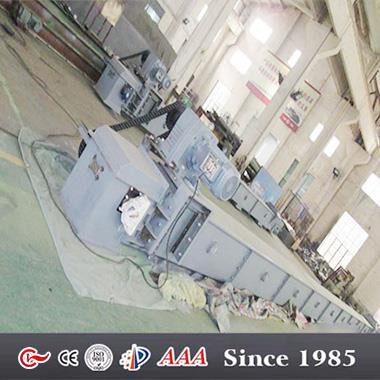
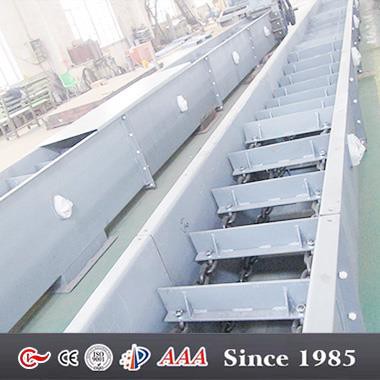
Understanding the Sources of Noise in Drag Conveyors
Before we delve into the solutions, it's crucial to understand where the noise in drag conveyors comes from. The primary sources of noise typically include:
- Chain and Sprocket Interaction: The continuous engagement and disengagement of the chain with the sprockets can generate significant noise, especially if the chain is not properly tensioned or if the sprockets are worn.
- Material Impact: When materials are loaded onto the conveyor or collide with the sides of the trough, it can create a loud banging noise.
- Bearing Friction: Worn or improperly lubricated bearings can produce a high - pitched screeching or grinding noise.
- Structural Vibration: The conveyor structure itself can vibrate due to unbalanced loads or improper installation, leading to additional noise.
Strategies to Reduce Noise
1. Optimize Chain and Sprocket Design and Maintenance
- Proper Chain Selection: Choose a high - quality chain with the appropriate pitch and strength for your application. Chains with low - noise designs, such as those with special coatings or bushings, can significantly reduce noise levels.
- Correct Chain Tension: Ensure that the chain is properly tensioned. An overly loose chain can cause excessive movement and noise, while an overly tight chain can increase wear and stress on the sprockets and other components. Regularly check and adjust the chain tension according to the manufacturer's recommendations.
- Sprocket Inspection and Replacement: Inspect the sprockets regularly for signs of wear, such as tooth damage or uneven wear patterns. Replace worn sprockets promptly to maintain smooth chain operation and reduce noise.
2. Minimize Material Impact
- Proper Loading Design: Design the loading system to minimize the impact of materials on the conveyor. This can include using chutes or hoppers with gentle slopes or incorporating buffers at the loading point to absorb the energy of the falling materials.
- Trough Liners: Install trough liners made of noise - absorbing materials, such as rubber or polyurethane. These liners can cushion the impact of the materials and reduce the noise generated during the conveying process.
3. Maintain Bearings
- Lubrication: Regularly lubricate the bearings according to the manufacturer's guidelines. Proper lubrication reduces friction and wear, which in turn reduces noise. Use high - quality lubricants suitable for the operating conditions of the conveyor.
- Bearing Replacement: Replace worn or damaged bearings immediately. A faulty bearing can not only generate excessive noise but also lead to premature failure of other components.
4. Address Structural Vibration
- Proper Installation: Ensure that the drag conveyor is installed on a stable and level foundation. Use vibration - isolating mounts or pads to reduce the transmission of vibrations from the conveyor to the surrounding structure.
- Load Balancing: Distribute the load evenly on the conveyor to prevent unbalanced forces that can cause vibration. This may require adjusting the loading pattern or using additional support structures.
5. Enclosures and Sound - Absorbing Materials
- Conveyor Enclosures: Install enclosures around the drag conveyor to contain the noise. These enclosures can be made of sound - insulating materials, such as acoustic panels, to reduce the noise level in the surrounding area.
- Sound - Absorbing Linings: Line the inside of the trough or the enclosure with sound - absorbing materials. These materials can absorb and dampen the noise generated by the conveyor components and the movement of materials.
The Role of Technology in Noise Reduction
Advancements in technology have also provided new ways to reduce the noise of drag conveyors. For example, some modern drag conveyors are equipped with variable frequency drives (VFDs). VFDs allow for precise control of the conveyor speed, which can help optimize the operation and reduce noise. By adjusting the speed according to the load and the conveying requirements, the conveyor can operate more smoothly and quietly.
Another technological solution is the use of condition monitoring systems. These systems can continuously monitor the performance of the conveyor, including parameters such as vibration, temperature, and noise levels. By detecting early signs of problems, maintenance can be scheduled proactively, preventing excessive noise and potential breakdowns.
Conclusion
Reducing the noise of a drag conveyor is essential for creating a more comfortable and productive working environment. By understanding the sources of noise and implementing the strategies outlined above, such as optimizing chain and sprocket design, minimizing material impact, maintaining bearings, addressing structural vibration, and using enclosures and sound - absorbing materials, you can significantly reduce the noise levels of your drag conveyor.
As a drag conveyor supplier, I'm committed to providing high - quality products and solutions that meet the diverse needs of our customers. If you're interested in learning more about our Grain Drag Conveyor Drag Chain Conveyor or need assistance in reducing the noise of your existing conveyor, please don't hesitate to contact us for a detailed discussion and procurement negotiation.
References
- Conveyor Equipment Manufacturers Association (CEMA). Conveyor Handbook.
- Machinery's Handbook, 31st Edition.