

Hey there! As a supplier of China Mixers, I often get asked about the cost of these mixers. Well, the price of a China Mixer can vary quite a bit, and in this blog, I'll break down the factors that influence the cost and give you a rough idea of what you might expect to pay.
Factors Affecting the Cost of China Mixers
1. Type of Mixer
There are various types of mixers available in the market, and each comes with its own price tag. For instance, a simple paddle mixer is usually less expensive compared to a high - tech planetary mixer.
- Paddle Mixers: These are basic mixers that use paddles to stir and blend materials. They are commonly used in small - scale industries or for simple mixing tasks. Paddle mixers are relatively affordable, and you can find some basic models starting from around $500.
- Planetary Mixers: Planetary mixers are more complex. They have a unique mixing action where the mixing tool rotates on its own axis while also orbiting around the mixing bowl. They are often used in bakeries, confectioneries, and other industries where a high - quality, thorough mix is required. Planetary mixers can cost anywhere from $2,000 to $10,000 or more, depending on their size and features.
If you're interested in a specific type of mixer, you can check out Sludge Mixer Mixing Screw Conveyors or Conveyor Screw Coffee Screw Ribbon Mixer for Coffee System for more details.
2. Size and Capacity
The size and capacity of the mixer play a significant role in determining its cost. Larger mixers with higher capacities generally cost more than smaller ones.
- Small - scale Mixers: These are suitable for home use, small businesses, or laboratories. They typically have a capacity of a few liters and can cost between $100 and $1,000. For example, a small - capacity food mixer for home baking might cost around $200.
- Medium - scale Mixers: Medium - scale mixers are used in medium - sized industries and can handle larger volumes. They usually have a capacity ranging from 10 to 100 liters and can cost between $1,000 and $5,000.
- Large - scale Mixers: Large - scale mixers are designed for industrial use and can have capacities of several hundred liters or more. These mixers are often custom - built and can cost upwards of $10,000.
3. Material and Build Quality
The materials used in the construction of the mixer and its build quality also impact the price.
- Low - quality Materials: Mixers made from low - quality materials such as thin - gauge steel or cheap plastics are generally less expensive. However, they may not be as durable and may require more frequent maintenance or replacement. You can find some budget - friendly mixers made from such materials for as little as a few hundred dollars.
- High - quality Materials: Mixers made from high - grade stainless steel, heavy - duty alloys, or other premium materials are more expensive. They are more durable, resistant to corrosion, and can withstand heavy use. High - quality mixers can cost several thousand dollars, but they offer better performance and a longer lifespan.
4. Features and Technology
The features and technology incorporated into the mixer can significantly affect its cost.
- Basic Features: Mixers with basic features such as simple speed controls and manual operation are usually more affordable. These are suitable for applications where a straightforward mixing process is required.
- Advanced Features: Mixers with advanced features like variable speed settings, digital controls, automatic timers, and multiple mixing functions are more expensive. For example, a mixer with a touch - screen control panel and pre - programmed mixing cycles can cost 20 - 30% more than a basic model.
Price Ranges for Different Types of China Mixers
Food Mixers
- Home - use Food Mixers: These are small, lightweight mixers designed for home baking and cooking. They usually have a single - speed or a few speed settings and can cost between $50 and $300.
- Commercial Food Mixers: Commercial food mixers are more powerful and durable. They are used in restaurants, bakeries, and catering businesses. Depending on their size and features, commercial food mixers can cost between $1,000 and $10,000.
Industrial Mixers
- Chemical Mixers: Chemical mixers are used in the chemical industry to mix various chemicals and substances. They need to be made from materials that are resistant to corrosion and can handle high - pressure and high - temperature conditions. Chemical mixers can cost anywhere from $5,000 to $50,000 or more, depending on their size and complexity.
- Construction Mixers: Construction mixers are used to mix concrete, mortar, and other construction materials. They come in different sizes and capacities, and their prices can range from $1,000 to $20,000.
Why Choose China Mixers?
China has become a leading manufacturer of mixers in recent years, and there are several reasons why you might want to consider a China Mixer.
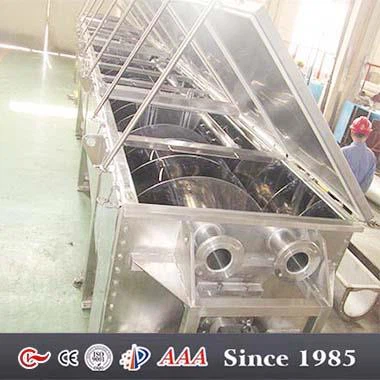

- Cost - effectiveness: China Mixers are generally more affordable compared to mixers from other countries. This is due to lower production costs and economies of scale in the Chinese manufacturing industry.
- Quality and Innovation: Chinese manufacturers have made significant improvements in the quality and technology of their mixers. Many China Mixers are now on par with or even better than mixers from other countries in terms of performance and reliability.
- Wide Range of Options: There is a wide range of mixers available from Chinese suppliers, catering to different industries and applications. Whether you need a small - scale food mixer or a large - scale industrial mixer, you can find a suitable option in the Chinese market.
Contact for Purchase and Negotiation
If you're interested in purchasing a China Mixer, I'd be more than happy to help you find the right one for your needs. We can discuss your specific requirements, such as the type of mixer, size, capacity, and features you need. I can also provide you with detailed product information, pricing, and any other assistance you might need. Just reach out, and we can start the negotiation process to get you the best deal possible.
References
- Industry reports on mixer manufacturing and pricing trends.
- Interviews with mixer manufacturers and industry experts.