

When it comes to the world of industrial material handling, drag conveyors stand out as reliable workhorses. As a supplier of drag conveyors, I've had numerous discussions with clients about the cost of these essential pieces of equipment. Understanding the cost of a drag conveyor is not as straightforward as it might seem, as it involves multiple factors that can significantly influence the final price.
Factors Influencing the Cost of a Drag Conveyor
1. Size and Capacity
One of the primary factors affecting the cost of a drag conveyor is its size and capacity. Larger conveyors with higher capacities generally cost more. This is because they require more materials for construction, including a larger frame, longer chains, and more substantial drive systems. For example, a small drag conveyor designed to handle a few tons of material per hour will be significantly less expensive than a large - scale conveyor capable of moving hundreds of tons per hour. The length of the conveyor also plays a crucial role. A longer conveyor will need more components and more power to operate, which adds to the overall cost.
2. Material of Construction
The choice of material for the conveyor's construction is another significant cost determinant. Drag conveyors can be made from a variety of materials, such as mild steel, stainless steel, and high - alloy steels. Mild steel is the most economical option, suitable for applications where the material being conveyed is not corrosive and the operating environment is relatively clean. Stainless steel, on the other hand, is more expensive but offers excellent corrosion resistance, making it ideal for industries such as food processing, chemical, and pharmaceuticals. High - alloy steels are used in applications where extreme wear resistance is required, like in mining or heavy - duty manufacturing, and they come with a premium price tag.
3. Design Complexity
The complexity of the conveyor's design can also drive up the cost. Simple, straight - run drag conveyors are generally less expensive than those with complex configurations. For instance, a conveyor with multiple inlets and outlets, or one that needs to make sharp turns or change elevation, will require more engineering and custom design work. Special features such as enclosed troughs for dust - free operation, adjustable speed drives, or automated controls also add to the complexity and cost of the conveyor.
4. Operating Conditions
The operating conditions in which the drag conveyor will be used can impact its cost. Conveyors used in harsh environments, such as those with high temperatures, high humidity, or abrasive materials, need to be built to withstand these conditions. This may involve using special coatings, heat - resistant materials, or additional protection for the drive system and chain components. For example, a drag conveyor used in a foundry where it is exposed to high - temperature molten metal splashes will require a more robust and heat - resistant design, increasing the overall cost.
Cost Breakdown of a Drag Conveyor
- Materials Cost: As mentioned earlier, the cost of materials can vary widely depending on the type of material used. For a standard mild - steel drag conveyor, the material cost may account for 30% - 40% of the total cost. Stainless - steel conveyors can have a material cost that is 50% - 70% of the total cost due to the higher price of stainless steel. The cost of the chain, flight bars, and other components also contributes to the materials cost.
- Labor Cost: Labor cost includes the cost of manufacturing, assembly, and installation of the drag conveyor. Skilled labor is required to fabricate the conveyor components accurately and assemble them correctly. The cost of labor can be influenced by factors such as the complexity of the design and the location of the manufacturing facility. In some regions, labor costs may be relatively high, which can increase the overall cost of the conveyor. Labor cost typically accounts for 20% - 30% of the total cost.
- Engineering and Design Cost: For custom - designed drag conveyors, engineering and design costs can be significant. Engineers need to consider factors such as the material being conveyed, the operating conditions, and the required capacity when designing the conveyor. The cost of engineering and design may range from 10% - 20% of the total cost, depending on the complexity of the project.
- Drive System Cost: The drive system is an essential part of the drag conveyor, responsible for powering the chain and moving the material. The cost of the drive system depends on its size, type, and power requirements. A simple belt - driven system may be less expensive than a more complex gear - driven or variable - frequency drive system. The drive system cost can account for 15% - 25% of the total cost.
Cost Comparison with Other Conveyor Types
When considering the cost of a drag conveyor, it's useful to compare it with other types of conveyors. Belt conveyors are one of the most common alternatives. Belt conveyors are generally less expensive to purchase initially, especially for simple, low - capacity applications. However, they may require more maintenance over time, such as belt replacement and tracking adjustments. Screw conveyors are another option, which are relatively inexpensive for small - scale applications. But they have limitations in terms of the material they can handle and the distance they can convey.
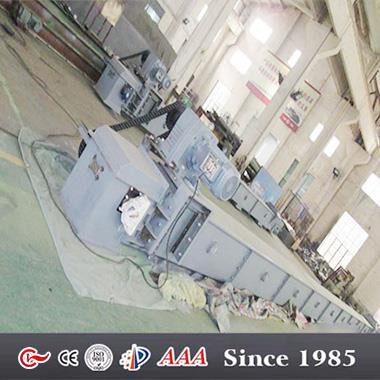
Drag conveyors, on the other hand, offer several advantages that justify their cost in many applications. They are suitable for a wide range of materials, including powders, granules, and even large chunks. They can operate horizontally, vertically, or at an incline, and they have a relatively low maintenance requirement compared to some other conveyor types. For industries that require reliable, long - term material handling solutions, the cost of a drag conveyor can be a worthwhile investment.

Cost - Saving Strategies
As a drag conveyor supplier, I often advise my clients on cost - saving strategies. One way to reduce the cost is to optimize the conveyor design. By carefully analyzing the material flow requirements and operating conditions, we can design a conveyor that meets the needs without over - engineering. For example, if the material can be conveyed at a lower speed, a smaller drive system can be used, reducing the cost.
Another cost - saving strategy is to choose the right material of construction. Instead of immediately opting for the most expensive materials, we can evaluate if a less costly alternative can still meet the performance requirements. For instance, in some applications, a mild - steel conveyor with a protective coating may be sufficient instead of a stainless - steel conveyor.
Regular maintenance is also crucial for cost - effectiveness. By performing routine maintenance, such as lubrication, chain tension adjustment, and component inspection, we can extend the lifespan of the conveyor and reduce the need for costly repairs or replacements.
Conclusion
In conclusion, the cost of a drag conveyor is influenced by multiple factors, including size, material of construction, design complexity, and operating conditions. While the initial investment in a drag conveyor may be higher than some other conveyor types, its long - term reliability and performance can make it a cost - effective solution for many industries. If you are in the market for a drag conveyor, it's important to work with a reputable supplier who can help you understand your specific needs and design a conveyor that offers the best value for your money.
If you are interested in learning more about our Grain Drag Conveyor Drag Chain Conveyor or other drag conveyor products, please feel free to contact us to start a discussion about your requirements. We are committed to providing high - quality, cost - effective solutions for your material handling needs.
References
- Conveyor Equipment Manufacturers Association (CEMA). Conveyor Design Manual.
- ASME Standards for Mechanical Power Transmission.
- Industrial Handbook on Material Handling Equipment.