

The conveying efficiency of a drag conveyor is a crucial factor that determines its performance and suitability for various industrial applications. As a supplier of drag conveyors, understanding and optimizing this efficiency is not only essential for meeting customer needs but also for ensuring the long - term success of our products in the market.
1. Definition and Basics of Drag Conveyor Conveying Efficiency
Conveying efficiency refers to the ability of a drag conveyor to move materials from one point to another in a timely, reliable, and energy - efficient manner. It is typically measured by the ratio of the actual amount of material conveyed within a specific time period to the maximum possible amount that the conveyor could theoretically carry.
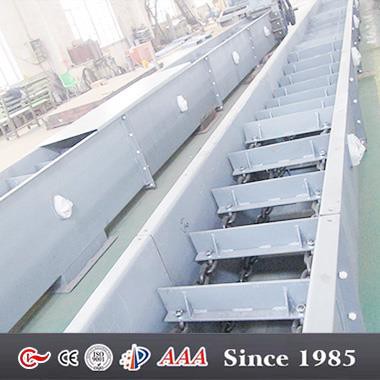
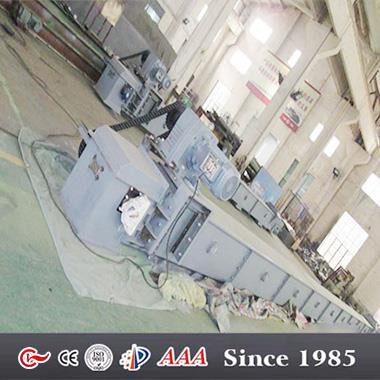
Drag conveyors operate on the principle of using a chain or belt with attached flights to drag materials along a trough. The movement of the chain or belt is powered by a motor, and the flights push the material forward. The efficiency of this process depends on several factors, including the design of the conveyor, the properties of the material being conveyed, and the operating conditions.
2. Factors Affecting Conveying Efficiency
2.1 Conveyor Design
- Trough Shape and Size: The shape and size of the trough play a significant role in determining the conveying efficiency. A well - designed trough should provide enough space for the material to flow smoothly without excessive friction. For example, a U - shaped trough is often preferred for its ability to contain the material effectively and reduce spillage. The width and depth of the trough also need to be carefully selected based on the volume and characteristics of the material.
- Flight Design: The design of the flights, which are the components that push the material, is crucial. The shape, size, and spacing of the flights can affect how well the material is moved along the trough. Flights that are too small or too widely spaced may not be able to move the material efficiently, while flights that are too large or too closely spaced can cause excessive friction and increase energy consumption.
- Chain or Belt Type: The type of chain or belt used in the drag conveyor can impact its efficiency. Chains with proper link design and smooth operation can minimize power loss due to friction. Similarly, belts with good traction and flexibility can ensure reliable movement of the flights and the material.
2.2 Material Properties
- Bulk Density: The bulk density of the material being conveyed affects the amount of material that can be carried per unit length of the conveyor. Materials with higher bulk density require more power to move, but they also allow for a greater mass of material to be transported in a given time.
- Particle Size and Shape: The particle size and shape of the material can influence its flowability. Fine - grained materials may tend to stick together, causing blockages and reducing efficiency. Irregularly shaped particles can also increase friction and make it more difficult for the material to move smoothly along the trough.
- Moisture Content: High moisture content in the material can make it sticky and increase the resistance to flow. This can lead to clogging of the conveyor and a decrease in conveying efficiency. On the other hand, very dry materials may generate dust, which can also cause problems for the conveyor and the working environment.
2.3 Operating Conditions
- Speed: The operating speed of the drag conveyor is a critical factor. A higher speed can increase the throughput, but it also requires more power and may cause more wear and tear on the conveyor components. If the speed is too high, the material may not be able to keep up with the movement of the flights, resulting in spillage and reduced efficiency.
- Loading Rate: The rate at which the material is loaded onto the conveyor can affect its efficiency. Overloading the conveyor can cause blockages and increase the power consumption, while under - loading can result in inefficient use of the conveyor's capacity.
- Temperature and Environment: Extreme temperatures and harsh environmental conditions can have an impact on the performance of the drag conveyor. High temperatures can cause the chain or belt to expand, affecting its tension and operation. Corrosive environments can damage the conveyor components, leading to reduced efficiency and increased maintenance requirements.
3. Measuring Conveying Efficiency
To accurately measure the conveying efficiency of a drag conveyor, several methods can be used:
3.1 Throughput Measurement
The throughput of the conveyor, which is the amount of material conveyed per unit time, can be measured using weighing systems or flow meters. By comparing the actual throughput with the design capacity of the conveyor, the efficiency can be calculated. For example, if a conveyor is designed to carry 10 tons of material per hour but is only carrying 8 tons per hour, the conveying efficiency is 80%.
3.2 Power Consumption Analysis
Monitoring the power consumption of the conveyor motor can also provide insights into the conveying efficiency. An increase in power consumption without a corresponding increase in throughput may indicate a decrease in efficiency, such as due to excessive friction or blockages. By analyzing the power consumption data over time, adjustments can be made to optimize the conveyor's operation.
3.3 Material Loss and Spillage Monitoring
Measuring the amount of material lost or spilled during the conveying process is another way to assess efficiency. High levels of material loss can indicate problems with the conveyor design or operation, such as improper flight design or excessive speed. By minimizing material loss, the overall efficiency of the conveyor can be improved.
4. Improving Conveying Efficiency
As a drag conveyor supplier, we are committed to helping our customers improve the conveying efficiency of their systems. Here are some strategies we recommend:

4.1 Optimize Conveyor Design
- Customized Design: Based on the specific properties of the material and the application requirements, we can design a drag conveyor with the most suitable trough shape, flight design, and chain or belt type. For example, for conveying granular materials, a conveyor with a specific flight pitch and shape can be designed to ensure smooth and efficient movement.
- Regular Maintenance: Ensuring that the conveyor is properly maintained is essential for optimal efficiency. This includes regular inspection and lubrication of the chain or belt, checking the alignment of the flights, and replacing worn - out components in a timely manner.
4.2 Manage Material Properties
- Pre - treatment of Materials: If the material has poor flowability due to high moisture content or irregular particle shape, pre - treatment processes such as drying or screening can be used to improve its properties. This can reduce the resistance to flow and increase the conveying efficiency.
- Proper Loading: Educating customers on the proper loading rate and method can help prevent overloading or under - loading of the conveyor. Using a controlled feeding system can ensure a consistent and appropriate amount of material is fed onto the conveyor.
4.3 Adjust Operating Conditions
- Speed Optimization: By finding the optimal operating speed for the conveyor, a balance can be achieved between throughput and power consumption. This may require some experimentation and monitoring of the conveyor's performance under different speed settings.
- Environmental Control: In harsh environments, measures can be taken to protect the conveyor from temperature extremes and corrosive substances. This can include installing insulation, using corrosion - resistant materials, or providing a sheltered operating environment.
5. Application of Drag Conveyors and Efficiency Considerations
Drag conveyors are widely used in various industries, such as agriculture, mining, food processing, and chemical manufacturing. Each industry has its own specific requirements and challenges when it comes to conveying efficiency.
In the agricultural industry, Grain Drag Conveyor Drag Chain Conveyor are commonly used to transport grains. The efficiency of these conveyors is crucial for ensuring timely harvesting and storage of grains. Factors such as the moisture content of the grains and the need to prevent grain damage during conveying need to be considered.

In the mining industry, drag conveyors are used to transport ore and other materials. The large volume and high density of the materials require conveyors with high - capacity and robust design. Efficiency is often measured in terms of the ability to move large amounts of material over long distances with minimal power consumption.
6. Conclusion
The conveying efficiency of a drag conveyor is a complex but important concept that is influenced by multiple factors. As a drag conveyor supplier, we understand the importance of optimizing this efficiency to meet the diverse needs of our customers. By providing customized conveyor designs, offering solutions for material management, and helping customers adjust operating conditions, we can ensure that our drag conveyors deliver high - performance and reliable operation.
If you are interested in learning more about our drag conveyors or need assistance in improving the conveying efficiency of your existing system, we invite you to contact us for a detailed discussion and procurement negotiation. Our team of experts is ready to provide you with the best solutions tailored to your specific requirements.
References
- Conveyor Equipment Manufacturers Association (CEMA). Conveyor Handbook.
- Perry, R. H., & Green, D. W. (Eds.). Perry's Chemical Engineers' Handbook.
- ASME B29.1 Standard for Roller Chains and Sprockets.