

As a leading screw feeders supplier, I often encounter inquiries regarding the food - grade requirements for screw feeders. In the food industry, safety and quality are of utmost importance, and screw feeders play a crucial role in the material handling process. This blog will delve into the key food - grade requirements for screw feeders and explain why compliance is essential.
Material Selection
One of the primary aspects of food - grade screw feeders is the choice of materials. The components that come into contact with food products must be made from materials that are non - toxic, corrosion - resistant, and easy to clean.
Stainless steel is the most commonly used material for food - grade screw feeders. It offers excellent corrosion resistance, which is vital as many food products may have acidic or alkaline properties. For example, fruits juices are often acidic, and if the screw feeder is made of a material that corrodes easily, it can contaminate the food. Stainless steel grades such as 304 and 316 are popular choices. Grade 304 is a general - purpose stainless steel, while 316 contains molybdenum, which provides enhanced corrosion resistance, making it suitable for more aggressive food products or environments with high humidity.
Plastic components can also be used in food - grade screw feeders, but they must meet strict regulatory standards. Materials like polyethylene (PE) and polypropylene (PP) are commonly used due to their non - toxicity and chemical resistance. These plastics are often used for parts such as hopper liners or gaskets.
Surface Finish
The surface finish of the screw feeder is another critical factor. A smooth surface finish is required to prevent the accumulation of food particles, bacteria, and other contaminants. Rough surfaces can trap food residues, which can lead to the growth of microorganisms and spoilage of the food product.
For stainless steel components, a polished finish is typically preferred. A mirror - like finish not only makes it easier to clean but also reduces the risk of corrosion. The surface roughness should be within a specific range, usually measured in Ra (arithmetical mean deviation of the roughness profile). For food - grade applications, an Ra value of 0.8 - 1.6 micrometers is often recommended.
Hygienic Design
Hygienic design is essential for food - grade screw feeders. The feeder should be designed in a way that eliminates dead spaces where food can accumulate. Dead spaces can be areas where the flow of material is restricted, such as corners or crevices.
The screw design is an important part of hygienic design. A self - cleaning screw design can help prevent material build - up. For example, a screw with a continuous helix and a smooth surface can ensure that the material moves smoothly through the feeder without getting stuck.
The hopper of the screw feeder should also be designed with hygiene in mind. It should have a sloped bottom to ensure complete discharge of the material. Additionally, the hopper should be easy to access for cleaning and inspection.
Sealing and Gaskets
Proper sealing is crucial to prevent the ingress of contaminants such as dust, dirt, and moisture into the food product. Gaskets and seals used in the screw feeder must be made from food - grade materials.
Silicone gaskets are a popular choice for food - grade applications. They are flexible, have good chemical resistance, and are non - toxic. The seals should be designed to provide a tight fit and prevent any leakage. For example, in a twin - screw feeder, the seals between the screws and the housing are critical to prevent cross - contamination.
Compliance with Regulations
Food - grade screw feeders must comply with various national and international regulations. In the United States, the Food and Drug Administration (FDA) sets strict standards for food - contact materials. These standards cover everything from the materials used to the manufacturing processes.
In the European Union, the European Food Safety Authority (EFSA) and the EU regulations govern food - grade equipment. Compliance with these regulations is not only a legal requirement but also a way to ensure the safety and quality of the food product.
Testing and Certification
To ensure that the screw feeders meet the food - grade requirements, they must undergo rigorous testing. This includes testing for chemical composition, surface finish, and microbiological contamination.
Certification from recognized organizations can provide assurance to customers. Certifications such as NSF (National Sanitation Foundation) certification are highly regarded in the food industry. NSF certification indicates that the product has been tested and meets the relevant food - safety standards.
Our Offerings
As a screw feeders supplier, we understand the importance of meeting food - grade requirements. We offer a wide range of screw feeders that are designed and manufactured to meet the strictest food - safety standards.
Our Small Auger Feeders Screw Feeders are ideal for small - scale food production. They are made from high - quality stainless steel and have a smooth surface finish, ensuring easy cleaning and preventing contamination.
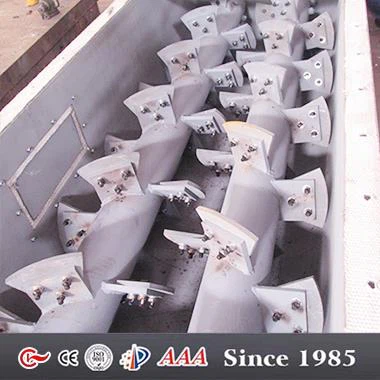
For larger - scale operations, our Twin Screw Feeder Feed Conveyor System provides a reliable and efficient solution. The twin - screw design offers better control over the material flow, and the hygienic design ensures that the food product remains safe and uncontaminated.
Why Choose Us
When it comes to food - grade screw feeders, choosing the right supplier is crucial. We have years of experience in the industry and a team of experts who are dedicated to providing high - quality products.

We use the latest manufacturing techniques and materials to ensure that our screw feeders meet the highest food - safety standards. Our products are also backed by excellent customer service, and we are always available to provide technical support and assistance.
Contact Us for Procurement
If you are in the market for food - grade screw feeders, we invite you to contact us for procurement. Our team will be happy to discuss your specific requirements and provide you with a customized solution. We understand the unique needs of the food industry and are committed to helping you ensure the safety and quality of your food products.
References
- FDA (Food and Drug Administration). "Food Contact Substances Notification Program".
- EFSA (European Food Safety Authority). "Scientific opinions on food - contact materials".
- NSF International. "Standards for food - equipment safety".