

As a supplier of mass conveyors, I am often asked about the corrosion - resistance features of these essential pieces of equipment. In the world of bulk material handling, corrosion can pose a significant threat to the longevity and efficiency of conveyors. Understanding the corrosion - resistance features of mass conveyors is crucial for both our customers and us as suppliers.
The Importance of Corrosion Resistance in Mass Conveyors
Mass conveyors are used to transport a wide variety of bulk materials, such as grains, minerals, and chemicals. These materials can be abrasive, acidic, or alkaline, and over time, they can cause corrosion to the conveyor components. Corrosion not only weakens the structure of the conveyor but also leads to increased maintenance costs, downtime, and potential safety hazards.
For example, in the food processing industry, mass conveyors are used to transport food products. Any corrosion on the conveyor can contaminate the food, leading to product recalls and damage to the company's reputation. In the mining industry, conveyors are exposed to harsh chemicals and abrasive materials, which can quickly corrode the conveyor belts and frames if they are not properly protected.
Material Selection for Corrosion Resistance
One of the primary ways to ensure corrosion resistance in mass conveyors is through the selection of appropriate materials. At our company, we offer mass conveyors made from a variety of corrosion - resistant materials.
Stainless Steel
Stainless steel is a popular choice for mass conveyors due to its excellent corrosion resistance. It contains chromium, which forms a passive oxide layer on the surface of the steel, protecting it from rust and other forms of corrosion. Different grades of stainless steel are available, each with varying levels of corrosion resistance and mechanical properties. For example, 304 stainless steel is commonly used in general - purpose applications, while 316 stainless steel, which contains molybdenum, offers enhanced corrosion resistance in more aggressive environments, such as those with exposure to saltwater or certain chemicals.

Aluminum
Aluminum is another lightweight and corrosion - resistant material used in mass conveyors. It forms a thin oxide layer on its surface, which provides protection against corrosion. Aluminum is also relatively easy to fabricate, making it a cost - effective option for some applications. However, it may not be suitable for highly acidic or alkaline environments, as these can break down the oxide layer and cause corrosion.
Plastic
Plastic materials, such as polyethylene and polypropylene, are often used for conveyor components that require high corrosion resistance. These plastics are resistant to a wide range of chemicals and can be molded into various shapes. They are also lightweight and have low friction coefficients, which can reduce energy consumption during operation. However, they may have lower mechanical strength compared to metals, so they are typically used for non - structural components or in applications where the loads are relatively light.
Surface Treatments
In addition to using corrosion - resistant materials, surface treatments can further enhance the corrosion resistance of mass conveyors.
Galvanizing
Galvanizing is a process in which a layer of zinc is applied to the surface of steel or iron components. Zinc acts as a sacrificial anode, corroding in place of the underlying metal. This provides long - term protection against rust and corrosion, especially in outdoor or humid environments. Galvanized conveyors are commonly used in applications such as agriculture and construction, where they are exposed to the elements.
Powder Coating
Powder coating is a dry finishing process in which a fine powder is electrostatically applied to the surface of the conveyor components and then cured under heat. The powder forms a durable, protective coating that can resist corrosion, abrasion, and chemicals. Powder coating can be customized in terms of color and texture, allowing for both functional and aesthetic benefits.
Passivation
Passivation is a chemical treatment used primarily on stainless steel components. It removes free iron and other contaminants from the surface of the stainless steel, enhancing the formation of the passive oxide layer. This process improves the corrosion resistance of the stainless steel and helps to maintain its appearance over time.
Design Considerations for Corrosion Resistance
The design of a mass conveyor also plays a crucial role in its corrosion resistance.
Drainage
Proper drainage is essential to prevent the accumulation of water and other corrosive substances on the conveyor. Conveyor frames should be designed with slopes and channels to allow water to drain away quickly. In addition, conveyor troughs should be designed to prevent the buildup of material, which can trap moisture and lead to corrosion.
Sealing
Sealing is important to prevent the ingress of corrosive substances into the internal components of the conveyor. Gaskets and seals should be used to seal joints and openings, such as around bearings and drive units. This helps to protect these critical components from corrosion and extends their service life.
Avoiding Crevices
Crevices can trap moisture and corrosive substances, leading to crevice corrosion. The design of the conveyor should minimize the presence of crevices, such as by using smooth, welded joints instead of bolted joints with gaps. If bolted joints are necessary, they should be designed with proper sealing to prevent the entry of corrosive agents.
Our Mass Conveyor Products
We offer a range of mass conveyors with excellent corrosion - resistance features. Our Mass Conveyor for Bulk Material Handling is designed to handle a variety of bulk materials in different industries. It is available in different materials and surface treatments to meet the specific corrosion - resistance requirements of our customers.
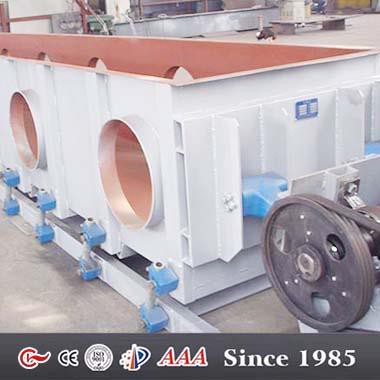
Our Vibration Conveyor Mass Conveyor is another popular product. It uses vibration to move materials along the conveyor, and its design takes into account corrosion - resistance factors such as proper drainage and sealing.
Conclusion
Corrosion resistance is a critical factor in the performance and longevity of mass conveyors. By using appropriate materials, surface treatments, and design features, we can ensure that our mass conveyors can withstand the harsh environments of bulk material handling. If you are in need of a mass conveyor with excellent corrosion - resistance features, we invite you to contact us for further information and to discuss your specific requirements. Our team of experts is ready to assist you in selecting the right conveyor for your application.
References
- Fontana, M. G. (1986). Corrosion Engineering. McGraw - Hill.
- Schweitzer, P. A. (1998). Corrosion Resistance Tables. Marcel Dekker.
- Uhlig, H. H., & Revie, R. W. (1985). Corrosion and Corrosion Control. John Wiley & Sons.