

Hey there! As a supplier of Silo Unloaders, I've seen my fair share of blockage issues in these machines. Blockages can be a real pain in the neck, causing downtime, reducing efficiency, and even leading to costly repairs. But don't worry, I'm here to share some tips on how to prevent blockages in a silo unloader.
Understanding the Causes of Blockages
Before we dive into prevention methods, it's important to understand what causes blockages in the first place. There are several factors that can contribute to blockages in a silo unloader:
- Material Characteristics: The type of material being unloaded plays a huge role. Some materials, like fine powders or sticky substances, are more prone to clogging. For example, if you're dealing with flour or sugar, they can easily form lumps and stick to the walls of the silo and the unloader components.
- Moisture: Moisture can cause materials to clump together. If the storage environment is humid or if there's a leak in the silo, the material can absorb moisture and become a sticky mess that's difficult to unload.
- Incorrect Design or Installation: If the silo unloader isn't designed properly for the specific material or if it's installed incorrectly, it can lead to blockages. For instance, if the auger pitch is too small for the material flow rate, it won't be able to move the material efficiently.
- Mechanical Issues: Worn-out parts, such as belts, bearings, or paddles, can also cause blockages. If these components aren't functioning properly, they can't move the material through the unloader smoothly.
Prevention Methods
1. Choose the Right Unloader for Your Material
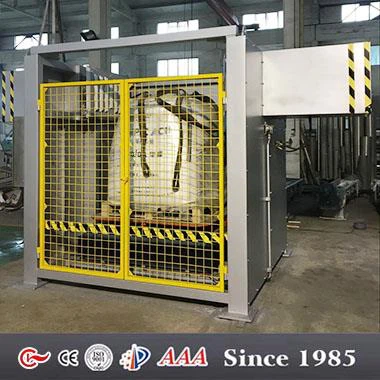
One of the most important steps in preventing blockages is to select the appropriate silo unloader for the material you're handling. We offer a range of unloaders, including the Hybrid Silo Unloader Super Sack Unloading Station and the Big Bag Unloading Station Bulk Bag Unloading. These unloaders are designed to handle different types of materials efficiently.
For example, if you're dealing with free-flowing materials like grains, a simple auger unloader might work well. But for sticky or non-free-flowing materials, you might need a more advanced unloader with features like vibrators or agitators to help break up the material and keep it moving.

2. Control Moisture
As I mentioned earlier, moisture can be a major cause of blockages. To prevent this, you need to control the moisture levels in the silo and the material. Here are some ways to do that:
- Proper Storage: Make sure the silo is properly sealed to prevent moisture from getting in. You can also use desiccants or dehumidifiers in the storage area to reduce humidity.
- Material Conditioning: If the material is prone to absorbing moisture, you can treat it before loading it into the silo. For example, you can add anti-caking agents to prevent clumping.
3. Regular Maintenance
Regular maintenance is crucial for preventing blockages. Here are some maintenance tasks you should perform:
- Inspect and Clean Components: Regularly inspect the unloader components, such as the auger, belts, and paddles, for wear and tear. Clean them to remove any buildup of material.
- Lubricate Moving Parts: Lubricate the bearings, chains, and other moving parts to ensure smooth operation. This will reduce friction and prevent parts from seizing up.
- Replace Worn-Out Parts: Don't wait until a part fails completely. Replace worn-out parts as soon as you notice signs of damage to prevent blockages and other issues.
4. Optimize the Unloading Process
The way you operate the silo unloader can also affect the likelihood of blockages. Here are some tips to optimize the unloading process:
- Control the Flow Rate: Don't try to unload the material too quickly. Adjust the flow rate to match the capacity of the unloader and the material characteristics. This will prevent overloading and blockages.
- Use Agitators or Vibrators: If your unloader is equipped with agitators or vibrators, use them to help break up the material and keep it flowing. You can set them to operate at regular intervals or based on the material level in the silo.
- Monitor the Unloading Process: Keep an eye on the unloader while it's operating. If you notice any signs of blockage, such as a decrease in flow rate or unusual noises, stop the unloader immediately and investigate the problem.
5. Train Your Staff
Proper training is essential for preventing blockages. Make sure your staff knows how to operate the silo unloader correctly, including how to start and stop it, adjust the flow rate, and perform basic maintenance tasks. They should also be aware of the signs of blockages and know what to do if they occur.
Conclusion
Preventing blockages in a silo unloader requires a combination of the right equipment, proper maintenance, and good operating practices. By following the tips I've shared in this blog, you can reduce the risk of blockages and keep your silo unloader running smoothly.
If you're in the market for a new silo unloader or need help with preventing blockages in your existing unloader, don't hesitate to reach out. We're here to provide you with the best solutions and support. Contact us today to start a conversation about your specific needs and how we can help you optimize your material handling process.
References
- "Silo Unloading Systems: Design and Operation" - Industry Handbook
- "Preventing Blockages in Bulk Material Handling Equipment" - Journal of Material Handling Technology