

Hey there! As a supplier of Screw Loaders, I'm stoked to share with you a step - by - step guide on how to install a screw loader. Whether you're a DIY enthusiast or a professional in the industry, this guide will walk you through the process.
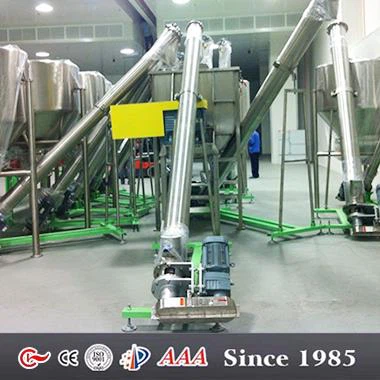
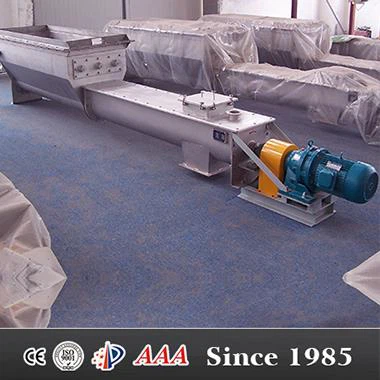
1. Preparation
First things first, you gotta make sure you've got all the necessary tools and materials. You'll need a set of wrenches, a drill, some measuring tape, and safety gear like gloves and goggles. Safety should always be your top priority, so don't skip out on the safety stuff.
Also, take a good look at the installation site. It should be a flat and stable surface. Check for any potential obstructions or hazards that could get in the way during the installation. Make sure there's enough space around the area for you to work comfortably.
2. Unpacking and Inspection
Once you've got your screw loader delivered, carefully unpack it. Check all the components for any damage during transit. Look for dents, scratches, or any loose parts. If you find anything wrong, contact us right away. As a reliable Screw Loaders supplier, we'll make sure to sort it out for you.
3. Positioning the Screw Loader
Use your measuring tape to mark the exact position where you want to install the screw loader. The positioning is crucial as it affects the efficiency of the loader. Make sure it's close to the source of the material you'll be loading and also near the destination where the material will be transferred.
Once you've marked the position, use your wrenches to secure the base of the screw loader to the surface. Tighten the bolts firmly, but don't over - tighten them as it could damage the base.
4. Connecting the Drive Unit
The drive unit is what powers the screw loader. It's usually a motor that rotates the screw to move the material. Connect the drive unit to the screw shaft according to the manufacturer's instructions. Make sure all the connections are secure.
You may need to use some lubricant on the moving parts to ensure smooth operation. Just a little bit will do the trick.
5. Electrical Connections
Now, it's time to deal with the electrical part. If you're not confident working with electricity, it's best to hire a professional electrician. But if you're up for it, make sure to follow all the safety protocols.
Connect the power cable to the drive unit. Double - check all the connections to avoid any short - circuits. And don't forget to ground the system properly.
6. Testing the Screw Loader
Before you start using the screw loader for real, it's important to test it. Turn on the power and let the screw loader run for a few minutes. Listen for any unusual noises or vibrations. If you hear anything strange, turn it off immediately and check for the problem.
Check if the screw is rotating smoothly and if the material is being transferred as expected. You can start with a small amount of material to test the functionality.
7. Adjustments and Fine - Tuning
Based on the test results, you may need to make some adjustments. You can adjust the speed of the screw, the angle of the loader, or the feeding rate. These adjustments will help you optimize the performance of the screw loader for your specific needs.
Types of Screw Loaders and Their Applications
There are different types of screw loaders available, and each has its own unique applications. For example, Screw Conveyors Worm Conveyors are great for moving bulk materials in a variety of industries. They're durable and can handle different types of materials, from powders to small granules.
If you're in the food industry, Food Screw Conveyors Spiral Conveyor System for Coffee might be the perfect choice. These are designed to meet the strict hygiene standards of the food industry and are ideal for handling coffee beans and other food products.
The Horizontal Screw Feeder is another popular option. It's used when you need to feed materials horizontally, such as in a manufacturing process where the material needs to be delivered at a specific rate.
Troubleshooting Tips
Even after a successful installation, you might run into some issues with your screw loader. Here are some common problems and how to fix them:
- Jamming: If the screw loader gets jammed, turn off the power immediately. Check for any foreign objects in the screw or the hopper. Remove the object and restart the loader.
- Excessive Noise: Excessive noise could be a sign of loose parts or worn - out bearings. Check all the connections and replace any damaged parts.
- Low Efficiency: If the loader isn't performing as well as it should, check the speed settings, the angle of the loader, and the condition of the screw. Make the necessary adjustments to improve the efficiency.
Why Choose Our Screw Loaders
As a Screw Loaders supplier, we take pride in offering high - quality products. Our screw loaders are made from top - notch materials, which ensures durability and long - term performance. We also provide excellent customer service. If you have any questions during the installation or operation of the screw loader, our team is always ready to help.
If you're interested in purchasing a screw loader or have any questions about our products, don't hesitate to reach out to us. We're eager to have a chat with you and discuss how our screw loaders can meet your specific requirements. Whether you're a small - scale business or a large industrial operation, we've got the right solution for you. Contact us today and let's start this exciting journey together!
References
- Manufacturer's installation manuals for screw loaders
- Industry best practices for screw loader installation and operation