

As a custom mixer supplier, I understand the critical importance of maintaining high - level hygiene in food processing. Food safety is not only a legal requirement but also a moral obligation. A custom mixer, tailored to specific food processing needs, can be a significant investment. Ensuring its hygiene is essential to protect the quality of the food products, prevent contamination, and meet regulatory standards. In this blog, I will share some practical tips on how to keep your custom mixer clean and hygienic.
Understanding the Risks of Poor Hygiene in Food Processing Mixers
Before delving into the hygiene - ensuring measures, it's crucial to understand the risks associated with poor hygiene in food processing mixers. Microorganisms such as bacteria, fungi, and viruses can thrive in the nooks and crannies of a mixer. These pathogens can contaminate the food being processed, leading to foodborne illnesses. For example, Salmonella and E. coli are common bacteria that can cause severe health problems if consumed.
Moreover, residues from previous batches can also affect the flavor and quality of the new food products. Cross - contamination can occur when allergens from one food item are transferred to another, posing a serious risk to consumers with food allergies. In addition, a dirty mixer can lead to mechanical problems over time, reducing its lifespan and increasing maintenance costs.
Design Considerations for Hygienic Custom Mixers
The first step in ensuring the hygiene of a custom mixer is to design it with hygiene in mind. When working with our clients, we take several factors into account during the design phase.
Material Selection
Choose materials that are resistant to corrosion and easy to clean. Stainless steel is a popular choice for food processing mixers due to its durability, non - reactivity, and smooth surface. It can withstand repeated cleaning and sanitization without degrading. Other materials, such as food - grade plastics, can also be used for certain components, provided they meet the necessary safety standards.
Smooth Surfaces
Design the mixer with smooth surfaces to prevent the accumulation of food particles and microorganisms. Avoid sharp corners, crevices, and joints where debris can get trapped. Seamless construction is ideal as it eliminates potential hiding places for contaminants.
Easy Disassembly
A custom mixer should be designed for easy disassembly. This allows for thorough cleaning of all components, including hard - to - reach areas. Parts such as paddles, blades, and covers should be removable without the need for special tools. This not only makes cleaning more efficient but also ensures that all parts are properly cleaned.
Regular Cleaning Procedures
Once the custom mixer is installed, regular cleaning is essential to maintain its hygiene.
Pre - cleaning
Before starting the main cleaning process, it's important to remove any large food particles from the mixer. This can be done by scraping or brushing the surfaces. If possible, run the mixer briefly with water to flush out loose debris.
Disassembly
As mentioned earlier, disassemble the mixer into its individual components. This includes removing the mixing blades, paddles, covers, and any other removable parts. Place the parts in a clean container for cleaning.
Cleaning Agents
Use appropriate cleaning agents that are approved for use in food processing. Mild detergents are usually sufficient for routine cleaning. Avoid using abrasive cleaners that can scratch the surfaces of the mixer. For more stubborn stains or contaminants, a sanitizing solution may be required. Follow the manufacturer's instructions when using cleaning agents to ensure their effectiveness and safety.
Cleaning the Components
Clean each component thoroughly using a soft brush or cloth. Pay special attention to areas where food particles are likely to accumulate, such as the edges of the mixing bowl and the blades. Rinse the components with clean water to remove any remaining cleaning agents.
Cleaning the Mixer Body
Clean the inside and outside of the mixer body using a cleaning solution. Wipe down all surfaces, including the control panel and the frame. Make sure to clean any vents or openings to prevent the build - up of dust and debris.
Reassembly
After the components are dry, reassemble the mixer. Ensure that all parts are properly installed and tightened.
Sanitization
Cleaning alone is not enough to ensure the hygiene of the custom mixer. Sanitization is a crucial step in killing any remaining microorganisms.

Sanitizing Agents
There are several types of sanitizing agents available for food processing equipment, such as chlorine - based sanitizers, quaternary ammonium compounds, and hydrogen peroxide. Choose a sanitizer that is appropriate for the type of mixer and the food being processed. Follow the recommended concentration and contact time for the sanitizer to ensure its effectiveness.
Application
Apply the sanitizer to all surfaces of the mixer and its components. This can be done by spraying, wiping, or immersing the parts in the sanitizing solution. Make sure that all surfaces are thoroughly covered and that the sanitizer has sufficient contact time to kill the microorganisms.
Rinsing
After the recommended contact time, rinse the mixer and its components with clean water to remove any remaining sanitizer. This is important as residual sanitizer can affect the taste and quality of the food products.
Maintenance and Inspection
Regular maintenance and inspection of the custom mixer are also important for ensuring its hygiene.
Lubrication
Use food - grade lubricants on moving parts to prevent corrosion and ensure smooth operation. Make sure to follow the manufacturer's recommendations for lubrication frequency and type of lubricant.
Seals and Gaskets
Check the seals and gaskets regularly for signs of wear or damage. Damaged seals can allow food particles and moisture to enter the mixer, leading to contamination. Replace any worn or damaged seals promptly.
Inspection
Conduct regular inspections of the mixer to identify any potential hygiene issues. Look for signs of corrosion, cracks, or other damage. Check the cleanliness of the mixer and its components during each inspection. If any problems are detected, take immediate action to address them.
Training and Education
Proper training of the operators is essential for ensuring the hygiene of the custom mixer. Operators should be trained on the correct cleaning and sanitization procedures, as well as the importance of maintaining a clean working environment. They should also be educated on food safety regulations and the potential risks associated with poor hygiene.
Special Considerations for Different Types of Custom Mixers
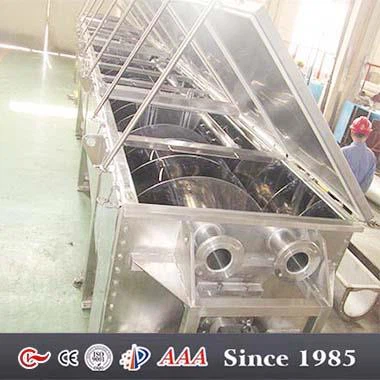
Different types of custom mixers may have specific hygiene requirements. For example, a Sludge Mixer Mixing Screw Conveyors used in the processing of sludge - like food products may require more frequent cleaning due to the nature of the material. On the other hand, a Conveyor Screw Coffee Screw Ribbon Mixer for Coffee System may need to be cleaned more carefully to prevent the transfer of coffee flavors between batches.
Conclusion
Ensuring the hygiene of a custom mixer used in food processing is a multi - step process that requires careful design, regular cleaning, sanitization, maintenance, and operator training. By following these guidelines, you can protect the quality of your food products, prevent contamination, and meet regulatory standards.
If you are in the market for a custom mixer or need advice on maintaining the hygiene of your existing mixer, please feel free to contact us. We are committed to providing high - quality custom mixers and comprehensive support to ensure the success of your food processing operations.
References
- Food and Drug Administration (FDA). "Food Safety Modernization Act (FSMA)".
- European Food Safety Authority (EFSA). "Guidelines on Hygiene in Food Processing".
- Manufacturer's manuals for custom mixers.