

Hey there! As a supplier of sludge mixers, I've seen firsthand how crucial it is to keep these machines running smoothly. In this blog, I'll share some tips on how to ensure the stability of a sludge mixer during operation.
Understanding the Basics of Sludge Mixers
First off, let's quickly go over what a sludge mixer does. A sludge mixer is designed to blend sludge, which can be a thick, sticky, and often challenging material to work with. The main goal is to achieve a homogeneous mixture, whether it's for wastewater treatment, industrial processes, or other applications.
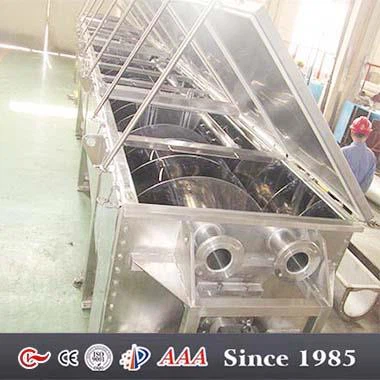
There are different types of sludge mixers out there. For instance, the Sludge Mixer Mixing Screw Conveyors are quite popular. These use screw conveyors to move and mix the sludge. Another type is the Conveyor Screw Coffee Screw Ribbon Mixer for Coffee System, which, although initially designed for coffee, can also be adapted for sludge mixing in some cases.
Pre - operation Checks
Before you start up the sludge mixer, there are several important checks you need to do.
Inspection of Components
Take a good look at all the components of the mixer. Check the screws, belts, and gears for any signs of wear and tear. Loose or damaged parts can cause the mixer to vibrate or malfunction during operation. For example, if a belt is loose, it might slip, leading to inconsistent mixing speeds. Make sure all bolts are tightened properly, and there are no cracks in the housing.
Lubrication
Lubrication is key to the smooth operation of a sludge mixer. Check the lubricant levels in all the moving parts, such as bearings and gears. Using the right type of lubricant is also crucial. Some sludge mixers operate in harsh environments, so you need a lubricant that can withstand high temperatures and resist corrosion. If the lubricant is old or contaminated, replace it.
Power Supply
Ensure that the power supply to the mixer is stable. Fluctuations in voltage can cause the motor to overheat or run at an inconsistent speed. Use a voltage stabilizer if necessary. Also, check the electrical connections to make sure they are secure and there are no signs of damage or short - circuits.

During Operation
Once the sludge mixer is up and running, there are still things you need to keep an eye on.
Loading Capacity
Don't overload the mixer. Each sludge mixer has a recommended loading capacity, and exceeding it can put a lot of stress on the motor and other components. This can lead to overheating, premature wear, and even breakdowns. If you need to mix a large volume of sludge, it's better to do it in batches.
Monitoring the Mixing Process
Keep an eye on how the sludge is being mixed. If you notice that the mixture is not homogeneous or if there are clumps forming, it could be a sign that something is wrong. Check the speed of the mixer and make sure it's set at the appropriate level. Sometimes, adjusting the speed can solve the problem.
Vibration Monitoring
Excessive vibration is a major red flag. It can indicate misalignment of components, unbalanced loads, or worn - out parts. If you feel excessive vibration during operation, stop the mixer immediately and inspect it. Continuing to run a vibrating mixer can cause further damage and reduce its lifespan.

Maintenance and Cleaning
Regular maintenance and cleaning are essential for the stability of a sludge mixer.
Scheduled Maintenance
Create a maintenance schedule and stick to it. This should include tasks like checking and replacing worn - out parts, tightening bolts, and lubricating components. By doing regular maintenance, you can catch small problems before they turn into big ones.
Cleaning
Sludge can be very sticky and can build up inside the mixer over time. This build - up can affect the performance of the mixer and cause blockages. Clean the mixer regularly, especially after each use. Use appropriate cleaning agents and tools to remove all the sludge from the interior and exterior of the mixer. Pay special attention to the screws and other moving parts, as sludge can get stuck in the small spaces and prevent them from working properly.
Training and Operator Skills
The skills and knowledge of the operator also play a big role in ensuring the stability of the sludge mixer.
Operator Training
Provide proper training to the operators. They should know how to operate the mixer correctly, including how to start and stop it, how to adjust the settings, and how to perform basic maintenance tasks. A well - trained operator is less likely to make mistakes that can lead to mixer instability.
Operator Awareness
Encourage operators to be aware of any changes in the mixer's performance. If they notice any unusual noises, vibrations, or changes in the mixing quality, they should report it immediately. Early detection of problems can prevent major breakdowns and costly repairs.
Conclusion
Ensuring the stability of a sludge mixer during operation is a combination of pre - operation checks, careful monitoring during operation, regular maintenance and cleaning, and well - trained operators. By following these tips, you can keep your sludge mixer running smoothly and efficiently for a long time.
If you're in the market for a high - quality sludge mixer or need more information on how to maintain and operate one, don't hesitate to reach out. We're here to help you with all your sludge mixing needs. Whether you're looking for a Sludge Mixer Mixing Screw Conveyors or a Conveyor Screw Coffee Screw Ribbon Mixer for Coffee System, we've got you covered. Contact us for a quote and let's start a great partnership!

References
- "Handbook of Sludge Treatment and Disposal"
- "Industrial Mixer Design and Operation Guide"