

Hey there! As a supplier of mass conveyors, I've seen firsthand the incredible benefits of automating these systems. In this blog, I'll share some tips on how to automate a mass conveyor and why it's a smart move for your business.
Why Automate a Mass Conveyor?
First off, let's talk about why you'd want to automate your mass conveyor in the first place. Automation can bring a whole bunch of advantages to the table. For starters, it can significantly increase efficiency. When you automate your conveyor, it can run continuously without breaks, reducing the time it takes to move materials from one point to another. This means you can get more work done in less time, which is always a plus for your bottom line.
Another big benefit is accuracy. Automated systems are programmed to perform tasks with a high degree of precision. They can ensure that the right amount of material is transferred at the right time, every time. This helps to minimize waste and improve the quality of your products.
Safety is also a major consideration. By automating your conveyor, you can reduce the need for manual labor in potentially dangerous areas. Workers are less likely to be exposed to hazards such as heavy loads, moving parts, and dust. This not only protects your employees but also helps you avoid costly workplace accidents and associated liabilities.
Steps to Automate a Mass Conveyor
1. Assess Your Needs
The first step in automating your mass conveyor is to figure out exactly what you need. Take a close look at your current conveyor system and identify areas where automation could make a difference. Consider factors such as the type of materials you're handling, the volume of materials, the speed at which you need to move them, and any specific requirements or constraints of your operation.
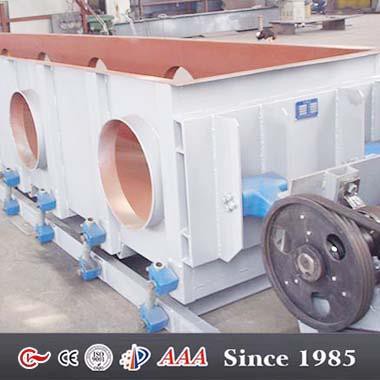
For example, if you're dealing with fragile materials, you'll need to ensure that the automated system can handle them gently without causing damage. On the other hand, if you have a high volume of heavy materials, you'll need a conveyor with sufficient strength and capacity.
2. Choose the Right Automation Technology
Once you've assessed your needs, it's time to choose the right automation technology for your conveyor. There are several options available, each with its own advantages and disadvantages.
- Programmable Logic Controllers (PLCs): PLCs are widely used in industrial automation. They allow you to program the conveyor to perform specific tasks based on input from sensors and other devices. PLCs are flexible, reliable, and can be easily integrated with other systems.
- Robotics: If you need to perform complex tasks such as picking and placing materials, robotics can be a great option. Robots can be programmed to handle a variety of materials and perform tasks with high precision. They can also work in harsh environments where human workers may not be able to operate safely.
- Sensors: Sensors play a crucial role in automation. They can be used to detect the presence, position, and condition of materials on the conveyor. For example, proximity sensors can detect when a material is approaching a certain point on the conveyor, while weight sensors can measure the amount of material being transferred.
3. Integrate the Automation System
After choosing the automation technology, the next step is to integrate it with your existing conveyor system. This may involve making some modifications to the conveyor, such as installing new sensors, motors, or control panels. It's important to work with a professional who has experience in conveyor automation to ensure that the integration is done correctly.
During the integration process, you'll also need to test the system to make sure it's working properly. This may involve running some trial runs with dummy materials to check for any issues or glitches. Make any necessary adjustments to the system until it meets your requirements.
4. Train Your Staff
Automating your mass conveyor doesn't mean you can do away with your staff entirely. Your employees will still need to operate and maintain the automated system. That's why it's important to provide them with proper training.
Training should cover topics such as how to operate the automation system, how to troubleshoot common problems, and how to perform routine maintenance tasks. By ensuring that your staff is well-trained, you can minimize downtime and keep your conveyor running smoothly.
Case Study: Automating a Mass Conveyor for a Bulk Material Handling Facility
Let me share a real-life example of how automation can transform a mass conveyor system. A bulk material handling facility was facing several challenges with their existing conveyor system. The system was manual, which meant it was slow and prone to errors. Workers had to manually load and unload materials, which was not only time-consuming but also physically demanding.
The facility decided to automate their mass conveyor using a combination of PLCs and sensors. They installed proximity sensors along the conveyor to detect the presence of materials and control the speed of the conveyor accordingly. They also used a PLC to program the conveyor to perform specific tasks, such as starting and stopping at certain points.
The results were impressive. The automated conveyor system increased the efficiency of the facility by over 50%. The time it took to move materials from one point to another was significantly reduced, and the accuracy of the material transfer improved. Workers were also able to focus on more value-added tasks, such as quality control and maintenance.

Conclusion
Automating a mass conveyor can bring a wide range of benefits to your business, including increased efficiency, accuracy, and safety. By following the steps outlined in this blog, you can successfully automate your conveyor system and take your operation to the next level.
If you're interested in learning more about our Mass Conveyor for Bulk Material Handling or Vibration Conveyor Mass Conveyor, or if you have any questions about conveyor automation, don't hesitate to get in touch. We'd be happy to discuss your specific needs and provide you with a customized solution.

References
- "Industrial Automation Handbook" by Peter Welter
- "Conveyor Systems Design Handbook" by CEMA