

As a reputable supplier of mass conveyors, I've witnessed firsthand the growing demand for energy - efficient industrial equipment. In today's environmentally conscious and cost - sensitive market, understanding the energy - saving features of a mass conveyor is crucial for both our clients and the industry as a whole.
1. Advanced Drive Systems
One of the primary energy - saving features of our mass conveyors lies in their advanced drive systems. Traditional conveyors often rely on inefficient motor setups that consume a significant amount of power, especially during start - up and high - load operations. Our mass conveyors, on the other hand, are equipped with state - of - the - art variable frequency drives (VFDs).

VFDs allow for precise control of the conveyor's motor speed. Instead of running the motor at a fixed speed all the time, the VFD can adjust the speed according to the actual load requirements. For example, when there is a light load of bulk material on the conveyor, the motor can operate at a lower speed, consuming less energy. When the load increases, the VFD can gradually ramp up the motor speed to handle the increased demand. This dynamic control not only saves energy but also extends the lifespan of the motor by reducing wear and tear.
In addition to VFDs, our conveyors may also feature direct drive systems. These systems eliminate the need for complex gearboxes and belts, which are common sources of energy loss in traditional conveyor designs. By directly coupling the motor to the conveyor's drive mechanism, power transmission is more efficient, and there is less energy wasted in the form of heat and friction.
2. Optimized Conveyor Design
The physical design of our mass conveyors is another key factor in their energy efficiency. We use advanced computer - aided design (CAD) techniques to optimize the shape and structure of the conveyor trough and frame. A well - designed trough can minimize the resistance encountered by the bulk material as it moves along the conveyor.
For instance, we design the trough with smooth inner surfaces to reduce friction between the material and the trough walls. This allows the material to flow more freely, requiring less energy to move it. Moreover, the shape of the trough is carefully engineered to ensure proper material distribution, preventing uneven loading that can cause the conveyor to work harder than necessary.
The frame of the conveyor is also designed for maximum strength and minimum weight. By using high - strength yet lightweight materials, we reduce the overall mass of the conveyor, which in turn reduces the energy required to move it. A lighter conveyor also puts less stress on the drive system, further contributing to energy savings.
3. Energy - Efficient Vibratory Technology
Many of our mass conveyors utilize vibratory technology to move bulk materials. Unlike traditional belt or chain conveyors, vibratory conveyors can offer significant energy savings. Our vibratory mass conveyors are designed with precision - tuned vibration systems.
These systems use specially designed motors and springs to generate the optimal vibration frequency and amplitude for efficient material movement. By carefully adjusting these parameters, we can ensure that the bulk material is conveyed with minimal energy input. For example, the vibration frequency is set to match the natural flow characteristics of the material, allowing it to move smoothly along the conveyor without excessive shaking or jolting.
In addition, our vibratory conveyors are equipped with energy - efficient motors. These motors are designed to convert electrical energy into mechanical vibration with high efficiency. They also have low power consumption, especially when compared to the large motors required by some other types of conveyors.
4. Smart Control Systems
Our mass conveyors are integrated with smart control systems that play a vital role in energy conservation. These control systems use sensors to monitor various parameters such as the amount of material on the conveyor, the speed of the conveyor, and the temperature of the drive system.
Based on the data collected by these sensors, the control system can make real - time adjustments to the conveyor's operation. For example, if the sensor detects that there is no material on the conveyor, the control system can automatically reduce the motor speed or even shut down the conveyor to save energy. When new material is detected, the conveyor can quickly resume operation at the appropriate speed.
The smart control system also allows for remote monitoring and control. This means that operators can adjust the conveyor's settings from a central control room, optimizing its operation based on changing production requirements. By having this level of control, energy consumption can be minimized without sacrificing productivity.
5. Regenerative Braking
Some of our advanced mass conveyors are equipped with regenerative braking systems. When the conveyor needs to slow down or stop, instead of dissipating the kinetic energy as heat like traditional braking systems, the regenerative braking system converts this energy back into electrical energy.
This recovered energy can then be fed back into the power grid or used to power other equipment in the facility. Regenerative braking not only saves energy but also reduces the wear on the braking components, leading to lower maintenance costs.
Why Choose Our Mass Conveyors
As a supplier, we are committed to providing our customers with the most energy - efficient mass conveyors on the market. Our conveyors are not only designed with the latest energy - saving technologies but also undergo rigorous testing to ensure their performance and reliability.
We understand that energy efficiency is not just about reducing costs; it's also about reducing the environmental impact of industrial operations. By choosing our mass conveyors, our customers can contribute to a more sustainable future while enjoying significant savings on their energy bills.
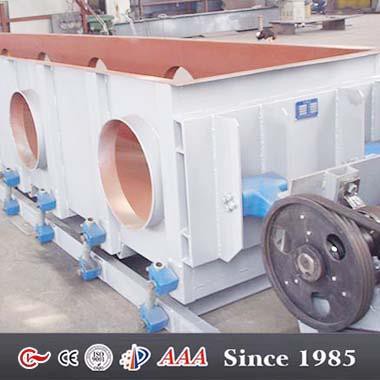
If you are interested in learning more about our Mass Conveyor for Bulk Material Handling or Vibration Conveyor Mass Conveyor, we encourage you to contact us for a detailed discussion. Our team of experts is ready to assist you in finding the right conveyor solution for your specific needs. Whether you are looking to upgrade your existing conveyor system or install a new one, we can provide you with the best advice and support.
References
- "Industrial Conveyor Systems: Design and Operation" by John A. Birtwhistle
- "Energy - Efficient Technologies in Material Handling" by the International Energy Agency
- "Vibratory Conveyor Handbook" by various industry experts