

Are there any price fluctuations in the mixer market? As a supplier of mixer prices, I've witnessed firsthand the dynamic nature of this industry. In this blog, I'll delve into the factors that contribute to price fluctuations in the mixer market and how they impact both suppliers and buyers.
Market Demand and Supply
One of the primary drivers of price fluctuations in the mixer market is the balance between demand and supply. When demand for mixers is high and supply is limited, prices tend to rise. Conversely, when supply exceeds demand, prices typically fall. For example, during peak construction seasons, the demand for concrete mixers surges as construction projects are in full swing. This increased demand often leads to higher prices as suppliers struggle to keep up with the orders. On the other hand, in industries where mixer usage is seasonal, such as the food processing industry during off - peak seasons, the demand drops, and suppliers may offer discounts to stimulate sales.
The global economic situation also plays a significant role in determining market demand. In times of economic growth, businesses are more likely to invest in new equipment, including mixers, to expand their operations. This increased investment leads to a higher demand for mixers and subsequently drives up prices. During economic downturns, however, companies may cut back on capital expenditures, resulting in a decrease in demand and lower prices.
Raw Material Costs
The cost of raw materials is another crucial factor influencing mixer prices. Mixers are typically made from a variety of materials, including steel, aluminum, and plastic. Fluctuations in the prices of these raw materials can have a direct impact on the cost of manufacturing mixers. For instance, if the price of steel increases significantly, the cost of producing steel - bodied mixers will also rise. Suppliers may then pass on these increased costs to buyers in the form of higher prices.
The availability of raw materials can also affect prices. Disruptions in the supply chain, such as natural disasters, political unrest, or trade disputes, can lead to shortages of certain raw materials. When raw materials become scarce, their prices tend to increase, which in turn drives up the cost of manufacturing mixers. For example, if a major steel - producing region experiences a labor strike, the supply of steel may be disrupted, causing steel prices to spike and affecting the prices of mixers that use steel as a primary material.
Technological Advancements
Technological advancements in the mixer industry can also cause price fluctuations. New and improved mixer models with advanced features and capabilities often command higher prices in the market. For example, mixers equipped with smart technology that allows for remote monitoring and control are likely to be more expensive than traditional mixers. As technology continues to evolve, older mixer models may become obsolete, and their prices may decline as suppliers try to clear their inventory.
However, technological advancements can also lead to cost savings in the long run. For instance, the development of more energy - efficient mixers can reduce operating costs for buyers. As these energy - efficient models become more widely available, the overall cost of mixer ownership may decrease, even if the initial purchase price is relatively high.
Competition in the Market
Competition among mixer suppliers is another factor that can influence prices. In a highly competitive market, suppliers may engage in price wars to gain market share. This can lead to lower prices for buyers as suppliers try to undercut each other. On the other hand, in a market with limited competition, suppliers may have more pricing power and may be able to set higher prices.

The quality and reputation of a supplier can also affect pricing. Well - established suppliers with a reputation for high - quality products and excellent customer service may be able to charge premium prices. Buyers are often willing to pay more for a mixer from a trusted supplier, knowing that they are getting a reliable and durable product.
Types of Mixers and Their Price Trends
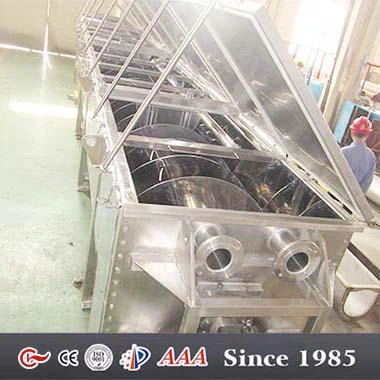
Different types of mixers have different price trends in the market. For example, industrial - grade mixers used in large - scale manufacturing processes are generally more expensive than small - scale mixers used in home kitchens or small businesses. The Sludge Mixer Mixing Screw Conveyors are designed for heavy - duty applications in industries such as wastewater treatment and mining. These mixers require high - quality materials and advanced engineering, which contribute to their relatively high prices.
On the other hand, mixers for specific niche markets, such as the Conveyor Screw Coffee Screw Ribbon Mixer for Coffee System, may have unique price dynamics. The demand for coffee mixers is driven by the growth of the coffee industry. As the coffee market expands, the demand for specialized coffee mixers may increase, which could potentially lead to price fluctuations depending on the supply situation.
Impact on Buyers and Suppliers
Price fluctuations in the mixer market can have significant impacts on both buyers and suppliers. For buyers, price increases can mean higher costs for purchasing mixers, which can affect their budgets and profitability. However, price decreases can present opportunities for buyers to acquire mixers at a lower cost, allowing them to invest in new equipment or upgrade their existing mixers.
For suppliers, price fluctuations can pose challenges in terms of managing costs and maintaining profitability. When prices are rising, suppliers may face increased costs of raw materials and production, which can squeeze their profit margins. On the other hand, when prices are falling, suppliers may need to find ways to cut costs or differentiate their products to remain competitive.
How to Navigate Price Fluctuations
As a supplier, we understand the challenges that price fluctuations pose for both buyers and suppliers. To help our customers navigate these fluctuations, we offer a range of solutions. We work closely with our suppliers to secure the best possible prices for raw materials, which allows us to keep our mixer prices as stable as possible. We also provide our customers with regular market updates and price forecasts, so they can make informed purchasing decisions.
For buyers, it's important to do your research and compare prices from different suppliers. Look for suppliers who offer competitive prices without compromising on quality. Consider the total cost of ownership, including operating costs, maintenance costs, and the lifespan of the mixer, when making a purchasing decision.
Conclusion
In conclusion, there are indeed price fluctuations in the mixer market, driven by factors such as market demand and supply, raw material costs, technological advancements, and competition. These fluctuations can have significant impacts on both buyers and suppliers. As a mixer price supplier, we are committed to helping our customers navigate these challenges by providing high - quality products at competitive prices and offering valuable market insights.
If you're in the market for a mixer, whether it's for industrial use or a small - scale application, we invite you to reach out to us for a detailed discussion. Our team of experts can help you find the right mixer for your needs and provide you with a customized price quote. Let's start a conversation about your mixer requirements and explore how we can work together to meet your goals.
References
- Industry reports on the mixer market
- Economic data on raw material prices
- Studies on technological advancements in the mixer industry