

When it comes to worm conveyors, also known as screw conveyors, one of the most critical aspects to consider is the material of the worm. As a supplier of worm conveyors, I understand the importance of choosing the right material for the worm to ensure optimal performance, durability, and efficiency. In this blog post, I will delve into the various materials used for worms in worm conveyors, their characteristics, and the factors to consider when selecting the appropriate material.
Common Materials for Worms in Worm Conveyors
Mild Steel
Mild steel is one of the most commonly used materials for worms in worm conveyors. It is a cost - effective option that offers good strength and durability. Mild steel worms are suitable for handling a wide range of materials, including dry bulk solids such as grains, powders, and some light - duty industrial waste.
The main advantage of mild steel is its affordability. It is readily available in the market, which makes it a popular choice for many applications. However, mild steel is prone to corrosion, especially when exposed to moisture or corrosive substances. To mitigate this issue, mild steel worms can be coated with a protective layer, such as paint or zinc plating, to increase their resistance to corrosion.
Stainless Steel
Stainless steel is another popular material for worms in worm conveyors, especially in applications where hygiene, corrosion resistance, and high - temperature performance are required. Stainless steel worms are commonly used in the food, pharmaceutical, and chemical industries.
There are different grades of stainless steel, with 304 and 316 being the most commonly used in worm conveyors. Grade 304 stainless steel offers good corrosion resistance and is suitable for most general - purpose applications. Grade 316 stainless steel, on the other hand, contains molybdenum, which provides enhanced corrosion resistance, especially in harsh environments where exposure to chemicals or saltwater is likely.
Stainless steel worms are easy to clean and maintain, which is crucial in industries where product contamination is a concern. They also have a long service life, making them a cost - effective option in the long run. You can find more information about Stainless Steel Screw Conveyor For Powder Industry on our website.
Carbon Steel
Carbon steel is similar to mild steel but contains a higher percentage of carbon, which gives it greater strength and hardness. Carbon steel worms are suitable for handling abrasive materials, such as coal, ore, and some types of construction waste.
The increased strength of carbon steel allows the worm to withstand the wear and tear caused by abrasive materials. However, like mild steel, carbon steel is also prone to corrosion. Therefore, proper surface treatment, such as heat treatment or coating, is necessary to protect the worm from corrosion.
Alloy Steel
Alloy steel is a type of steel that contains additional alloying elements, such as chromium, nickel, and molybdenum, to enhance its mechanical properties. Alloy steel worms are used in applications where high strength, toughness, and wear resistance are required.
Alloy steel can be customized to meet specific application requirements by adjusting the composition of the alloying elements. For example, in high - temperature applications, alloy steel with a high chromium content can be used to improve the worm's resistance to oxidation and thermal fatigue.
Factors to Consider When Selecting the Material for the Worm
Type of Material to be Conveyed
The type of material that the worm conveyor will handle is one of the most important factors to consider when selecting the material for the worm. If the material is abrasive, a hard and wear - resistant material, such as carbon steel or alloy steel, should be chosen. If the material is corrosive, stainless steel or a coated mild steel may be the best option. For food or pharmaceutical products, stainless steel is preferred due to its hygiene and corrosion - resistant properties.
Operating Environment
The operating environment of the worm conveyor also plays a significant role in material selection. If the conveyor is located in a humid or outdoor environment, a corrosion - resistant material is necessary to prevent rust and deterioration. In high - temperature environments, materials with good thermal stability, such as alloy steel or heat - treated carbon steel, should be used.
Cost
Cost is always a consideration in any industrial application. Mild steel is the most cost - effective option, followed by carbon steel. Stainless steel and alloy steel are more expensive but offer better performance and durability in certain applications. When making a decision, it is important to balance the initial cost with the long - term cost of maintenance and replacement.
Conveyor Design and Capacity
The design and capacity of the worm conveyor can also influence the material selection. For example, in a high - capacity conveyor, a stronger and more durable material may be required to withstand the higher loads. The pitch and diameter of the worm can also affect the choice of material, as different materials have different mechanical properties that may be more suitable for specific designs.
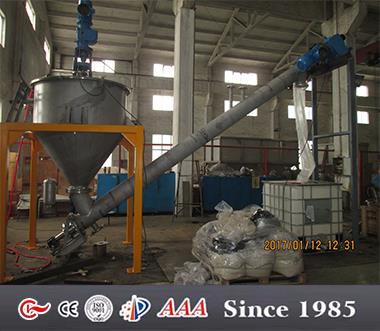

Our Worm Conveyor Solutions
As a supplier of worm conveyors, we offer a wide range of worm conveyor products made from different materials to meet the diverse needs of our customers. Our Screw Conveyor Machine is available in various configurations and can be customized according to your specific requirements.
We also provide Industrial Conveyor Systems Screw Auger Conveyors that are designed for heavy - duty industrial applications. Our team of experts can help you select the right material for the worm based on your application, ensuring that you get a conveyor system that is reliable, efficient, and cost - effective.
Conclusion
The material of the worm in a worm conveyor is a crucial factor that can significantly impact the performance and lifespan of the conveyor. By understanding the characteristics of different materials and considering the factors such as the type of material to be conveyed, operating environment, cost, and conveyor design, you can make an informed decision when selecting the material for the worm.
If you are in the market for a worm conveyor or need more information about our products, please feel free to contact us. Our sales team is ready to assist you in finding the best solution for your needs and to discuss the details of your procurement. We look forward to the opportunity to work with you and provide you with high - quality worm conveyor products.
References
- Perry, R. H., & Green, D. W. (Eds.). (2008). Perry's Chemical Engineers' Handbook. McGraw - Hill.
- ASM Handbook Committee. (1990). ASM Handbook: Properties and Selection: Irons, Steels, and High - Performance Alloys. ASM International.