

Hey there! As a supplier of drag conveyors, I often get asked about the best type of lubricant to use for these machines. Drag conveyors are workhorses in many industries, moving all sorts of materials like grains, powders, and even some heavy-duty stuff. Picking the right lubricant is super important to keep them running smoothly and to avoid costly breakdowns.
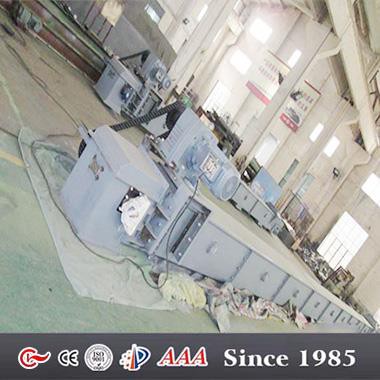
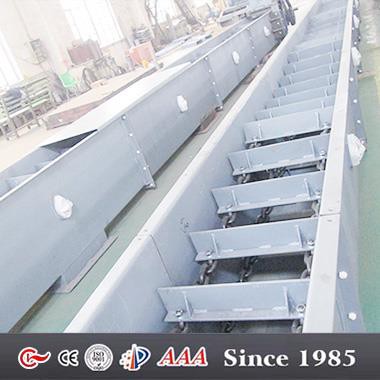
First off, let's talk about what a drag conveyor is. It's a system that uses a chain or belt with attached flights to move materials along a trough. The chain or belt has to deal with a lot of friction as it moves, and that's where lubrication comes in. A good lubricant reduces this friction, cuts down on wear and tear, and helps prevent corrosion.
There are a few factors to think about when choosing a lubricant for a drag conveyor. The type of material being conveyed is a big one. If you're moving grains, for example, you'll want a lubricant that's food-safe in case there's any accidental contact. Check out our Grain Drag Conveyor Drag Chain Conveyor for more info on how these conveyors handle grain.
Another factor is the operating environment. If the conveyor is in a hot area, you'll need a lubricant that can stand up to high temperatures without breaking down. On the flip side, if it's in a cold place, the lubricant should stay fluid so it can still do its job.
Now, let's dive into the different types of lubricants available.
Mineral Oil-Based Lubricants
These are the most common type of lubricants out there. They're made from refined petroleum and are usually pretty affordable. Mineral oil-based lubricants work well in normal operating conditions. They have good lubricating properties and can handle moderate loads.
However, they do have some downsides. They're not very resistant to high temperatures, so if your drag conveyor is in a hot environment, they might start to break down. They also aren't the best at resisting water and can wash away easily if there's any moisture around.
Synthetic Lubricants
Synthetic lubricants are a step up from mineral oil-based ones. They're man-made and can be designed to have specific properties. For example, they can handle high temperatures much better than mineral oils. They also have better resistance to oxidation, which means they last longer.
Synthetics are great for drag conveyors that are operating in extreme conditions, like high-speed or high-temperature environments. They can reduce friction even more than mineral oils, which can lead to energy savings. But, they do come with a higher price tag.
Greases
Greases are a type of lubricant that's thicker than oils. They're made by mixing a base oil with a thickening agent. Greases are great for drag conveyors because they stay in place better than oils. They can provide long-lasting lubrication and are good at protecting against dirt and debris.
There are different types of greases available, too. For example, lithium-based greases are very common and work well in a wide range of temperatures. They're also resistant to water. On the other hand, silicone-based greases are great for applications where there's a lot of movement and where you need a lubricant that won't stain or damage other materials.
Biodegradable Lubricants
In today's world, more and more companies are looking for environmentally friendly options. Biodegradable lubricants are made from natural materials like vegetable oils. They're a great choice if your drag conveyor is in an area where there's a risk of environmental contamination, like near water sources.
These lubricants break down easily in the environment, so they're less harmful if they spill. They also have good lubricating properties, but they might not be as durable as some of the other types of lubricants. They can also be more expensive, but the environmental benefits might be worth it for some companies.
Choosing the Right Lubricant
So, how do you decide which lubricant is right for your drag conveyor? Here are some steps to follow:
- Understand Your Conveyor's Requirements: Look at the operating conditions, the type of material being conveyed, and the load on the conveyor. If it's a high-speed conveyor, you'll need a lubricant that can handle that. If it's in a dusty environment, a grease might be a better choice to keep the dirt out.
- Check the Manufacturer's Recommendations: The manufacturer of your drag conveyor might have specific lubricant recommendations. Following these can help ensure that your conveyor runs properly and that you don't void any warranties.
- Consider the Cost: While you don't want to skimp on lubricant quality, you also need to think about your budget. Sometimes, a more expensive lubricant can save you money in the long run by reducing maintenance and downtime. But, if your conveyor doesn't need the high-end stuff, you might be able to get away with a more affordable option.
- Test the Lubricant: Before you commit to using a particular lubricant, it's a good idea to test it on a small scale. See how it performs in your conveyor and look for any signs of problems like excessive wear or corrosion.
Once you've chosen the right lubricant, it's important to use it correctly. Make sure you're applying the right amount at the right intervals. Over-lubricating can be just as bad as under-lubricating. It can lead to a build-up of dirt and debris, which can cause problems for your conveyor.
If you're still not sure which lubricant to use for your drag conveyor, don't worry. We're here to help. As a drag conveyor supplier, we have a lot of experience with these machines and can offer you some expert advice. Whether you're looking for a lubricant for a Grain Drag Conveyor Drag Chain Conveyor or a heavy-duty industrial conveyor, we can guide you through the process.
If you're interested in purchasing a drag conveyor or need more information about lubricants, feel free to reach out. We're always happy to have a chat and help you find the best solutions for your business.
References
- Machinery Lubrication: "Choosing the Right Lubricant for Your Equipment"
- Tribology Handbook: "Lubrication Fundamentals"
- Conveyor Equipment Manufacturers Association (CEMA) guidelines on conveyor maintenance and lubrication.