

As a trusted supplier of screw loaders, I often encounter inquiries from clients about the differences between single - screw and double - screw loaders. Understanding these differences is crucial for making an informed decision when it comes to choosing the right equipment for your specific industrial needs. In this blog post, I'll delve into the key aspects that set these two types of loaders apart.
Design and Structure
The most obvious difference between single - screw and double - screw loaders lies in their design. A single - screw loader, as the name suggests, features a single screw mechanism within a housing. This screw rotates to move materials along the conveyor path. The simplicity of its design makes it a cost - effective option for many applications. It is relatively easy to manufacture, install, and maintain.
On the other hand, a double - screw loader has two parallel screws that work in tandem. These screws can either rotate in the same direction or in opposite directions, depending on the application requirements. The dual - screw design allows for more complex material handling capabilities. The interaction between the two screws can create a more efficient and controlled flow of materials.
Material Handling Capacity
When it comes to material handling capacity, double - screw loaders generally have an edge over single - screw loaders. The dual - screw configuration enables them to move larger volumes of materials in a given time. The two screws can work together to push, pull, and mix materials more effectively, resulting in a higher throughput.
Single - screw loaders, while having a lower capacity in comparison, are still suitable for applications where the material flow rate is relatively low. They are often used for feeding small amounts of materials into processing equipment, such as in small - scale chemical production or food processing.
Mixing and Blending Capabilities
Double - screw loaders are well - known for their superior mixing and blending capabilities. The two screws can be designed to create a complex flow pattern that ensures thorough mixing of different materials. This is particularly useful in industries where homogeneous mixtures are required, such as in the production of plastics, where different additives need to be evenly distributed throughout the polymer matrix.
Single - screw loaders, however, are not typically used for intensive mixing. They mainly focus on transporting materials from one point to another. While some degree of mixing may occur as the material moves along the screw, it is not as efficient as that achieved by double - screw loaders.
Energy Efficiency
Energy efficiency is an important consideration in any industrial operation. Single - screw loaders tend to be more energy - efficient in applications where the material handling requirements are not too demanding. Since they have a simpler design and fewer moving parts, they consume less power to operate.
Double - screw loaders, due to their more complex design and higher throughput, may require more energy. However, in applications where high - volume material handling and mixing are necessary, the benefits of using a double - screw loader often outweigh the additional energy consumption.
Maintenance Requirements
Maintenance is another factor to consider when choosing between single - screw and double - screw loaders. Single - screw loaders are generally easier to maintain. With fewer components, there are fewer parts that can wear out or malfunction. Routine maintenance tasks, such as cleaning and lubrication, are relatively straightforward.
Double - screw loaders, on the other hand, require more in - depth maintenance. The interaction between the two screws and the more complex internal components mean that more attention needs to be paid to alignment, wear, and tear. However, proper maintenance can ensure the long - term reliability and performance of double - screw loaders.
Cost
Cost is always a significant factor in the purchasing decision. Single - screw loaders are usually more affordable in terms of initial purchase price. Their simpler design and lower manufacturing costs make them an attractive option for budget - conscious buyers.
Double - screw loaders, due to their more complex design and advanced capabilities, come with a higher price tag. However, when considering the long - term benefits, such as higher throughput and better mixing, the investment in a double - screw loader may be justified for certain applications.
Applications
Single - screw loaders find their applications in a wide range of industries. They are commonly used in food processing for conveying ingredients like grains, flour, and sugar. In the pharmaceutical industry, they are used for feeding powders and granules into processing equipment. You can also find them in small - scale chemical plants for transporting raw materials. For more information on related products like Stainless Steel Trough Screw Feeders, you can visit the provided link.
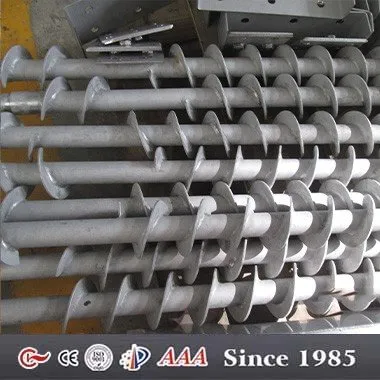

Double - screw loaders are often used in industries where high - volume material handling and mixing are required. In the plastics industry, they are used for compounding polymers and additives. The construction industry uses them for handling and mixing large volumes of cement, sand, and other aggregates. If you are interested in the core component Screw Conveyor Shaft, you can follow the link. Additionally, Weighing Screw Conveyors are also related to the double - screw technology and can be explored further through the given link.
Conclusion
In conclusion, the choice between single - screw and double - screw loaders depends on a variety of factors, including material handling capacity, mixing requirements, energy efficiency, maintenance needs, cost, and application. Single - screw loaders are a great option for small - scale operations with low - volume material handling requirements, while double - screw loaders are better suited for high - volume, complex material handling and mixing applications.
If you are in the process of selecting a screw loader for your industrial needs, I encourage you to reach out to us. Our team of experts can provide you with detailed information and guidance to help you make the right choice. Whether you need a single - screw or double - screw loader, we have the products and expertise to meet your requirements. Contact us today to start the purchasing and negotiation process.
References
- "Industrial Conveying Equipment Handbook" - A comprehensive guide on various types of conveyors, including screw loaders.
- "Materials Handling in the Manufacturing Industry" - A research paper that discusses the application and performance of different material handling equipment.