

Installing a silo unloader in an existing silo is a task that requires careful planning, technical knowledge, and the right equipment. As a leading supplier of Silo Unloaders, we understand the intricacies involved in this process and are here to guide you through every step. In this blog, we'll provide a comprehensive overview of how to install a silo unloader in an existing silo, ensuring a smooth and efficient operation.
Step 1: Assessment and Planning
Before you begin the installation process, it's crucial to conduct a thorough assessment of your existing silo. This includes evaluating the silo's size, shape, material, and the type of material it stores. Understanding these factors will help you determine the most suitable silo unloader for your needs.
- Silo Dimensions: Measure the diameter, height, and outlet size of the silo. These measurements will determine the size and capacity of the unloader you need.
- Material Characteristics: Consider the properties of the material stored in the silo, such as its density, flowability, and moisture content. Some materials may require specialized unloaders to ensure proper discharge.
- Space Availability: Evaluate the available space around the silo for the installation of the unloader. Ensure there is enough room for the equipment and for operators to access and maintain it.
Once you have completed the assessment, develop a detailed installation plan. This plan should include a timeline, a list of required tools and materials, and safety precautions.
Step 2: Selecting the Right Silo Unloader
Choosing the right silo unloader is essential for the success of your installation. There are several types of silo unloaders available, each designed for specific applications and materials.
- Mechanical Unloaders: These unloaders use mechanical means, such as screws or augers, to move the material out of the silo. They are suitable for a wide range of materials and are often used in industrial applications.
- Pneumatic Unloaders: Pneumatic unloaders use air pressure to transport the material from the silo. They are ideal for handling fine powders and are commonly used in the food, pharmaceutical, and chemical industries.
- Hydraulic Unloaders: Hydraulic unloaders use hydraulic power to operate the unloading mechanism. They are known for their high capacity and are often used in large-scale applications.
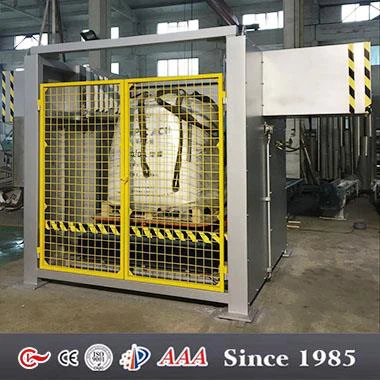
As a Silo Unloaders supplier, we offer a wide range of high-quality unloaders to meet your specific needs. Our Hybrid Silo Unloader Super Sack Unloading Station is a versatile solution that combines the benefits of mechanical and pneumatic unloading, while our Big Bag Unloading Station Bulk Bag Unloading is designed for efficient handling of bulk bags.
Step 3: Preparing the Silo
Before installing the silo unloader, you need to prepare the silo for the installation. This involves cleaning the silo, inspecting it for any damage or wear, and making any necessary repairs.
- Cleaning the Silo: Remove any remaining material from the silo using a vacuum or a cleaning device. This will prevent contamination and ensure a clean installation environment.
- Inspecting the Silo: Check the silo for any signs of damage, such as cracks, leaks, or corrosion. Repair any damage before proceeding with the installation.
- Preparing the Outlet: If the silo does not have an appropriate outlet for the unloader, you may need to cut or modify the outlet to fit the unloader. Ensure the outlet is clean and free of any debris.
Step 4: Installing the Silo Unloader
Once the silo is prepared, you can begin the installation of the silo unloader. Follow these steps to ensure a proper installation:
- Positioning the Unloader: Place the unloader in the desired location near the silo outlet. Ensure the unloader is level and securely positioned.
- Connecting the Unloader to the Silo: Attach the unloader to the silo outlet using the appropriate connectors and seals. Make sure the connection is tight and leak-proof.
- Installing the Power Supply: Connect the unloader to a suitable power source, such as an electrical outlet or a hydraulic system. Follow the manufacturer's instructions for proper wiring and grounding.
- Testing the Unloader: Before full operation, test the unloader to ensure it is functioning properly. Start the unloader and check for any abnormal noises, vibrations, or leaks.
Step 5: Commissioning and Training
After the installation is complete, commission the silo unloader to ensure it is operating at its optimal performance. This involves conducting a series of tests and adjustments to fine-tune the unloader.

- Performance Testing: Test the unloader under different operating conditions to evaluate its performance. Measure the discharge rate, power consumption, and other parameters to ensure they meet the specifications.
- Operator Training: Provide training to the operators on how to operate and maintain the silo unloader. This training should include safety procedures, operating instructions, and troubleshooting techniques.
Step 6: Maintenance and Support
Regular maintenance is essential to keep the silo unloader in good working condition and to prevent breakdowns. As a Silo Unloaders supplier, we offer comprehensive maintenance and support services to ensure the long-term reliability of your equipment.
- Scheduled Maintenance: Establish a regular maintenance schedule for the unloader. This should include inspections, lubrication, and replacement of worn parts.
- Emergency Support: In case of any breakdowns or emergencies, our team of experts is available 24/7 to provide prompt support and assistance.
Conclusion
Installing a silo unloader in an existing silo is a complex but rewarding process. By following the steps outlined in this blog and working with a trusted Silo Unloaders supplier, you can ensure a successful installation and a reliable operation of your silo unloader.
If you're interested in learning more about our silo unloaders or need assistance with the installation process, please don't hesitate to contact us. Our team of experts is ready to help you find the right solution for your needs and guide you through every step of the process.
References
- Perry, R. H., & Green, D. W. (1997). Perry's Chemical Engineers' Handbook. McGraw-Hill.
- ASME B30.20 - Safety Standard for Below-the-Hook Lifting Devices. American Society of Mechanical Engineers.