

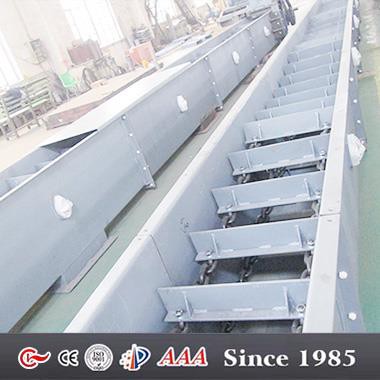
A drag conveyor is a crucial piece of equipment widely used in various industries, including agriculture, mining, and manufacturing. As a supplier of drag conveyors, understanding the monitoring parameters is essential for ensuring the efficient and reliable operation of these conveyors. In this blog post, I will introduce the key monitoring parameters of a drag conveyor and explain their importance.
1. Conveyor Speed
The conveyor speed is one of the most important parameters to monitor. It directly affects the throughput and efficiency of the drag conveyor. A consistent and appropriate speed is necessary to ensure that the material is conveyed at the desired rate without overloading the conveyor or causing spillage.
Monitoring the conveyor speed can be achieved through the use of sensors such as speed encoders. These sensors provide real - time data on the rotational speed of the conveyor drive shaft. If the speed deviates from the set value, it could indicate issues such as motor problems, belt slippage, or mechanical failures in the drive system. For example, a sudden drop in speed might suggest that the conveyor is overloaded with material or that there is a problem with the power supply to the motor. On the other hand, an increase in speed could lead to excessive wear on the conveyor components and potential safety hazards.
2. Motor Current
The motor current of the drag conveyor is another vital parameter to keep an eye on. The motor is the power source that drives the conveyor, and changes in the current can reflect the load on the conveyor and the health of the motor itself.
An abnormal increase in motor current often indicates that the conveyor is experiencing a higher - than - normal load. This could be due to blockages in the conveyor path, excessive material buildup, or mechanical resistance in the conveyor components. If the high current persists, it can cause overheating of the motor, leading to premature motor failure. Conversely, a significantly lower current than normal might suggest that the motor is not operating at its full capacity, which could be a sign of loose belts, damaged motor windings, or problems with the control system.
3. Temperature
Monitoring the temperature of various components of the drag conveyor is crucial for preventing premature failures and ensuring safe operation. Three main areas where temperature monitoring is important are the motor, bearings, and the conveyor housing in contact with the material.
- Motor Temperature: As mentioned earlier, excessive heat in the motor can damage its windings and reduce its lifespan. High motor temperatures can be caused by overloading, poor ventilation, or electrical problems. By continuously monitoring the motor temperature, we can detect potential issues early and take corrective actions such as adjusting the load or improving ventilation.
- Bearing Temperature: Bearings support the moving parts of the conveyor, such as the drive shaft and idlers. Elevated bearing temperatures can indicate insufficient lubrication, misalignment, or excessive wear. If the bearings overheat, they can fail suddenly, leading to a breakdown of the conveyor. Regular temperature checks of the bearings can help us identify problems before they cause serious damage.
- Conveyor Housing Temperature: In some applications, especially when transporting hot materials, the temperature of the conveyor housing can rise significantly. High housing temperatures can affect the structural integrity of the conveyor and pose a safety risk to nearby personnel. Monitoring the housing temperature allows us to ensure that the conveyor is operating within safe temperature limits.
4. Tension
Proper tension is essential for the smooth operation of a drag conveyor. In the case of chain - driven drag conveyors, maintaining the correct chain tension is crucial. Insufficient chain tension can lead to chain slippage, which can cause a loss of power transmission and inconsistent conveyor speed. It can also result in uneven wear on the chain and sprockets.
On the other hand, excessive chain tension can put additional stress on the conveyor components, such as the drive shaft and bearings. This can lead to premature wear and failure of these parts. Tension sensors can be used to monitor the chain tension in real - time. If the tension is outside the specified range, adjustments can be made to ensure optimal performance.
5. Material Level
Monitoring the material level in the drag conveyor is important for preventing overloading and ensuring efficient operation. In some conveyors, such as those used in grain handling, overloading can cause blockages and damage to the conveyor.
There are several methods to monitor the material level, including the use of level sensors. These sensors can be installed at different points along the conveyor to detect the height of the material. When the material level reaches a certain limit, the conveyor can be adjusted, for example, by reducing the feed rate or increasing the conveyor speed to prevent overloading. For applications in the agricultural industry, like the Grain Drag Conveyor Drag Chain Conveyor, accurate material level monitoring is crucial to ensure the proper handling of grains without causing damage to the conveyor.
6. Alignment
The alignment of the conveyor components, including the drive shaft, idlers, and chain, is critical for the smooth and efficient operation of the drag conveyor. Misalignment can cause uneven wear on the components, increased power consumption, and even damage to the conveyor structure.
Regular visual inspections and the use of alignment tools can help detect misalignment. If misalignment is detected, corrective actions such as realigning the components or adjusting the mounting bolts should be taken immediately. Failure to address misalignment issues can lead to premature breakdowns and costly repairs.
7. Noise and Vibration
Unusual noise and vibration can be early indicators of problems in a drag conveyor. Excessive noise may suggest issues such as loose parts, worn - out bearings, or contact between moving and stationary components. Vibration levels can also increase due to problems such as misalignment, unbalanced loads, or mechanical failures.

Installing vibration sensors and conducting regular noise inspections can help us detect these issues. By analyzing the frequency and amplitude of the vibration and the nature of the noise, we can identify the root cause of the problem and take appropriate corrective actions.
In conclusion, monitoring these parameters is essential for the reliable and efficient operation of a drag conveyor. As a drag conveyor supplier, we are committed to providing high - quality conveyors and comprehensive after - sales support. By closely monitoring these key parameters, we can ensure that our customers' conveyors operate at their best, minimize downtime, and reduce maintenance costs.
If you are interested in our drag conveyors or have any questions about conveyor monitoring, we welcome you to contact us to discuss your specific requirements. Our team of experts is ready to provide you with the best solutions for your material handling needs.
References
- Conveyor Equipment Manufacturers Association (CEMA). Conveyor Design Manual.
- ASME standards related to conveyor machinery.
- Technical literature from leading conveyor component manufacturers.