

What are the installation requirements for a screw feeder?
As a trusted screw feeder supplier, we understand the critical role that proper installation plays in ensuring the optimal performance and longevity of our products. A screw feeder is a versatile device used in various industries to convey and meter bulk materials accurately. Whether you're handling powders, granules, or pellets, adhering to the correct installation requirements is crucial for achieving the desired results. In this blog post, we will delve into the key installation considerations for screw feeders to help you make the most of your investment.
Site Preparation
Before installing a screw feeder, it's essential to prepare the installation site properly. The site should be level, stable, and able to support the weight of the feeder and the materials it will handle. Uneven surfaces can cause the feeder to vibrate, leading to premature wear and tear, inaccurate feeding, and potential safety hazards. Use a level to ensure that the surface is flat within the manufacturer's specified tolerance.
The installation area should also be clean and free of debris, dust, and other contaminants that could interfere with the feeder's operation. This is particularly important for applications where the material being fed is sensitive to contamination. Additionally, ensure that there is sufficient space around the feeder for maintenance, inspection, and access to control panels. Adequate clearance will also prevent any potential interference with other equipment or structures in the vicinity.
Mounting the Screw Feeder
There are several methods for mounting a screw feeder, and the choice depends on the specific application and the design of the feeder. The most common mounting options include floor mounting, wall mounting, and suspended mounting.
-
Floor Mounting: This is the most straightforward and stable mounting method. The screw feeder is secured to a flat, level floor using bolts or other suitable fasteners. When floor mounting, ensure that the mounting feet are properly aligned and tightened to prevent any movement during operation.
-
Wall Mounting: Wall mounting is suitable for applications where floor space is limited. The feeder is attached to a sturdy wall using brackets or mounting plates. The wall must be able to support the weight of the feeder and the forces generated during operation. It's important to use the appropriate hardware and follow the manufacturer's guidelines for wall mounting to ensure a secure installation.
-
Suspended Mounting: Suspended mounting is used when the feeder needs to be installed above a process or equipment. The feeder is hung from a ceiling or a support structure using chains, cables, or rods. When suspended mounting, ensure that the support structure is strong enough to bear the weight of the feeder and the materials it will carry. The suspension system should also be properly adjusted to maintain the feeder in a level position.
Electrical and Control Connections
Proper electrical and control connections are vital for the safe and efficient operation of a screw feeder. The feeder should be connected to a suitable power supply that meets the voltage, frequency, and amperage requirements specified by the manufacturer. Use appropriate electrical wiring and conduit to protect the cables from damage and ensure compliance with electrical codes.
The control panel of the screw feeder should be installed in a location that is easily accessible for operation and maintenance. Connect the control panel to the feeder's motor, sensors, and other components according to the manufacturer's wiring diagram. It's important to test the electrical connections and the control system thoroughly before starting the feeder to ensure that everything is functioning correctly.
In addition to the power and control connections, some screw feeders may require additional sensors or devices for monitoring and controlling the feeding process. These sensors can include level sensors, flow sensors, temperature sensors, etc. Ensure that these sensors are installed correctly and calibrated properly to provide accurate feedback and enable precise control of the feeder.
Inlet and Outlet Configuration
The inlet and outlet configuration of the screw feeder is another important consideration during installation. The inlet should be designed to allow the smooth flow of the material into the feeder without causing any blockages or bridging. The size and shape of the inlet should be compatible with the hopper or storage vessel that supplies the material.
The outlet of the screw feeder should be connected to the next process or equipment in the system. The connection should be secure and leak-proof to prevent material spillage. Consider the orientation and height of the outlet to ensure that the material is discharged smoothly and efficiently into the desired location.
For applications where the material needs to be fed into a pressurized system, a special outlet configuration may be required. This could involve the use of a rotary valve or a lock hopper to maintain the pressure differential and prevent backflow.
Alignment and Calibration
Proper alignment of the screw feeder is crucial for its smooth operation and accurate feeding. The screw should be aligned with the inlet and outlet ports to ensure that the material flows through the feeder without any obstruction. Use alignment tools and techniques to ensure that the screw is centered and parallel to the feeder housing.
Once the feeder is installed and aligned, it needs to be calibrated to ensure accurate feeding. Calibration involves adjusting the speed of the screw motor and the feeder's other control parameters to achieve the desired feed rate. The calibration process should be carried out using a known quantity of the material being fed and a suitable measuring device. Follow the manufacturer's instructions for calibration carefully to ensure accurate and consistent results.
Maintenance and Safety Considerations
After the screw feeder is installed, it's important to establish a regular maintenance schedule to keep it in good working condition. This includes cleaning the feeder regularly to prevent the buildup of material, inspecting the components for wear and tear, and lubricating the moving parts as recommended by the manufacturer.
Safety is also a top priority when installing and operating a screw feeder. Ensure that all safety guards and devices are in place and functioning properly. Provide appropriate training to the operators on how to use the feeder safely and how to respond to any potential emergencies.

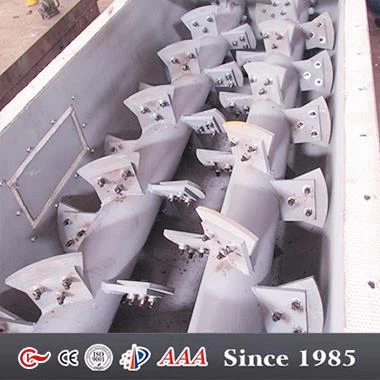
As a screw feeder supplier, we offer a wide range of products to meet your specific needs. Our Small Auger Feeders Screw Feeders are ideal for applications where space is limited, while our Twin Screw Feeder Feed Conveyor System provides high-capacity and precise feeding.
If you're interested in learning more about our screw feeders or would like to discuss your specific requirements, please feel free to contact us. Our team of experts is ready to assist you with the selection, installation, and maintenance of your screw feeder. We look forward to helping you achieve your feeding goals.
References
- Product manuals and technical specifications provided by the screw feeder manufacturer.
- Industry standards and guidelines for the installation and operation of bulk material handling equipment.