

As a seasoned supplier of screw loaders, I understand the critical importance of monitoring these essential pieces of equipment. Screw loaders, which are widely used in various industries such as agriculture, mining, and manufacturing, play a vital role in transporting bulk materials efficiently. Ensuring their proper functioning not only guarantees smooth operations but also enhances safety and reduces maintenance costs. In this blog post, I will discuss several effective monitoring methods for screw loaders.
1. Visual Inspection
Visual inspection is the most basic yet crucial monitoring method for screw loaders. Regularly examining the equipment allows operators to detect obvious signs of wear, damage, or misalignment. For instance, checking the screw blades for cracks, bends, or excessive wear can prevent potential breakdowns. Inspecting the housing for leaks, dents, or loose connections is also essential to maintain the integrity of the loader.
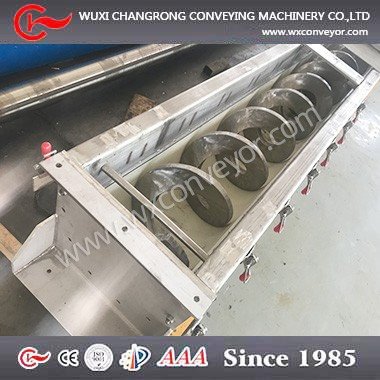

During a visual inspection, it is important to look for any abnormal vibrations or noises. Unusual vibrations may indicate misalignment of the screw shaft or an imbalance in the rotating components. Strange noises could be a sign of bearing failure, loose parts, or material jams. By addressing these issues promptly, operators can avoid costly repairs and downtime.
2. Temperature Monitoring
Monitoring the temperature of key components in a screw loader is another effective way to ensure its proper operation. High temperatures can indicate excessive friction, overloading, or lubrication problems. For example, monitoring the temperature of the bearings can help detect early signs of wear or insufficient lubrication. If the bearing temperature exceeds the recommended limit, it could lead to premature failure and potentially cause the entire screw loader to malfunction.
There are several methods for temperature monitoring. Infrared thermometers can be used to measure the surface temperature of components quickly and non - intrusively. Temperature sensors can also be installed directly on critical parts such as bearings or motors to provide continuous temperature data. This data can be monitored in real - time, allowing operators to take corrective actions before a serious problem occurs.
3. Vibration Analysis
Vibration analysis is a powerful tool for detecting mechanical problems in screw loaders. Every machine has a characteristic vibration signature, and any deviation from this normal pattern can indicate a problem. For example, increased vibration levels may be caused by misaligned shafts, worn bearings, or unbalanced rotating parts.
To perform vibration analysis, accelerometers are typically installed on the screw loader. These sensors measure the vibration levels and frequencies of the machine. The data collected by the accelerometers is then analyzed using specialized software. By comparing the current vibration data with the baseline data, operators can identify potential problems and schedule maintenance accordingly.
4. Load Monitoring
Monitoring the load on a screw loader is essential to prevent overloading, which can cause damage to the equipment and reduce its lifespan. Overloading can lead to excessive stress on the screw shaft, motor, and other components, increasing the risk of mechanical failure.
There are several ways to monitor the load on a screw loader. One method is to use load cells. Load cells can be installed at the support points of the screw loader to measure the weight of the material being transported. This data can be used to ensure that the loader is operating within its designed capacity. Another approach is to monitor the motor current. An increase in motor current may indicate that the loader is working harder than normal, possibly due to overloading or a blockage in the material flow.
5. Material Flow Monitoring
Ensuring a consistent and smooth material flow is crucial for the efficient operation of a screw loader. Blockages or uneven material flow can cause the loader to work inefficiently, increase wear on the components, and potentially lead to breakdowns.
To monitor the material flow, various sensors can be used. For example, level sensors can be installed in the hopper to detect the amount of material available. Flow sensors can be used to measure the rate of material flow through the screw loader. By monitoring these parameters, operators can adjust the speed of the screw loader or take other corrective actions to maintain a proper material flow.
The Importance of Monitoring in Our Screw Loaders
At our company, we are committed to providing high - quality screw loaders that are reliable and efficient. We understand that proper monitoring is essential to ensure the long - term performance of our products. That's why we offer screw loaders that are designed to be easily monitored using the methods mentioned above.
Our Pipe Screw Conveyor is a popular choice for many industries. It is designed with high - quality materials and precision engineering to ensure smooth material transportation. With proper monitoring, our pipe screw conveyors can operate continuously for long periods without major issues.
Our Stainless Steel Trough Screw Feeders are another excellent option. Made from durable stainless steel, these feeders are resistant to corrosion and wear. Monitoring the performance of these feeders can help customers maximize their efficiency and reduce maintenance costs.
Our Durable Screw Feeders are built to last. They are designed to handle heavy loads and harsh operating conditions. By using the monitoring methods described in this blog post, customers can ensure that these screw feeders continue to perform at their best.
Contact Us for Your Screw Loader Needs
If you are in the market for high - quality screw loaders and want to ensure their reliable operation through effective monitoring, we are here to help. Our team of experts can provide you with detailed information about our products and the best monitoring solutions for your specific needs. Whether you are in the agriculture, mining, or manufacturing industry, we have the right screw loader for you. Contact us today to start a discussion about your requirements and explore how our products can enhance your operations.
References
- Doebelin, E. O. (2003). Measurement Systems: Application and Design. McGraw - Hill.
- Harris, T. A. (2001). Rolling Bearing Analysis. Wiley.
- Mobley, R. K. (2002). Vibration Analysis for Machinery Maintenance and Predictive Maintenance. Gulf Publishing Company.