

Hey there! As a supplier of drag conveyors, I often get asked about the installation requirements for these nifty machines. Drag conveyors are super useful in various industries, from agriculture to manufacturing, for moving all sorts of materials like grains, powders, and even small parts. So, let's dive right into what you need to know when it comes to installing a drag conveyor.
Site Preparation
First things first, site preparation is crucial. You need to have a solid and level foundation for your drag conveyor. If the ground isn't level, it can cause the conveyor to operate unevenly, leading to premature wear and tear on the components. You might need to do some grading or use shims to ensure the conveyor is sitting flat.
Also, make sure there's enough space around the conveyor for installation, operation, and maintenance. You don't want to be cramped when it's time to work on the conveyor or make adjustments. Measure the area carefully and plan accordingly. Clear any debris or obstacles that could get in the way during installation.
Electrical Requirements
Drag conveyors usually run on electricity, so you need to have the right electrical setup. Check the power requirements of the conveyor you're installing. This includes the voltage, amperage, and phase. Make sure your electrical supply can handle the load.
You'll also need to have proper wiring and grounding. Faulty wiring can not only damage the conveyor but also pose a safety hazard. It's always a good idea to have a qualified electrician handle the electrical installation to ensure everything is up to code.
Mechanical Installation
Now, let's talk about the actual mechanical installation of the drag conveyor. Start by assembling the conveyor sections according to the manufacturer's instructions. This usually involves bolting the sections together and aligning them properly.
Pay close attention to the chain and sprocket installation. The chain needs to be properly tensioned to ensure smooth operation. If the chain is too loose, it can slip off the sprockets, and if it's too tight, it can put excessive stress on the components. Use the appropriate tools to adjust the tension as needed.
The bearings are another critical part of the drag conveyor. Make sure they are properly lubricated and installed in the correct position. Poorly installed bearings can lead to increased friction and premature failure.
Alignment
Alignment is key when it comes to drag conveyor installation. The conveyor needs to be aligned both horizontally and vertically. Misalignment can cause the chain to wear unevenly, increase power consumption, and even lead to conveyor jams.
Use alignment tools like laser alignment devices to ensure the conveyor is perfectly straight. Check the alignment at multiple points along the length of the conveyor to make sure there are no bends or twists.
Safety Features
Safety should always be a top priority when installing a drag conveyor. Install all the necessary safety guards and covers to protect operators from moving parts. This includes guards around the chain, sprockets, and motors.
Make sure there are emergency stop buttons easily accessible along the conveyor. These buttons can quickly shut down the conveyor in case of an emergency, preventing accidents and injuries.
Testing and Commissioning
Once the drag conveyor is installed, it's time to test it. Start with a dry run without any material on the conveyor. Check for any unusual noises, vibrations, or movements. Make any necessary adjustments to the chain tension, alignment, or electrical settings.
After the dry run, gradually introduce the material to the conveyor. Monitor the operation closely to ensure the conveyor is handling the material properly. Check for any signs of blockages or spillage.

Additional Considerations for Grain Drag Conveyors
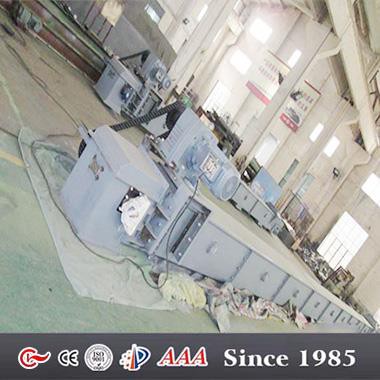
If you're dealing with a Grain Drag Conveyor Drag Chain Conveyor, there are some additional considerations. Grain can be abrasive, so you need to make sure the conveyor components are made of materials that can withstand the wear.
The conveyor also needs to be designed to prevent grain damage. This means having smooth surfaces and gentle curves to avoid crushing or breaking the grains.
Maintenance Plan
Finally, it's important to have a maintenance plan in place. Regular maintenance can extend the lifespan of your drag conveyor and keep it operating efficiently. This includes tasks like lubrication, chain tension checks, and component inspections.
Keep a record of all maintenance activities, including the date, what was done, and any issues that were identified. This can help you track the performance of the conveyor over time and plan for future maintenance.
Conclusion
Installing a drag conveyor requires careful planning and attention to detail. By following these installation requirements, you can ensure that your conveyor operates smoothly and efficiently for years to come.
If you're in the market for a drag conveyor or have any questions about installation, don't hesitate to reach out. We're here to help you find the right conveyor for your needs and ensure a successful installation.
References
- Manufacturer's installation manuals
- Industry standards and guidelines for conveyor installation