

Disassembling and reassembling a silo hopper is a task that requires careful planning, technical knowledge, and adherence to safety protocols. As a leading silo hopper supplier, we understand the importance of providing our customers with the information they need to handle these processes effectively. In this blog post, we will guide you through the steps of disassembling and reassembling a silo hopper, ensuring that you can perform these tasks safely and efficiently.
Pre - Disassembly Preparations
Before you start the disassembly process, it is crucial to conduct a thorough inspection of the silo hopper. Check for any signs of damage, corrosion, or wear and tear. Make a detailed inventory of all the components, including bolts, nuts, and other fasteners. This will help you keep track of everything during the disassembly and reassembly phases.
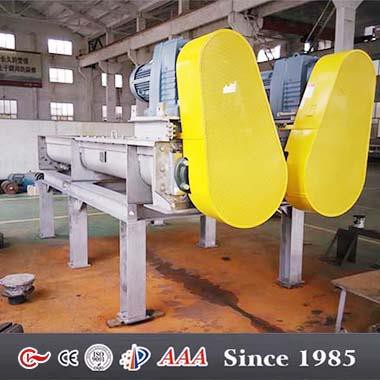

Safety is of utmost importance. Ensure that all personnel involved in the process are wearing appropriate personal protective equipment (PPE), such as hard hats, safety glasses, and work gloves. Shut down all power sources connected to the silo hopper, including motors and control systems. Lock out and tag out the power sources to prevent accidental startup.
Disassembly Process
- Empty the Silo Hopper
- Completely empty the silo hopper of all its contents. This is essential not only for safety reasons but also to prevent spillage during the disassembly process. Use appropriate equipment, such as Screw Conveyors with Hopper Volumetric Feeder, to transfer the materials out of the hopper.
- Remove External Components
- Start by removing any external components attached to the silo hopper. This may include sensors, access doors, and inspection ports. Carefully label each component and its corresponding location to ensure easy reassembly later.
- Detach the Hopper from the Silo
- If the hopper is attached to a larger silo structure, use the appropriate tools to detach it. This may involve loosening bolts or removing welding joints, depending on the type of connection. Be cautious when handling the hopper during this step, as it can be heavy and unwieldy.
- Disassemble the Hopper Itself
- Once the hopper is detached, begin disassembling it into smaller components. This may include separating the cone - shaped part from the cylindrical part, if applicable. Keep all the parts organized and grouped together. For example, place all the bolts in one container and all the larger structural parts in another.
Transportation and Storage
After disassembly, it is important to transport and store the components properly. Use suitable packaging materials to protect the parts from damage during transportation. If the components need to be stored for an extended period, choose a dry, clean, and secure storage area. You can use pallets to stack the parts and prevent them from coming into contact with the ground, which can cause corrosion.
Reassembly Process
- Inspect the Components
- Before starting the reassembly, carefully inspect all the components again. Check for any damage that may have occurred during transportation or storage. Replace any damaged parts as necessary.
- Reassemble the Hopper
- Begin by putting the hopper components back together. Follow the reverse order of the disassembly process. Make sure all the parts are properly aligned and tightened. Use the correct torque values for the bolts and nuts to ensure a secure connection.
- Attach the Hopper to the Silo
- Once the hopper is fully assembled, attach it to the silo structure. Again, ensure proper alignment and use the appropriate fasteners. Double - check all the connections to make sure they are tight and secure.
- Reinstall External Components
- Reinstall all the external components, such as sensors, access doors, and inspection ports. Test the functionality of these components to ensure they are working properly.
Testing and Commissioning
After reassembly, it is essential to conduct a series of tests to ensure the silo hopper is functioning correctly. Start with a visual inspection to check for any obvious signs of misalignment or loose connections. Then, perform a functional test by filling the hopper with a small amount of material and running the associated equipment, such as the Screw Conveyors with Hopper Volumetric Feeder.
Check for any leaks, abnormal noises, or vibrations. If any issues are detected, address them immediately before proceeding with full - scale operation.
Considerations for Different Types of Silo Hoppers
There are various types of silo hoppers available in the market, such as Bulk Storage Silos and Small Cement Silo. Each type may have specific requirements during disassembly and reassembly.
For example, bulk storage silos may be larger and more complex, requiring more advanced equipment and techniques for disassembly and reassembly. Small cement silos, on the other hand, may need to be more carefully cleaned to prevent cement residue from causing problems during reassembly.
Conclusion
Disassembling and reassembling a silo hopper is a complex but manageable process. By following the steps outlined in this blog post and taking the necessary safety precautions, you can ensure a successful disassembly and reassembly. As a silo hopper supplier, we are committed to providing high - quality products and the support you need for any related tasks.
If you are in the market for a new silo hopper or need assistance with disassembly, reassembly, or any other aspect of your silo hopper system, we encourage you to reach out to us. Our team of experts is ready to help you with your specific needs and ensure that you get the most out of your silo hopper investment.
References
- Industry standards for silo hopper design and maintenance
- Manufacturer's manuals for silo hopper products