

In the realm of modern agriculture, efficiency and reliability are paramount. One technology that has significantly contributed to achieving these goals is the drag conveyor. As a leading supplier of drag conveyors, I've witnessed firsthand the diverse and impactful applications of this equipment in the agricultural sector. In this blog post, I'll explore the various ways drag conveyors are used in agriculture and how they can enhance productivity and streamline operations.

Grain Handling
One of the most common applications of drag conveyors in agriculture is grain handling. Grains such as wheat, corn, rice, and soybeans are staple crops that require efficient transportation and storage. Drag conveyors are ideal for this task because they can move large quantities of grain over long distances with minimal spillage and damage.
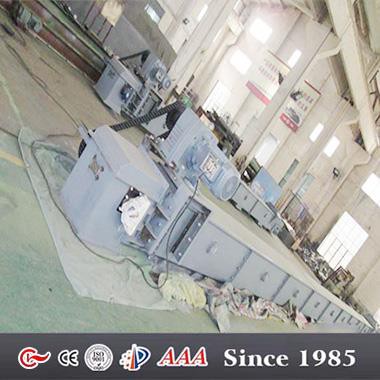
Grain drag conveyors are typically used in grain elevators, silos, and processing plants. They can be installed horizontally, vertically, or at an incline, depending on the layout of the facility. The conveyor consists of a chain or belt with attached flights that drag the grain along the trough. The flights are designed to prevent the grain from slipping back, ensuring a continuous flow of material.
The Grain Drag Conveyor Drag Chain Conveyor is a popular choice for grain handling applications. It is a robust and reliable conveyor system that can handle a variety of grain types and sizes. The conveyor is designed to minimize dust and spillage, making it a clean and efficient solution for grain transportation.
Fertilizer and Chemical Handling
In addition to grain handling, drag conveyors are also used for transporting fertilizers and chemicals in agriculture. Fertilizers and chemicals are essential for crop growth and protection, but they can be hazardous if not handled properly. Drag conveyors provide a safe and efficient way to move these materials from storage to application equipment.
Drag conveyors can be used to transport dry fertilizers, such as ammonium nitrate, urea, and potassium chloride, as well as liquid fertilizers and pesticides. They are typically made of corrosion-resistant materials, such as stainless steel or plastic, to prevent chemical damage. The conveyor can be designed with special features, such as sealed troughs and dust collection systems, to minimize the risk of exposure to harmful chemicals.
Livestock Feed Handling
Another important application of drag conveyors in agriculture is livestock feed handling. Livestock, such as cattle, pigs, and poultry, require a constant supply of feed to maintain their health and productivity. Drag conveyors are used to transport feed from storage bins to feeding troughs or silos.
Feed drag conveyors are designed to handle a variety of feed types, including grains, pellets, and mash. They can be installed in barns, feedlots, and poultry houses, and can be customized to fit the specific needs of the operation. The conveyor can be equipped with sensors and controls to ensure accurate feeding and prevent overfeeding.
Manure Handling
Manure management is a critical aspect of agriculture, as it can have a significant impact on the environment and animal health. Drag conveyors are used to transport manure from animal housing to storage or treatment facilities.
Manure drag conveyors are designed to handle the high moisture content and sticky nature of manure. They are typically made of heavy-duty materials, such as steel or plastic, and are equipped with special flights and troughs to prevent clogging. The conveyor can be installed underground or above ground, depending on the layout of the farm.
Bulk Material Handling
In addition to the specific applications mentioned above, drag conveyors are also used for general bulk material handling in agriculture. They can be used to transport a variety of materials, such as hay, straw, wood chips, and gravel.
Bulk material drag conveyors are designed to handle large volumes of material with minimal maintenance. They can be installed in a variety of configurations, including straight runs, curves, and inclines. The conveyor can be equipped with a variety of accessories, such as hoppers, chutes, and gates, to enhance its functionality.
Benefits of Using Drag Conveyors in Agriculture
There are several benefits to using drag conveyors in agriculture. Some of the key benefits include:
- Efficiency: Drag conveyors can move large quantities of material quickly and efficiently, reducing labor costs and increasing productivity.
- Reliability: Drag conveyors are designed to be durable and reliable, with minimal maintenance requirements. They can operate continuously for long periods of time without downtime.
- Versatility: Drag conveyors can be used to transport a variety of materials, including grains, fertilizers, chemicals, livestock feed, manure, and bulk materials. They can be installed in a variety of configurations to fit the specific needs of the operation.
- Safety: Drag conveyors are designed to be safe to operate, with features such as guards, sensors, and controls to prevent accidents. They can also be used to minimize the risk of exposure to harmful chemicals and dust.
Conclusion
In conclusion, drag conveyors are a versatile and reliable solution for a variety of agricultural applications. Whether you're handling grains, fertilizers, livestock feed, manure, or bulk materials, a drag conveyor can help you streamline your operations and increase productivity. As a supplier of drag conveyors, I'm committed to providing high-quality products and excellent customer service. If you're interested in learning more about our drag conveyors or have any questions, please don't hesitate to contact us. We'd be happy to discuss your specific needs and provide you with a customized solution.
References
- ASABE Standards. (2020). Agricultural Equipment and Structures. American Society of Agricultural and Biological Engineers.
- Hall, C. A. S., & Pimentel, D. (2008). The energy cost of nitrogen fertilizer production for U.S. corn. Renewable Agriculture and Food Systems, 23(1), 1-10.
- National Research Council. (2003). Nutrient Requirements of Swine. National Academies Press.
- USDA-NASS. (2020). Agricultural Statistics. United States Department of Agriculture, National Agricultural Statistics Service.