

In the field of waste management, the choice of appropriate equipment can significantly impact the efficiency, cost - effectiveness, and environmental friendliness of the entire process. Among the various types of conveyors available, the drag conveyor stands out as a highly advantageous option. As a supplier of drag conveyors, I have witnessed firsthand the numerous benefits they bring to waste management operations.
1. High - Capacity Material Handling
One of the primary advantages of using a drag conveyor in waste management is its ability to handle large volumes of waste materials. Drag conveyors are designed with a chain and flight system that can move substantial amounts of waste, whether it is solid waste, sludge, or even semi - liquid waste. The flight design allows for efficient scooping and transporting of the waste along the conveyor trough. For example, in a municipal waste treatment plant, where tons of garbage are collected daily, a drag conveyor can continuously transport the waste from collection points to sorting or processing areas without interruption. This high - capacity handling ensures that the waste management process can keep up with the large inflow of waste, reducing the risk of pile - ups and bottlenecks.
2. Versatility in Waste Types
Drag conveyors are incredibly versatile when it comes to the types of waste they can handle. They can transport dry waste such as paper, cardboard, plastics, and wood chips. These materials can vary greatly in size, shape, and density, but the drag conveyor's robust design can manage them all. Additionally, drag conveyors are also suitable for handling wet and sticky waste, like food waste and sewage sludge. The chain and flight mechanism can effectively move these materials without getting clogged, which is a common problem with some other types of conveyors. For instance, in a food processing waste management facility, a drag conveyor can handle the wet and often sticky by - products of food production, transporting them to the appropriate treatment or disposal areas. The versatility of drag conveyors makes them a valuable asset in any waste management system that deals with a diverse range of waste materials.
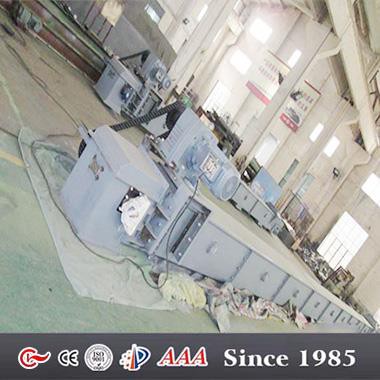

3. Durability and Low Maintenance
Drag conveyors are built to last. They are constructed with heavy - duty materials such as high - strength steel chains and wear - resistant flights. These components are designed to withstand the harsh conditions often associated with waste management, including abrasion from rough waste materials, exposure to moisture, and potential chemical corrosion. Compared to other types of conveyors, drag conveyors require relatively low maintenance. The simple design of the chain and flight system means that there are fewer moving parts that can break down. Routine maintenance typically involves checking the chain tension, lubricating the chain, and inspecting the flights for wear. This low - maintenance requirement translates into reduced downtime and lower operating costs for waste management facilities. For example, a landfill site using a drag conveyor to transport waste from the tipping area to the landfill cells can rely on the conveyor's durability to operate continuously with minimal interruptions for maintenance.
4. Customizable Design
Another significant advantage of drag conveyors is their customizable design. As a drag conveyor supplier, I understand that each waste management facility has unique requirements. Drag conveyors can be tailored to fit the specific layout and needs of a particular site. They can be designed in various lengths, widths, and configurations, including horizontal, inclined, and vertical arrangements. For example, in a multi - level waste processing plant, a vertical drag conveyor can be used to transport waste from the ground floor to upper - level processing areas. Additionally, the flight design can be customized to optimize the handling of different types of waste. Some flights can be designed with special shapes or materials to better grip and move specific waste materials. This customizability ensures that the drag conveyor can be integrated seamlessly into any waste management system, improving overall efficiency.
5. Space Efficiency
In waste management facilities, space is often at a premium. Drag conveyors are known for their space - efficient design. They can be installed in areas with limited floor space, as they can be configured to run along walls or in narrow corridors. Unlike some other conveyors that require large open areas for operation, drag conveyors can be designed to fit into tight spaces. For example, in a waste transfer station where space is restricted, a drag conveyor can be used to move waste from the collection trucks to the storage areas without taking up excessive floor space. This space - saving feature allows waste management facilities to make the most of their available space and potentially reduce the need for expensive facility expansions.
6. Safety
Safety is a top priority in waste management. Drag conveyors offer several safety features that make them a reliable choice for waste handling. The enclosed trough design of drag conveyors helps to contain the waste, preventing it from spilling onto the floor and reducing the risk of slips, trips, and falls. Additionally, the slow - moving chain and flight system reduces the risk of entanglement compared to some high - speed conveyors. Many drag conveyors are also equipped with safety guards and emergency stop buttons to ensure the safety of workers. For example, in a waste recycling plant, where workers are often in close proximity to the conveyor, the safety features of the drag conveyor can help prevent accidents and create a safer working environment.
7. Cost - Effectiveness
From an economic perspective, drag conveyors are a cost - effective solution for waste management. Their initial purchase cost is often lower compared to some more complex conveyor systems. Moreover, as mentioned earlier, their low maintenance requirements result in long - term cost savings. The high - capacity handling and energy - efficient operation of drag conveyors also contribute to cost - effectiveness. For example, a waste management company can save on labor costs by using a drag conveyor to automate the waste transportation process. Additionally, the energy consumption of drag conveyors is relatively low, which can lead to significant savings on electricity bills over time.
8. Environmental Benefits
In today's environmentally conscious world, waste management facilities are constantly looking for ways to reduce their environmental impact. Drag conveyors can contribute to this goal. By efficiently transporting waste, they can help to minimize the need for additional transportation methods, which often rely on fossil fuels. This reduction in transportation can lead to lower greenhouse gas emissions. Additionally, the enclosed design of drag conveyors helps to prevent the release of dust and odors into the environment, improving air quality in and around the waste management facility. For example, in a waste incineration plant, a drag conveyor can transport the waste from the storage area to the incinerator in a closed system, reducing the release of harmful pollutants into the air.
As a drag conveyor supplier, I am committed to providing high - quality drag conveyors that can bring these advantages to waste management facilities. Our Grain Drag Conveyor Drag Chain Conveyor is a prime example of our innovative and reliable products. If you are in the waste management industry and are looking for a conveyor solution that can improve your operations, I encourage you to reach out to us. We can work with you to design a custom - made drag conveyor that meets your specific needs. Whether you need to handle large volumes of waste, deal with diverse waste types, or optimize your space utilization, our drag conveyors can provide the solution you are looking for. Contact us today to start a conversation about how our drag conveyors can enhance your waste management processes.
References
- [Author Last Name, First Name]. (Year). [Title of Book]. [Publisher].
- [Author Last Name, First Name]. (Year). [Title of Article]. [Journal Name], [Volume Number]([Issue Number]), [Page Range].
- [Organization Name]. (Year). [Title of Report]. [Report Number]. [Publication City, State: Publisher].