

When it comes to industrial operations involving the handling of bulk materials, silo unloaders play a crucial role. One common question that often arises among potential buyers is whether a silo unloader requires a lot of space. As a supplier of silo unloaders, I've encountered this query numerous times, and in this blog post, I'll delve into the factors that determine the space requirements of a silo unloader and provide insights to help you make an informed decision.
Understanding Silo Unloaders
Before we discuss the space requirements, let's briefly understand what a silo unloader is and how it functions. A silo unloader is a specialized equipment designed to discharge bulk materials from silos efficiently. These materials can range from grains, powders, and granules to other bulk commodities used in various industries such as agriculture, food processing, chemical, and construction.
There are different types of silo unloaders available in the market, each with its own unique design and operating principle. Some common types include screw unloaders, pneumatic unloaders, and gravity unloaders. The choice of silo unloader depends on several factors such as the type of material, the capacity of the silo, and the specific requirements of the application.

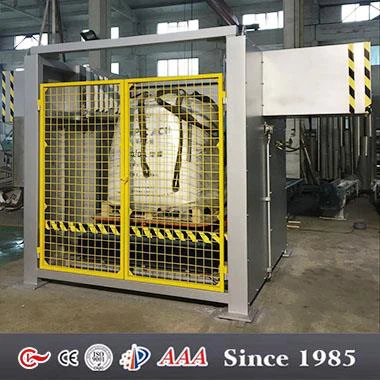
Factors Affecting Space Requirements
The space requirements of a silo unloader can vary significantly depending on several factors. Let's take a closer look at some of the key factors that influence the amount of space needed for a silo unloader:
1. Type of Silo Unloader
As mentioned earlier, different types of silo unloaders have different space requirements. For example, screw unloaders typically require more space compared to pneumatic unloaders. This is because screw unloaders have a larger physical footprint due to the presence of the screw conveyor, which is used to transport the material from the silo to the discharge point. On the other hand, pneumatic unloaders use air pressure to convey the material, which allows for a more compact design and requires less space.
2. Silo Size and Capacity
The size and capacity of the silo also play a significant role in determining the space requirements of the unloader. Larger silos with higher capacities generally require larger unloaders, which in turn need more space for installation and operation. Additionally, the layout of the silo, such as its height, diameter, and the number of discharge points, can also affect the space needed for the unloader.
3. Discharge Method
The method of discharging the material from the silo can also impact the space requirements. Some silo unloaders discharge the material directly into a receiving container or conveyor, while others require additional equipment such as hoppers or conveyors to transfer the material to the next stage of the process. The presence of these additional components can increase the overall space requirements of the system.
4. Operating Environment
The operating environment in which the silo unloader will be installed is another important factor to consider. If the unloader is installed in a confined space or a location with limited access, it may require a more compact design or a customized solution to fit the available space. Additionally, factors such as temperature, humidity, and the presence of dust or other contaminants can also affect the performance and durability of the unloader, which may require additional space for maintenance and servicing.
Assessing Space Requirements
To accurately assess the space requirements of a silo unloader, it is recommended to consult with a professional silo unloader supplier. A reputable supplier will have the expertise and experience to evaluate your specific requirements and recommend the most suitable unloader for your application. They will also be able to provide detailed information about the space requirements, including the dimensions of the unloader, the clearance needed for installation and operation, and any additional space requirements for auxiliary equipment.
During the assessment process, the supplier will typically consider the following factors:
- Silo specifications: The size, capacity, and layout of the silo will be carefully analyzed to determine the appropriate size and type of unloader.
- Material characteristics: The properties of the material being handled, such as its flowability, density, and particle size, will be taken into account to ensure that the unloader can handle the material effectively.
- Process requirements: The specific requirements of the process, such as the discharge rate, the destination of the material, and any additional processing steps, will be considered to ensure that the unloader can meet the production needs.
- Available space: The physical space available for the installation of the unloader, including the floor area, height clearance, and access points, will be measured and evaluated to determine the feasibility of the installation.
Space-Saving Solutions
In some cases, space constraints may be a significant concern. However, there are several space-saving solutions available that can help you install a silo unloader in a limited space. Here are some examples:
1. Compact Design
Many modern silo unloaders are designed with a compact footprint to minimize the space requirements. These unloaders often feature innovative designs and advanced technologies that allow for efficient operation in a smaller area. For example, some screw unloaders are designed with a vertical screw conveyor, which takes up less floor space compared to a traditional horizontal screw conveyor.
2. Modular Design
Modular silo unloaders are another option for saving space. These unloaders are designed to be assembled in sections, which allows for easy installation and customization. The modular design also makes it possible to relocate or expand the unloader in the future if needed.
3. Integrated Systems
Integrating the silo unloader with other equipment, such as conveyors, hoppers, and storage bins, can also help to save space. By combining multiple functions into a single system, you can reduce the overall footprint of the equipment and improve the efficiency of the process.
Conclusion
In conclusion, the space requirements of a silo unloader depend on several factors, including the type of unloader, the size and capacity of the silo, the discharge method, and the operating environment. While some silo unloaders may require a significant amount of space, there are also many space-saving solutions available that can help you install an unloader in a limited space.
As a silo unloader supplier, we understand the importance of finding the right solution for your specific needs. Our team of experts can work with you to assess your requirements, recommend the most suitable unloader, and provide you with detailed information about the space requirements. We also offer a range of space-saving solutions to help you optimize your operations and make the most of your available space.
If you're interested in learning more about our Hybrid Silo Unloader Super Sack Unloading Station or Big Bag Unloading Station Bulk Bag Unloading, or if you have any questions about the space requirements of a silo unloader, please don't hesitate to contact us. We're here to help you find the best solution for your business.
References
- "Bulk Material Handling Handbook" by Peter W. Millard
- "Silo Design and Operation" by The Cement Industry Technical Association
- "Industrial Equipment for Bulk Solids Handling" by Klaus Schwedes