

As a seasoned supplier of drag conveyors, I understand the significance of these robust machines in various industries. Drag conveyors are widely used for transporting bulk materials such as grains, coal, and aggregates. However, like any mechanical equipment, they may encounter issues over time that require proper repair and maintenance. In this blog post, I will share some valuable insights on how to repair a drag conveyor effectively.
Understanding the Basics of a Drag Conveyor
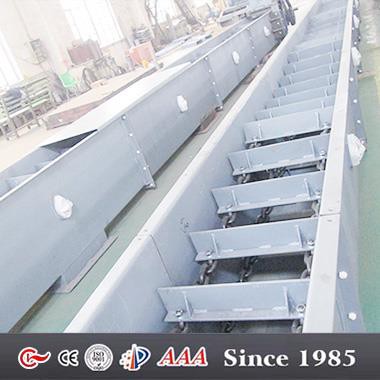
Before diving into the repair process, it's essential to have a clear understanding of how a drag conveyor works. A drag conveyor consists of a chain or belt with attached flights that move through a trough, dragging the material along. The key components include the chain or belt, flights, sprockets, bearings, and the trough itself.
Common Issues and Their Causes
- Chain or Belt Wear: One of the most common problems in drag conveyors is chain or belt wear. This can be caused by excessive tension, improper lubrication, or the presence of abrasive materials. Over time, the chain or belt may stretch or develop weak spots, leading to reduced performance and potential breakage.
- Flight Damage: Flights can get damaged due to impact with hard objects or excessive stress. Bent or broken flights can disrupt the material flow and cause blockages in the conveyor.
- Sprocket Wear: Sprockets are crucial for transferring power from the motor to the chain or belt. Wear on the sprocket teeth can lead to chain slippage and uneven movement of the conveyor.
- Bearing Failure: Bearings support the rotating components of the conveyor. If they are not properly lubricated or are subjected to high loads, they can fail, resulting in increased friction and potential damage to other parts.
- Trough Damage: The trough can be damaged by abrasion, corrosion, or impact. Holes or cracks in the trough can cause material leakage and affect the overall efficiency of the conveyor.
Step-by-Step Repair Process
1. Inspection
The first step in repairing a drag conveyor is to conduct a thorough inspection. This involves visually examining all the components for signs of wear, damage, or misalignment. Check the chain or belt for any signs of stretching, broken links, or excessive wear. Inspect the flights for damage and ensure they are properly attached to the chain or belt. Examine the sprockets for tooth wear and check the bearings for smooth rotation. Also, look for any damage to the trough, such as holes or cracks.
2. Cleaning
Once the inspection is complete, clean the conveyor thoroughly. Remove any accumulated material, debris, or dirt from the chain or belt, flights, sprockets, and trough. Use a suitable cleaning agent and a brush to ensure a thorough cleaning. This will not only improve the appearance of the conveyor but also help in identifying any hidden damage.
3. Chain or Belt Replacement
If the chain or belt is severely worn or damaged, it may need to be replaced. Measure the length of the chain or belt to ensure you get the correct replacement. When installing the new chain or belt, make sure it is properly tensioned. Follow the manufacturer's guidelines for the correct tensioning procedure. Over-tightening can cause excessive wear on the chain or belt and other components, while under-tightening can lead to slippage.
4. Flight Repair or Replacement
For damaged flights, you can either repair them if the damage is minor or replace them if they are severely bent or broken. If repairing, use appropriate tools to straighten the flights and reattach them securely to the chain or belt. When replacing flights, ensure they are of the correct size and type for your conveyor.
5. Sprocket Replacement
If the sprocket teeth are worn beyond the acceptable limit, replace the sprockets. Make sure to choose sprockets that are compatible with your chain or belt. During installation, align the sprockets properly to ensure smooth operation of the conveyor.

6. Bearing Replacement
If a bearing has failed, replace it immediately. Remove the old bearing carefully and clean the bearing housing. Install the new bearing using the appropriate tools and ensure it is properly lubricated. Follow the manufacturer's recommendations for the type and amount of lubricant to use.
7. Trough Repair
For minor damage to the trough, such as small holes or cracks, you can use a suitable sealant or patch to repair them. For more severe damage, you may need to replace the damaged section of the trough. Ensure that the new trough section is properly installed and sealed to prevent material leakage.
8. Testing
After completing all the repairs, it's important to test the conveyor to ensure it is working properly. Start the conveyor at a low speed and observe its operation. Check for any unusual noises, vibrations, or signs of misalignment. Make any necessary adjustments to the tension, alignment, or other settings.
Preventive Maintenance Tips
To minimize the need for frequent repairs, it's important to implement a regular preventive maintenance program. Here are some tips:
- Lubrication: Regularly lubricate the chain or belt, sprockets, and bearings according to the manufacturer's recommendations. This will reduce friction and wear, extending the lifespan of the components.
- Tension Adjustment: Check the tension of the chain or belt regularly and adjust it as needed. Proper tension is crucial for the smooth operation of the conveyor.
- Cleaning: Keep the conveyor clean by removing any accumulated material or debris. This will prevent blockages and reduce the risk of damage to the components.
- Inspection: Conduct regular inspections of the conveyor to identify any potential issues early. This will allow you to address them before they become major problems.
Conclusion
Repairing a drag conveyor requires a systematic approach and a good understanding of its components. By following the steps outlined in this blog post and implementing a regular preventive maintenance program, you can keep your drag conveyor in optimal condition and ensure its reliable operation. If you are in the market for a high-quality drag conveyor or need further assistance with repair and maintenance, feel free to contact us for more information. We are a leading supplier of Grain Drag Conveyor Drag Chain Conveyor and other types of conveyors, and we are committed to providing our customers with the best products and services.
References
- Manufacturer's manuals for drag conveyors
- Industry standards and guidelines for conveyor repair and maintenance