

Hey there! As a supplier of CEMA conveyors, I've seen firsthand how crucial it is to keep those conveyor rollers in tip - top shape. A well - maintained conveyor system not only runs more efficiently but also has a longer lifespan. So, let's dive into how to clean the conveyor rollers of a CEMA conveyor.
Why Cleaning Conveyor Rollers is a Big Deal
Before we get into the cleaning process, let's talk about why it's so important. Over time, conveyor rollers can accumulate all sorts of debris, like dust, dirt, grease, and even small particles of the materials being transported. This build - up can cause a bunch of problems. For starters, it can increase the friction between the rollers and the conveyor belt, which means the motor has to work harder. That leads to higher energy consumption and more wear and tear on the system. Plus, dirty rollers can also cause uneven movement of the belt, leading to misalignment and potential damage to the belt itself.
Pre - Cleaning Checks
First things first, before you start cleaning, you've got to do some safety checks. Make sure the conveyor is completely turned off and locked out to prevent any accidental start - up. You don't want to get your fingers or any tools caught in the moving parts!

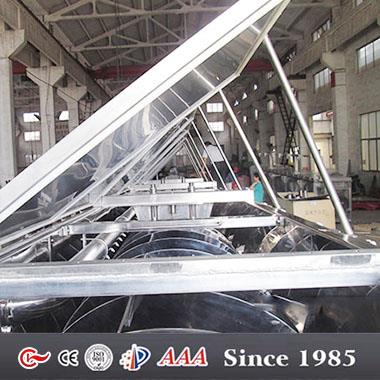
Next, take a good look at the rollers. Check for any visible signs of damage, like cracks, dents, or excessive wear. If you find any damaged rollers, it's a good idea to replace them before you start cleaning. You can also take this time to note the type of debris on the rollers. Is it mostly dry dust, or is there a lot of sticky grease? This will help you choose the right cleaning method and supplies.
Tools and Supplies You'll Need
- Brushes: You'll need a few different types of brushes. A stiff - bristle brush is great for removing tough, caked - on debris. A soft - bristle brush can be used for more delicate cleaning, like getting into the small crevices around the roller bearings.
- Cleaning Agents: Depending on the type of debris, you might need different cleaning agents. For general dirt and dust, a simple soap and water solution can work wonders. If there's a lot of grease, you might need a degreaser. Just make sure to choose a cleaning agent that's compatible with the roller material.
- Rags or Towels: These are essential for wiping down the rollers after cleaning. Make sure they're clean and lint - free to avoid leaving any fibers on the rollers.
- Gloves and Safety Glasses: Protect your hands and eyes from the cleaning agents and any flying debris.
The Cleaning Process
Let's start with the basic cleaning steps.
- Dry Brushing: Use the stiff - bristle brush to remove as much loose debris as possible. Start at one end of the roller and work your way to the other, brushing in the direction of the roller's rotation. This will help dislodge the dirt and make it easier to clean.
- Applying the Cleaning Agent: If you're using a soap and water solution, mix it in a bucket according to the instructions on the soap label. Dip the soft - bristle brush into the solution and gently scrub the rollers. Make sure to cover the entire surface of the roller, including the ends and the area around the bearings. If you're using a degreaser, follow the manufacturer's instructions carefully. Apply it to the rollers using a spray bottle or a cloth, and let it sit for the recommended amount of time to break down the grease.
- Scrubbing: After applying the cleaning agent, use the stiff - bristle brush again to scrub the rollers more thoroughly. Pay special attention to the areas with the most debris. You might need to put some elbow grease into it, but be careful not to damage the rollers.
- Rinsing: Once you've scrubbed the rollers, it's time to rinse them off. You can use a hose with a gentle spray nozzle to rinse away the cleaning agent and the loosened debris. Make sure to rinse all the way around the rollers, including the bearings. If you don't have a hose, you can use a bucket of clean water and a sponge to wipe down the rollers.
- Drying: After rinsing, use the clean rags or towels to dry the rollers completely. Moisture can cause rust and corrosion, so it's important to get them as dry as possible. You can also use a fan to speed up the drying process.
Cleaning the Bearings
The bearings are a critical part of the roller system, and they need special attention. Use a soft - bristle brush to gently clean the area around the bearings. Be careful not to get any cleaning agent or debris inside the bearings. If you need to clean the bearings themselves, you might need to use a specialized bearing cleaner. After cleaning, apply a light coat of lubricant to the bearings to keep them running smoothly.
Post - Cleaning Maintenance
Once the rollers are clean and dry, it's a good idea to do some post - cleaning maintenance. Check the alignment of the rollers again to make sure they're all in the right position. You can also lubricate the roller shafts if needed.
It's also a good time to think about preventive measures. Consider installing roller covers or guards to keep debris from getting on the rollers in the first place. You can also set up a regular cleaning schedule to keep the rollers in good condition.
Other Conveyor Options
If you're in the market for a new conveyor or looking to upgrade your existing system, we've got some great options. Check out our Food Grade U Trough Screw Conveyor for Powder Feeding System. It's perfect for handling powder materials in the food industry. We also have a Compact Screw Conveyor, which is great for tight spaces. And if you need a conveyor for inclined applications, our Incline Pipe Screw Feeding Conveyor is a top - notch choice.
Conclusion
Cleaning the conveyor rollers of a CEMA conveyor is an important part of keeping your conveyor system running smoothly. By following these steps and doing regular maintenance, you can extend the life of your rollers and improve the overall performance of your conveyor.
If you have any questions about cleaning your conveyor rollers or if you're interested in purchasing a new conveyor system, don't hesitate to reach out. We're here to help you make the best decisions for your business.
References
- "Conveyor Belt Handbook" - A comprehensive guide on conveyor systems and maintenance.
- Manufacturer's manuals for CEMA conveyors and cleaning agents.