

Drag conveyors are a versatile and efficient solution for moving bulk materials in various industries. As a drag conveyor supplier, I've witnessed firsthand the wide range of applications where these conveyors excel. In this blog post, I'll explore the common uses of drag conveyors and how they can benefit different sectors.
Agriculture
In the agricultural industry, drag conveyors play a crucial role in handling grains, seeds, and other agricultural products. They are commonly used in grain elevators, feed mills, and farms to transport bulk materials from one location to another. For example, a Grain Drag Conveyor Drag Chain Conveyor can be used to move grain from storage bins to processing equipment or to load trucks for transportation.
One of the key advantages of using drag conveyors in agriculture is their ability to handle a variety of materials, including dry, free-flowing grains and sticky or wet products. They can also operate at different inclinations, allowing for efficient transfer of materials between different levels. Additionally, drag conveyors are relatively easy to install and maintain, making them a cost-effective solution for agricultural applications.
Food Processing
The food processing industry requires strict hygiene standards and efficient material handling solutions. Drag conveyors are well-suited for this industry as they can be designed to meet the specific requirements of food processing facilities. They are commonly used to transport ingredients, finished products, and waste materials within the production line.

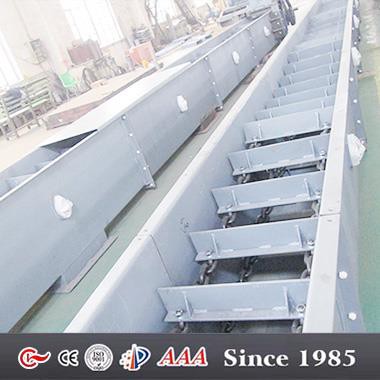
For example, in a bakery, drag conveyors can be used to move flour, sugar, and other ingredients from storage silos to mixing machines. They can also be used to transport baked goods from the oven to packaging stations. In a meat processing plant, drag conveyors can be used to move carcasses, cuts of meat, and by-products.
Drag conveyors in the food processing industry are typically made of stainless steel or other food-grade materials to ensure compliance with hygiene regulations. They can also be equipped with features such as easy-to-clean surfaces, sealed bearings, and dust collection systems to minimize the risk of contamination.
Mining and Minerals
The mining and minerals industry involves the extraction, processing, and transportation of large quantities of bulk materials. Drag conveyors are widely used in this industry to move coal, ore, and other minerals from the mining site to processing plants or storage facilities.
In an underground mine, drag conveyors can be used to transport coal or ore from the working face to the surface. They can also be used to move materials within the processing plant, such as from crushers to screens or from storage bins to conveyors for further transportation.
One of the advantages of using drag conveyors in the mining and minerals industry is their ability to handle heavy loads and abrasive materials. They can be designed with heavy-duty components and wear-resistant materials to withstand the harsh operating conditions. Additionally, drag conveyors can be installed in a variety of configurations, including horizontal, inclined, and vertical, to suit the specific requirements of the mining operation.
Chemical and Pharmaceutical
The chemical and pharmaceutical industries require precise and reliable material handling solutions to ensure the quality and safety of their products. Drag conveyors are commonly used in these industries to transport chemicals, powders, and other bulk materials.
For example, in a chemical plant, drag conveyors can be used to move raw materials from storage tanks to reactors or to transport finished products to packaging stations. In a pharmaceutical manufacturing facility, drag conveyors can be used to move active ingredients, excipients, and finished tablets or capsules.
Drag conveyors in the chemical and pharmaceutical industries are typically designed to meet strict safety and hygiene standards. They can be made of corrosion-resistant materials and equipped with features such as explosion-proof motors, dust-tight enclosures, and monitoring systems to ensure the safe handling of hazardous materials.
Recycling and Waste Management
The recycling and waste management industry involves the collection, sorting, and processing of various types of waste materials. Drag conveyors are used in this industry to move waste materials from collection points to processing facilities or to transport recycled materials to storage or shipping areas.
For example, in a recycling plant, drag conveyors can be used to move scrap metal, plastic, paper, and other recyclable materials from the sorting area to the shredding or baling machines. They can also be used to transport compost or other organic waste materials in a waste management facility.
One of the advantages of using drag conveyors in the recycling and waste management industry is their ability to handle a wide range of materials, including bulky and irregularly shaped items. They can also be designed with features such as self-cleaning mechanisms and anti-jamming devices to ensure reliable operation in dirty and challenging environments.
Construction
In the construction industry, drag conveyors are used to transport construction materials such as sand, gravel, cement, and concrete. They are commonly used in concrete batching plants, asphalt mixing plants, and construction sites to move materials from storage bins to mixing machines or to transport finished products to the construction area.
For example, in a concrete batching plant, drag conveyors can be used to move sand and gravel from the storage silos to the weighing hoppers. They can also be used to transport cement from the cement silo to the mixer. In a construction site, drag conveyors can be used to move concrete from the mixer to the pouring location.
Drag conveyors in the construction industry are typically designed to handle heavy loads and operate in rough and dusty environments. They can be made of durable materials such as steel or reinforced rubber and equipped with features such as high-capacity motors and heavy-duty chains to ensure reliable performance.
Conclusion
Drag conveyors are a versatile and reliable solution for moving bulk materials in a wide range of industries. Their ability to handle different types of materials, operate at various inclinations, and be customized to meet specific requirements makes them a popular choice for many applications.
If you're looking for a drag conveyor for your industry, I encourage you to contact us for more information. Our team of experts can help you select the right conveyor for your needs and provide you with a customized solution. We offer a wide range of drag conveyors, including Grain Drag Conveyor Drag Chain Conveyor, and we can also provide installation, maintenance, and repair services.
Let's work together to find the best drag conveyor solution for your business. Contact us today to start the conversation.
References
- "Bulk Material Handling Handbook" by CEMA (Conveyor Equipment Manufacturers Association)
- "Industrial Conveyors: Design, Operation, and Maintenance" by Andrew S. Krzysztof
- "Food Processing Technology: Principles and Practice" by P. Fellows