

As a supplier of screw feeders, I often get asked about the price range of these essential industrial machines. Screw feeders are used in a wide variety of industries, from food and beverage to pharmaceuticals and chemicals, to accurately and efficiently convey bulk materials. The price of a screw feeder can vary significantly depending on several factors, which I'll discuss in detail below.

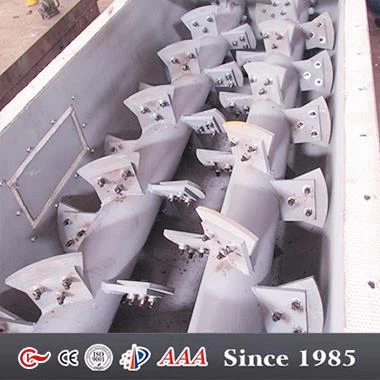
Factors Affecting the Price of Screw Feeders
1. Size and Capacity
One of the most significant factors influencing the price of a screw feeder is its size and capacity. Larger screw feeders with higher capacities generally cost more than smaller ones. This is because they require more material for construction and are typically more complex to manufacture. For example, a small screw feeder designed for laboratory use or low-volume applications may cost a few hundred dollars, while a large industrial screw feeder capable of handling several tons of material per hour can cost tens of thousands of dollars.
2. Material of Construction
The material used to construct the screw feeder also plays a crucial role in determining its price. Screw feeders can be made from a variety of materials, including stainless steel, carbon steel, and aluminum. Stainless steel is the most expensive option due to its corrosion resistance and durability, making it ideal for applications in the food, pharmaceutical, and chemical industries where hygiene and product purity are critical. Carbon steel is a more economical choice and is commonly used in general industrial applications. Aluminum is lightweight and corrosion-resistant but may not be as strong as steel, making it suitable for applications where weight is a concern.
3. Design and Features
The design and features of a screw feeder can also impact its price. Some screw feeders are designed for specific applications and may include features such as variable speed drives, dust collection systems, or custom hoppers. These additional features can increase the cost of the screw feeder but may be necessary depending on the requirements of the application. For example, a screw feeder with a variable speed drive allows for precise control of the material flow rate, which is essential in applications where accurate dosing is required.
4. Brand and Manufacturer
The brand and manufacturer of the screw feeder can also affect its price. Well-established brands with a reputation for quality and reliability often charge a premium for their products. However, choosing a reputable brand can provide peace of mind and ensure that you are getting a high-quality product that will last. It's important to do your research and compare different brands and manufacturers to find the best value for your money.
Price Range of Screw Feeders
Based on the factors discussed above, the price range of screw feeders can vary widely. Here is a general overview of the price ranges for different types of screw feeders:
Small Auger Feeders
Small auger feeders, also known as Small Auger Feeders Screw Feeders, are typically used for low-volume applications or in laboratory settings. These screw feeders are relatively inexpensive and can cost anywhere from a few hundred dollars to a few thousand dollars, depending on their size, material of construction, and features.
Medium-Sized Screw Feeders
Medium-sized screw feeders are commonly used in industrial applications where moderate volumes of material need to be conveyed. These screw feeders can cost between a few thousand dollars and tens of thousands of dollars, depending on their capacity, material of construction, and design features.
Large Industrial Screw Feeders
Large industrial screw feeders are designed for high-volume applications and can handle several tons of material per hour. These screw feeders are the most expensive and can cost tens of thousands of dollars or more, depending on their size, material of construction, and complexity.
Twin Screw Feeders
Twin screw feeders, such as the Twin Screw Feeder Feed Conveyor System, are used in applications where precise control of the material flow rate is required. These screw feeders are more complex and expensive than single screw feeders and can cost anywhere from a few thousand dollars to tens of thousands of dollars, depending on their size, material of construction, and features.
Choosing the Right Screw Feeder for Your Application
When choosing a screw feeder for your application, it's important to consider your specific requirements and budget. Here are some tips to help you choose the right screw feeder:
1. Determine Your Material Characteristics
Before choosing a screw feeder, it's important to determine the characteristics of the material you will be conveying. Factors such as particle size, density, flowability, and abrasiveness can all affect the performance of the screw feeder. For example, a screw feeder designed for handling fine powders may not be suitable for handling large, abrasive particles.
2. Consider Your Application Requirements
The requirements of your application will also play a role in choosing the right screw feeder. Factors such as the desired flow rate, accuracy, and control of the material flow, as well as the environment in which the screw feeder will be used, should all be considered. For example, if you need to accurately dose a small amount of material, a screw feeder with a variable speed drive and a high-precision controller may be required.
3. Set Your Budget
Once you have determined your material characteristics and application requirements, you can set a budget for your screw feeder. It's important to be realistic about your budget and to choose a screw feeder that meets your requirements without breaking the bank. Remember, investing in a high-quality screw feeder can save you money in the long run by reducing downtime and maintenance costs.
Contact Us for a Quote
If you are in the market for a screw feeder, we would be happy to help you choose the right one for your application. As a leading supplier of screw feeders, we offer a wide range of products to meet the needs of various industries. Our experienced sales team can provide you with detailed information about our screw feeders and help you determine the best solution for your specific requirements.
To get a quote for a screw feeder, simply contact us today. We look forward to working with you and helping you find the perfect screw feeder for your application.
References
- "Screw Feeder Basics," Powder & Bulk Solids Magazine
- "Selection and Sizing of Screw Feeders," Chemical Engineering Progress
- "Industrial Screw Feeders: Design, Operation, and Maintenance," ASME International