

When it comes to mixers, one of the key decisions customers face is whether to choose a plastic - bodied or a metal - bodied model. As a mixer price supplier, I've had numerous conversations with clients about this very topic. In this blog post, I'll delve into the price differences between plastic and metal - bodied mixers, exploring the factors that contribute to these disparities and helping you make an informed purchasing decision.
1. Material Costs
The most obvious factor influencing the price difference between plastic and metal - bodied mixers is the cost of the raw materials. Metals, such as stainless steel or aluminum, generally have a higher cost per unit weight compared to plastics. Stainless steel, for instance, is a popular choice for metal - bodied mixers due to its durability, corrosion resistance, and hygienic properties. However, the extraction, refining, and processing of stainless steel require significant energy and resources, which drive up its price.
On the other hand, plastics are derived from petrochemicals. While the price of plastics can fluctuate depending on the price of oil and market demand, they are typically less expensive than metals. For example, polypropylene, a common plastic used in mixer bodies, is relatively inexpensive to produce. The manufacturing process for plastic parts is also often more straightforward and less energy - intensive than that for metal parts, further reducing costs.
2. Manufacturing Processes
The manufacturing processes for plastic and metal - bodied mixers also contribute to the price gap. Metal - bodied mixers usually involve more complex manufacturing steps. For example, metal parts may need to be cut, bent, welded, and polished. These processes require specialized machinery and skilled labor, which add to the overall production cost. Welding, in particular, is a precise and labor - intensive process that requires trained welders to ensure strong and reliable joints.
In contrast, plastic - bodied mixers can be produced through injection molding. Injection molding is a highly automated process where molten plastic is injected into a mold cavity. This process is relatively fast and can produce large quantities of identical parts with high precision. The lower labor requirements and faster production times associated with injection molding make plastic - bodied mixers more cost - effective to manufacture.
3. Durability and Longevity
Durability is another aspect that affects the price of mixers. Metal - bodied mixers are generally more durable than their plastic counterparts. Metals can withstand higher levels of stress, impact, and wear. A stainless - steel mixer body can resist corrosion from chemicals and cleaning agents, making it suitable for use in harsh industrial environments. Over time, a metal - bodied mixer is less likely to break or need replacement parts, which can offset its higher initial cost.
Plastic - bodied mixers, while less expensive upfront, may not last as long. Plastics can become brittle over time, especially when exposed to high temperatures, UV radiation, or certain chemicals. They are also more prone to cracking and damage from impacts. As a result, customers may need to replace plastic - bodied mixers more frequently, which can increase the long - term cost of ownership.
4. Performance and Functionality
The performance and functionality requirements of a mixer can also influence the price difference. Metal - bodied mixers are often designed for heavy - duty applications. They can handle larger volumes of materials and operate at higher speeds and power levels. For example, in industrial settings where large quantities of materials need to be mixed continuously, a metal - bodied mixer with a powerful motor and a robust construction is essential.
Plastic - bodied mixers are typically more suitable for light - duty or domestic use. They may have lower power ratings and are designed for smaller mixing tasks. For instance, a plastic - bodied mixer in a home kitchen can be used for mixing small batches of dough or batter. The lower performance capabilities of plastic - bodied mixers contribute to their lower price.
5. Market Demand and Competition
Market demand and competition also play a role in determining the prices of plastic and metal - bodied mixers. The demand for plastic - bodied mixers is often higher in the consumer market, where price is a major consideration. The high volume of sales in this segment allows manufacturers to benefit from economies of scale, reducing the per - unit cost. Additionally, there is intense competition among manufacturers of plastic - bodied mixers, which further drives down prices.

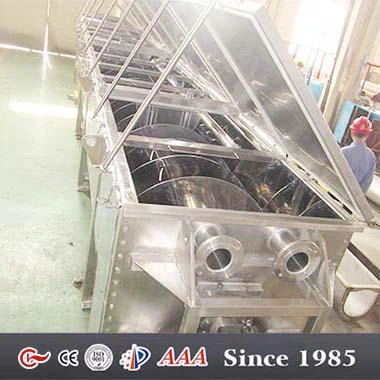
In the industrial market, the demand for metal - bodied mixers is significant due to their superior performance and durability. However, the market for industrial mixers is also more specialized, and there are fewer manufacturers. This can lead to higher prices as manufacturers need to cover their research and development costs, as well as the cost of providing technical support and after - sales service.
Examples of Price Differences
To illustrate the price differences between plastic and metal - bodied mixers, let's consider some real - world examples. A basic plastic - bodied hand mixer for home use may cost around $20 - $50. These mixers typically have lower power ratings, fewer speed settings, and are made from common plastics.
In contrast, a professional - grade metal - bodied stand mixer for a bakery or a small - scale food production facility can cost anywhere from $200 to over $1000. These mixers are made from high - quality stainless steel, have powerful motors, multiple speed settings, and can handle large batches of dough or batter.
If you're in the market for more specialized mixers, the price differences can be even more pronounced. For example, a Sludge Mixer Mixing Screw Conveyors used in wastewater treatment plants is likely to have a metal body due to the harsh environment and heavy - duty requirements. These mixers can cost tens of thousands of dollars. On the other hand, a small plastic - bodied Conveyor Screw Coffee Screw Ribbon Mixer for Coffee System for a coffee roasting business may cost a few hundred dollars.
Making the Right Choice
When deciding between a plastic - bodied and a metal - bodied mixer, it's important to consider your specific needs and budget. If you're a home user or have light - duty mixing requirements, a plastic - bodied mixer may be the most cost - effective option. It will provide sufficient performance for your needs at a lower price.
However, if you're in an industrial or commercial setting where durability, performance, and reliability are crucial, a metal - bodied mixer is likely the better choice. While it may cost more upfront, its long - term benefits in terms of reduced maintenance and replacement costs can make it a more economical option in the long run.
As a mixer price supplier, I'm here to help you make the best decision for your situation. Whether you need a simple plastic - bodied mixer for home use or a heavy - duty metal - bodied mixer for industrial applications, I can provide you with detailed information on prices, features, and performance.
If you're interested in purchasing a mixer, I encourage you to contact me for a personalized quote. We can discuss your specific requirements, and I'll work with you to find the mixer that offers the best value for your money. Don't hesitate to reach out to start the procurement negotiation process and get the perfect mixer for your needs.
References
- "Materials Science and Engineering: An Introduction" by William D. Callister Jr. and David G. Rethwisch
- "Manufacturing Engineering and Technology" by Serope Kalpakjian and Steven R. Schmid
- Industry reports on the mixer market from market research firms.