

Hey there! As a supplier of Sludge Mixers, I've spent a ton of time diving into the nitty - gritty details of how different parts of these machines work. One aspect that's super crucial and often overlooked is the design of the mixing blade and its effect on the suspension of solids in sludge.
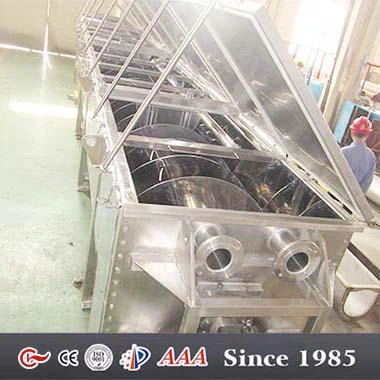

Sludge is a tricky substance. It's a combination of water and solid particles, and getting those solids evenly suspended is no easy feat. That's where the mixing blade comes in. The right blade design can make all the difference between a well - mixed sludge that's ready for further processing and a lumpy mess that causes all sorts of problems down the line.
Let's start by looking at the basic functions of a mixing blade in a sludge mixer. The main job is to create enough agitation in the sludge to break up any clumps of solids and keep them floating in the liquid. This is important because when solids settle at the bottom, they can cause blockages in pipes, reduce the efficiency of treatment processes, and even damage equipment.
There are several factors in blade design that impact the suspension of solids. First up is the shape of the blade. Blades come in all sorts of shapes, like flat, curved, and pitched. Flat blades are pretty simple. They push the sludge in a straight - forward motion. While they can create some agitation, they might not be the best at breaking up tough clumps or reaching all corners of the mixing tank.
On the other hand, curved blades are a bit more versatile. They can generate a swirling motion in the sludge, which helps to distribute the solids more evenly. The curve of the blade also allows it to grab and move larger chunks of solids, making it better at suspending heavier particles.
Pitched blades are designed to create a vertical flow in the sludge. They can lift the solids from the bottom of the tank and keep them in suspension. This is especially useful in deep tanks where solids tend to settle quickly.
The size of the blade also matters a great deal. A larger blade can cover more area in the mixing tank, which means it can move more sludge at once. But if it's too large, it might create too much turbulence, causing the sludge to splash out of the tank or even damage the mixer itself. A smaller blade, on the other hand, might not be able to generate enough force to suspend all the solids, especially if they're heavy or large.
Another important factor is the number of blades. More blades generally mean more contact with the sludge, which can lead to better mixing. However, too many blades can increase the resistance in the mixer, making it work harder and consume more energy. You've got to find that sweet spot where you have enough blades to do the job but not so many that it becomes inefficient.
Now, let's talk about how these design features translate into real - world performance. In a well - designed sludge mixer, the blades should be able to keep the solids in suspension for as long as needed. This means that during the treatment process, the sludge remains homogeneous, and the solids don't settle out.
For example, in a wastewater treatment plant, proper suspension of solids in sludge is essential for effective chemical treatment. If the solids aren't evenly distributed, the chemicals might not react with all the particles, leading to incomplete treatment. A good mixing blade design can ensure that the chemicals are thoroughly mixed with the sludge, maximizing the treatment efficiency.
I've seen firsthand how the wrong blade design can cause problems. One of our clients had a sludge mixer with flat blades that just couldn't keep the heavier solids in suspension. The solids kept settling at the bottom of the tank, and it was a constant battle to clean out the blockages in the pipes. After we replaced the blades with curved ones, the situation improved dramatically. The swirling motion created by the curved blades was able to lift the solids and keep them in suspension, and the blockage problems almost disappeared.
As a Sludge Mixer supplier, we offer a range of mixers with different blade designs to suit various applications. If you're dealing with light, fine solids, a mixer with flat or slightly curved blades might be sufficient. But if you've got heavy, large particles, a mixer with pitched blades or multiple curved blades could be the way to go.
We also have some really cool products that are worth checking out. For instance, our Conveyor Screw Coffee Screw Ribbon Mixer for Coffee System. Although it's designed for coffee systems, the mixing principles are similar. It uses a unique screw - ribbon design that can create a gentle yet effective mixing action, which is great for keeping solids in suspension.
And of course, our Sludge Mixer Mixing Screw Conveyors are specifically tailored for sludge applications. These mixers use screw conveyors to move the sludge and keep the solids evenly distributed. The design of the screw conveyor can be adjusted to suit different types of sludge and solids.
If you're in the market for a sludge mixer or you're having problems with your current one, don't hesitate to reach out. We're here to help you find the perfect mixer with the right blade design for your specific needs. Whether you're running a small - scale wastewater treatment facility or a large industrial plant, we've got the expertise and the products to get the job done right.
In conclusion, the design of the mixing blade in a sludge mixer has a huge impact on the suspension of solids in sludge. From the shape and size to the number of blades, every aspect of the design plays a role in creating an efficient and effective mixing process. By choosing the right blade design, you can ensure that your sludge remains homogeneous, your treatment processes run smoothly, and your equipment lasts longer. So, if you're looking to improve your sludge mixing operations, give us a call and let's have a chat about how we can help.
References
- Smith, J. (2020). "Principles of Sludge Mixing". Journal of Wastewater Treatment.
- Johnson, A. (2019). "The Impact of Blade Design on Mixing Efficiency". Industrial Mixing Magazine.