

Safety is of paramount importance when it comes to the operation of industrial equipment, and drag conveyors are no exception. As a trusted drag conveyor supplier, I understand the critical role that safety precautions play in ensuring the well - being of operators and the efficient functioning of the equipment. In this blog, I will share some essential safety precautions for using a drag conveyor.
Pre - operation Safety Checks
Before starting the drag conveyor, a series of pre - operation safety checks should be carried out. First and foremost, visually inspect the conveyor structure. Look for any signs of damage, such as cracks in the frame, loose bolts, or worn - out components. A damaged frame can compromise the stability of the conveyor during operation, leading to potential accidents. For example, if a bolt is loose, it could cause a part of the conveyor to shift, which might entangle the chain or other moving parts.
Check the conveyor chain and sprockets. The chain should be properly tensioned. An overly loose chain can skip on the sprockets, causing uneven movement and potentially jamming the conveyor. On the other hand, an overly tight chain can put excessive stress on the sprockets and other components, leading to premature wear and tear. Inspect the sprockets for signs of wear, such as uneven teeth or excessive clearance. Worn sprockets can cause the chain to derail, which is a serious safety hazard.
Verify the lubrication of all moving parts. Proper lubrication reduces friction, which not only extends the lifespan of the components but also ensures smooth operation. Check the lubricant levels in the gearboxes, bearings, and other lubricated parts. If the lubricant is dirty or low, it should be replaced or topped up according to the manufacturer's recommendations.
Inspect the electrical system. Ensure that all electrical connections are secure and that there are no exposed wires. Faulty electrical connections can lead to short - circuits, electrical shocks, or even fires. Test the emergency stop buttons to make sure they are functioning correctly. These buttons are crucial for quickly halting the conveyor in case of an emergency.
Operator Training
Proper operator training is a fundamental safety precaution. Operators should be thoroughly trained on the correct operation of the drag conveyor. They should understand how to start and stop the conveyor safely, how to adjust the speed and other operating parameters, and how to troubleshoot common problems.
Training should also cover safety procedures. Operators need to know how to use personal protective equipment (PPE) such as safety glasses, gloves, and hard hats. Safety glasses protect the eyes from flying debris, while gloves can prevent hand injuries when handling the conveyor components. Hard hats are essential in case of any falling objects or overhead hazards.
In addition, operators should be trained on lock - out/tag - out procedures. These procedures are used to isolate the conveyor from its energy sources (electrical, mechanical, etc.) during maintenance or repair work. This ensures that the conveyor cannot be accidentally started while someone is working on it, preventing serious injuries.
During Operation Safety
During the operation of the drag conveyor, several safety measures should be observed. Keep the work area around the conveyor clean and free of clutter. Loose materials, tools, or debris can pose a tripping hazard or get caught in the conveyor, causing damage or jams. Regularly clean the conveyor itself to prevent the build - up of material, which can affect its performance and increase the risk of fire in some cases.
Do not overload the conveyor. Each drag conveyor has a specified capacity, and exceeding this capacity can put excessive stress on the components, leading to breakdowns and potential safety hazards. Monitor the material flow on the conveyor to ensure that it is within the recommended limits.
Avoid reaching into the moving parts of the conveyor while it is running. The chain, sprockets, and other moving components can cause serious injuries, such as amputations or crushing injuries. If any adjustment or maintenance is required, stop the conveyor and follow the proper lock - out/tag - out procedures.
Install appropriate safety guards. Safety guards are physical barriers that prevent operators from accidentally coming into contact with the moving parts of the conveyor. They should be installed around the chain, sprockets, and other hazardous areas. Make sure the guards are in good condition and properly secured.
Maintenance and Inspection
Regular maintenance and inspection are essential for the safe operation of the drag conveyor. Establish a maintenance schedule based on the manufacturer's recommendations. This schedule should include tasks such as lubrication, chain tension adjustment, and component replacement.
During maintenance, inspect the conveyor for any signs of wear or damage. Replace any worn - out parts immediately. For example, if the chain links are showing signs of excessive wear, they should be replaced to prevent chain breakage during operation.
Inspect the conveyor's alignment. Misaligned conveyors can cause uneven wear on the components and increase the risk of jams. Adjust the alignment as needed to ensure smooth and efficient operation.
Emergency Preparedness
Have an emergency plan in place for the drag conveyor. This plan should outline the steps to be taken in case of an accident, such as a fire, electrical shock, or equipment failure. Train all employees on the emergency plan so that they know what to do in case of an emergency.

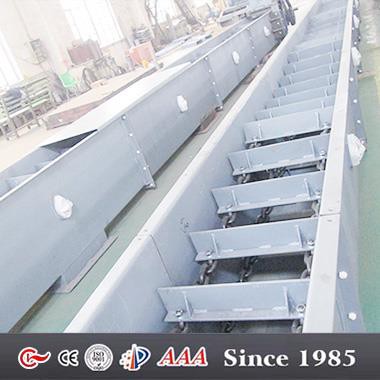
Keep first - aid kits and fire extinguishers readily available in the work area. Ensure that employees know how to use these emergency supplies. Regularly check the first - aid kits to make sure they are fully stocked and that the fire extinguishers are in working condition.
Post - operation Safety
After the operation of the drag conveyor is completed, take appropriate safety measures. Turn off the conveyor and follow the proper shutdown procedures. This may include allowing the conveyor to run for a short time to clear any remaining material.
Isolate the conveyor from its energy sources using lock - out/tag - out procedures. This prevents the conveyor from being accidentally started during post - operation maintenance or cleaning.
Clean the conveyor and the surrounding area thoroughly. Remove any remaining material, debris, or lubricant spills. This not only keeps the work area safe but also helps to maintain the conveyor in good condition.
As a drag conveyor supplier, I am committed to providing high - quality products and ensuring the safety of our customers. If you are interested in our Grain Drag Conveyor Drag Chain Conveyor or other drag conveyor products, please feel free to contact us for more information and to discuss your specific requirements. We are always ready to assist you in finding the most suitable conveyor solution for your business.
References
- Manufacturer's operation and maintenance manuals for drag conveyors.
- Occupational Safety and Health Administration (OSHA) guidelines for industrial conveyor safety.
- Industry best practices and standards for drag conveyor safety.