

Hey there! I'm a supplier of mass conveyors, and today I wanna chat about the monitoring systems for a mass conveyor. Mass conveyors are super important in bulk material handling, and having the right monitoring systems can make a huge difference in their performance and longevity.
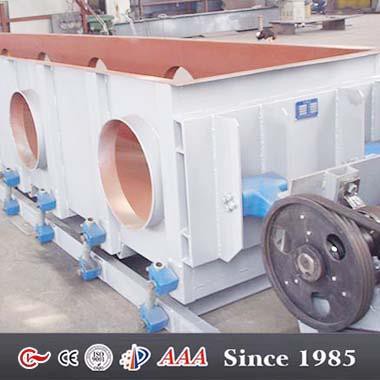
First off, let's understand what a mass conveyor is. A mass conveyor, also known as a vibration conveyor, is designed to move bulk materials like grains, minerals, and chemicals. It uses vibration to transport the materials along a trough or a tube. You can learn more about it here: Mass Conveyor for Bulk Material Handling.
Now, onto the monitoring systems. One of the most crucial monitoring systems for a mass conveyor is the vibration monitoring system. This system keeps an eye on the vibration amplitude, frequency, and direction of the conveyor. Why is this important? Well, if the vibration parameters are off, it can lead to inefficient material handling, excessive wear and tear on the conveyor components, and even breakdowns.
For example, if the vibration amplitude is too low, the materials might not move smoothly along the conveyor. On the other hand, if it's too high, it can cause damage to the conveyor structure and the surrounding equipment. By continuously monitoring the vibration, we can detect any changes early on and take corrective actions. There are various sensors available for vibration monitoring, such as accelerometers. These sensors can be installed at different points on the conveyor to get a comprehensive view of the vibration characteristics.
Another important monitoring system is the temperature monitoring system. The components of a mass conveyor, especially the motors and bearings, generate heat during operation. If the temperature rises too high, it can indicate a problem, such as overloading, poor lubrication, or mechanical issues. High temperatures can also reduce the lifespan of the components and increase the risk of failures.
Temperature sensors can be placed on critical parts of the conveyor, like the motor housing and bearing housings. These sensors can send real - time temperature data to a control system. If the temperature exceeds a pre - set threshold, an alarm can be triggered, alerting the operators to take a look. Regularly monitoring the temperature can help us prevent costly breakdowns and ensure the smooth operation of the conveyor.
The load monitoring system is also a key player. Mass conveyors are designed to handle a certain amount of material load. If the load exceeds the design capacity, it can put excessive stress on the conveyor components, leading to premature wear and possible failure. Load sensors can be installed on the conveyor to measure the amount of material being transported.
There are different types of load sensors, such as strain gauges. These sensors can be integrated into the conveyor structure, like the support frames. By measuring the strain caused by the load, we can calculate the actual load on the conveyor. This information can be used to optimize the material feeding rate. If the load is too high, we can adjust the feeding system to reduce the amount of material going onto the conveyor. Conversely, if the load is too low, we can increase the feeding rate to improve the efficiency of the conveyor.
The belt tension monitoring system is crucial for conveyors with belts. Maintaining the right belt tension is essential for proper operation. If the belt is too loose, it can slip, causing inefficient material transfer and potential damage to the belt. If it's too tight, it can increase the wear on the belt and the pulleys.
There are several ways to monitor belt tension. One common method is to use tension sensors. These sensors can measure the force applied to the belt and provide real - time tension data. By monitoring the belt tension, we can make adjustments as needed, ensuring that the belt operates within the optimal tension range. You can find more details about vibration conveyors, including mass conveyors, here: Vibration Conveyor Mass Conveyor.
In addition to these monitoring systems, we also need to consider the environmental monitoring. Factors like dust, humidity, and temperature in the surrounding environment can affect the performance of the mass conveyor. For example, high humidity can cause corrosion of the conveyor components, and excessive dust can clog the sensors and other moving parts.
Environmental sensors can be installed near the conveyor to monitor these factors. If the environmental conditions are not within the acceptable range, appropriate measures can be taken, such as installing dust collectors or dehumidifiers.
Now, you might be wondering how all these monitoring systems work together. Well, they are usually integrated into a central control system. This control system can collect data from all the sensors, analyze it, and provide a comprehensive overview of the conveyor's performance. It can also generate reports and alerts, allowing the operators to make informed decisions.
For instance, if the vibration monitoring system detects an abnormal vibration, and at the same time, the temperature monitoring system shows a rise in temperature in the motor, the control system can analyze the data and determine that there might be a mechanical problem in the motor. This way, we can quickly diagnose the issue and take the necessary steps to fix it.
As a mass conveyor supplier, we understand the importance of these monitoring systems. We offer conveyors that can be equipped with these state - of - the - art monitoring systems. By investing in these monitoring systems, our customers can save a lot of money in the long run. They can avoid costly breakdowns, reduce maintenance costs, and improve the overall efficiency of their bulk material handling operations.

If you're in the market for a mass conveyor or looking to upgrade your existing one with advanced monitoring systems, we'd love to have a chat with you. We can discuss your specific requirements, recommend the most suitable monitoring systems for your application, and provide you with a customized solution. Contact us for more information and let's start a conversation about how we can help you optimize your bulk material handling process.
References:
- "Bulk Material Handling Handbook"
- "Conveyor Technology and Applications"