

As a trusted silo hopper supplier, I understand the critical importance of explosion-proof requirements in the design, installation, and operation of silo hoppers. In various industries such as food processing, chemical, and construction, silo hoppers are used to store and handle bulk materials, many of which can pose an explosion risk under certain conditions. This blog post aims to explore the explosion-proof requirements for silo hoppers, providing valuable insights for businesses looking to ensure safety and compliance.
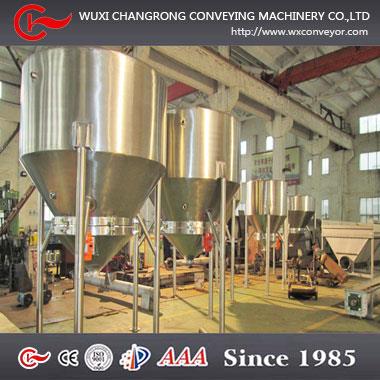

Understanding the Explosion Risk in Silo Hoppers
Silo hoppers are often used to store combustible dusts, such as flour, sugar, coal dust, and chemical powders. When these dusts are dispersed in the air in the right concentration and come into contact with an ignition source, an explosion can occur. The explosion can cause significant damage to the silo hopper, surrounding equipment, and even endanger the lives of workers.
The risk of explosion in silo hoppers is influenced by several factors, including the type of material stored, the particle size of the dust, the concentration of the dust in the air, and the presence of ignition sources. For example, fine dust particles are more likely to form an explosive mixture than larger particles, and materials with a low ignition temperature are more prone to explosion.
Explosion-Proof Design Requirements
To prevent explosions in silo hoppers, it is essential to design them with explosion-proof features. Here are some key design requirements:
Material Selection
The materials used in the construction of silo hoppers should be non-combustible or have a high ignition temperature. For example, stainless steel is a commonly used material for silo hoppers due to its corrosion resistance and non-combustible properties.
Grounding
Proper grounding is crucial to prevent the buildup of static electricity, which can be an ignition source for combustible dust. All metal parts of the silo hopper, including the body, legs, and fittings, should be grounded to a common ground point.
Ventilation
Adequate ventilation is necessary to dilute the concentration of combustible dust in the air inside the silo hopper. Ventilation systems should be designed to remove dust-laden air from the silo hopper and replace it with fresh air. The ventilation rate should be calculated based on the type of material stored and the size of the silo hopper.
Dust Collection
A dust collection system should be installed to capture and remove dust from the air inside the silo hopper. The dust collection system should be designed to meet the specific requirements of the material being stored and should be regularly maintained to ensure its effectiveness.
Explosion Relief
Explosion relief devices, such as explosion vents or panels, should be installed on the silo hopper to release the pressure generated by an explosion. These devices are designed to open at a predetermined pressure, allowing the explosion to vent safely to the outside without causing significant damage to the silo hopper.
Installation and Maintenance Requirements
In addition to the design requirements, proper installation and maintenance of silo hoppers are also essential to ensure their explosion-proof performance. Here are some key installation and maintenance requirements:
Installation
Silo hoppers should be installed by qualified professionals who have experience in working with explosion-proof equipment. The installation process should follow the manufacturer's instructions and relevant safety standards.
Inspection
Regular inspections should be conducted to check the condition of the silo hopper and its explosion-proof features. Inspections should include checks for damage, wear, and corrosion, as well as the proper functioning of ventilation, dust collection, and explosion relief devices.
Maintenance
The silo hopper and its associated equipment should be regularly maintained to ensure their proper operation. Maintenance tasks should include cleaning, lubrication, and replacement of worn or damaged parts.
Training
Workers who operate or maintain the silo hopper should receive proper training on explosion prevention and safety procedures. Training should include information on the explosion risk, the use of explosion-proof equipment, and the proper response in case of an emergency.
Industry Standards and Regulations
There are several industry standards and regulations that govern the explosion-proof requirements for silo hoppers. These standards and regulations are designed to ensure the safety of workers and the environment and to prevent explosions in industrial facilities.
In the United States, the Occupational Safety and Health Administration (OSHA) has issued regulations on combustible dust hazards, including requirements for the design, installation, and maintenance of silo hoppers. The National Fire Protection Association (NFPA) has also developed a series of standards on fire and explosion prevention, including NFPA 652, which provides guidelines for the prevention of combustible dust explosions.
In Europe, the ATEX Directive (2014/34/EU) sets out the requirements for equipment and protective systems intended for use in potentially explosive atmospheres. The directive applies to silo hoppers and other equipment used in industries such as mining, chemical, and food processing.
Our Silo Hopper Solutions
As a leading silo hopper supplier, we offer a wide range of explosion-proof silo hoppers that are designed to meet the specific requirements of our customers. Our silo hoppers are manufactured using high-quality materials and are equipped with the latest explosion-proof features, such as grounding, ventilation, dust collection, and explosion relief devices.
We also provide comprehensive installation, maintenance, and training services to ensure the safe and reliable operation of our silo hoppers. Our team of experienced engineers and technicians can work with you to design and install a silo hopper system that meets your specific needs and complies with all relevant safety standards and regulations.
If you are interested in our Flour Silo Systems, Twin Screw Feeders Screw Feeder Hoppers, or Small Cement Silo, please contact us for more information. We look forward to working with you to provide you with the best silo hopper solutions for your business.
Conclusion
Explosion prevention is a critical aspect of the design, installation, and operation of silo hoppers. By understanding the explosion risk, implementing explosion-proof design features, and following proper installation and maintenance procedures, businesses can ensure the safety of their workers and the environment and prevent costly explosions.
As a silo hopper supplier, we are committed to providing our customers with high-quality explosion-proof silo hoppers and comprehensive services to meet their needs. If you have any questions or need further information about explosion-proof requirements for silo hoppers, please do not hesitate to contact us. We are here to help you ensure the safety and success of your business.
References
- Occupational Safety and Health Administration (OSHA). "Combustible Dust National Emphasis Program."
- National Fire Protection Association (NFPA). "NFPA 652: Standard on the Fundamentals of Combustible Dust."
- European Union. "Directive 2014/34/EU on the harmonization of the laws of the Member States relating to equipment and protective systems intended for use in potentially explosive atmospheres (ATEX Directive)."