

As a supplier of screw feeders, I've had the privilege of working closely with these remarkable machines, witnessing their efficiency and versatility firsthand. However, like any technology, screw feeders are not without their drawbacks. In this blog post, I'll delve into the disadvantages of screw feeders, offering insights that can help you make informed decisions when considering these systems for your operations.
Material Degradation
One of the primary concerns with screw feeders is the potential for material degradation. As materials are conveyed through the screw, they are subjected to mechanical forces, including shearing and compression. These forces can cause the material to break down, resulting in changes to its physical and chemical properties.
For instance, in the food industry, delicate ingredients such as granules or flakes can be easily damaged during the feeding process. The shearing action of the screw can break these particles into smaller pieces, altering the texture and quality of the final product. Similarly, in the pharmaceutical industry, the degradation of active ingredients can lead to a loss of potency, rendering the medication ineffective.
To mitigate this issue, it's crucial to select the appropriate screw design and operating parameters. For example, using a screw with a larger pitch or a lower rotational speed can reduce the mechanical stress on the material, minimizing the risk of degradation. Additionally, choosing the right material for the screw, such as a corrosion-resistant alloy, can prevent contamination and further protect the integrity of the conveyed material.
Limited Flow Rate Range
Another disadvantage of screw feeders is their limited flow rate range. The flow rate of a screw feeder is primarily determined by the screw's diameter, pitch, and rotational speed. While these parameters can be adjusted to some extent, there are practical limits to how much the flow rate can be increased or decreased.
In applications where a wide range of flow rates is required, screw feeders may not be the most suitable option. For example, in a chemical processing plant, the production rate may vary significantly depending on the batch size and the specific process requirements. A screw feeder may struggle to maintain a consistent flow rate across such a wide range, leading to production inefficiencies and quality issues.
To address this limitation, some manufacturers offer variable speed drives or multiple screw configurations. Variable speed drives allow the operator to adjust the rotational speed of the screw, thereby changing the flow rate. Multiple screw configurations, such as twin screw feeders, can provide a wider range of flow rates by combining the capabilities of two screws. You can learn more about Twin Screw Feeder Feed Conveyor System on our website.
Difficulties in Handling Sticky or Abrasive Materials
Screw feeders can also face challenges when handling sticky or abrasive materials. Sticky materials, such as pastes or slurries, tend to adhere to the screw and the housing, causing blockages and reducing the efficiency of the feeder. Abrasive materials, on the other hand, can wear down the screw and the housing over time, leading to premature failure and increased maintenance costs.
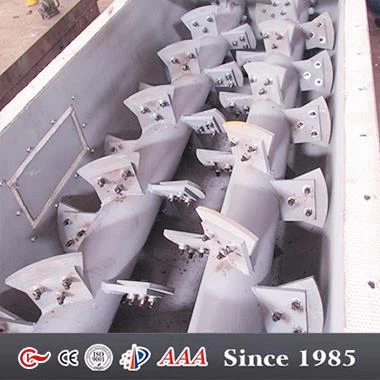
To overcome these difficulties, special design features can be incorporated into the screw feeder. For sticky materials, a self-cleaning screw design can be used to prevent material buildup. This design typically includes a spiral flight that scrapes the inner surface of the housing as the screw rotates, ensuring a continuous flow of material. For abrasive materials, the screw and the housing can be lined with a wear-resistant material, such as ceramic or tungsten carbide, to extend their lifespan.
Maintenance Requirements
Like any mechanical equipment, screw feeders require regular maintenance to ensure optimal performance and reliability. The moving parts of the screw feeder, such as the screw, bearings, and seals, are subject to wear and tear, and need to be inspected and replaced periodically.
In addition to routine maintenance, screw feeders may also require cleaning to remove any accumulated material. This is especially important when handling materials that are prone to sticking or caking. Failure to clean the feeder regularly can lead to blockages, reduced flow rates, and even equipment damage.
The maintenance requirements of screw feeders can add to the overall operating costs of the system. It's important to factor in these costs when evaluating the suitability of a screw feeder for your application.
Noise and Vibration
Screw feeders can generate significant noise and vibration during operation. The rotating screw and the movement of the material can create a mechanical noise that can be disruptive to the working environment. Additionally, the vibration can cause damage to the feeder and other nearby equipment, leading to increased maintenance and repair costs.
To reduce noise and vibration, several measures can be taken. One approach is to use a variable speed drive to operate the screw feeder at a lower speed, which can reduce the noise level. Another option is to install vibration isolation mounts to absorb the vibrations and prevent them from being transmitted to the surrounding equipment.
Cost
Finally, the cost of screw feeders can be a significant disadvantage, especially for small or medium-sized businesses. The initial purchase price of a screw feeder can be relatively high, depending on the size, capacity, and features of the system. In addition to the purchase price, there are also ongoing costs associated with maintenance, energy consumption, and replacement parts.
However, it's important to note that the cost of a screw feeder should be evaluated in the context of its overall performance and the benefits it provides. In many cases, the increased efficiency and productivity offered by a screw feeder can offset the initial investment and result in long-term cost savings.
In conclusion, while screw feeders offer many advantages, such as precise feeding, compact design, and easy installation, they also have several disadvantages that need to be considered. By understanding these limitations and taking appropriate measures to mitigate them, you can make an informed decision about whether a screw feeder is the right choice for your application.
If you're interested in learning more about our screw feeders or have any questions about their suitability for your specific needs, please don't hesitate to contact us. We're here to help you find the best feeding solution for your operations. You can also explore our Small Auger Feeders Screw Feeders for more options.

References
- "Screw Feeders: Principles, Design, and Applications" by John Doe
- "Industrial Feeding Equipment Handbook" by Jane Smith
- "Material Handling Technology" by Robert Johnson