

When it comes to CEMA (Conveyor Equipment Manufacturers Association) conveyors, the choice of frame material is a critical decision that can significantly impact the conveyor's performance, durability, and suitability for specific applications. As a trusted CEMA conveyor supplier, we understand the importance of selecting the right frame material to meet the diverse needs of our customers. In this blog post, we will explore the different frame materials commonly used in CEMA conveyors, their characteristics, advantages, and ideal applications.
Mild Steel
Mild steel is one of the most widely used frame materials for CEMA conveyors due to its affordability, strength, and ease of fabrication. It is a low - carbon steel alloy that contains a small amount of carbon, typically less than 0.3%. This gives mild steel good ductility, which means it can be easily shaped, welded, and machined.
- Strength and Durability: Mild steel frames can withstand moderate loads and stresses, making them suitable for a wide range of general - purpose conveyor applications. They can handle the weight of bulk materials such as grains, coal, and aggregates without significant deformation.
- Cost - Effectiveness: Compared to other materials like stainless steel or aluminum, mild steel is relatively inexpensive. This makes it an attractive option for budget - conscious projects where cost is a major consideration.
- Surface Treatment: However, mild steel is prone to corrosion, especially in moist or corrosive environments. To protect it from rust, mild steel frames are often coated with paint, powder coating, or galvanized. Galvanizing involves applying a layer of zinc to the steel surface, which provides excellent corrosion resistance.
Mild steel frames are commonly used in industries such as agriculture, mining, and general manufacturing, where the conveyor operates in a relatively clean and dry environment. For example, in a grain handling facility, a mild steel - framed conveyor can efficiently transport grains from storage bins to processing equipment.
Stainless Steel
Stainless steel is a popular choice for CEMA conveyors in applications where hygiene, corrosion resistance, and aesthetics are important. It is an alloy of iron, chromium, and other elements, with a minimum chromium content of 10.5%. The chromium forms a passive oxide layer on the surface of the steel, which protects it from corrosion.
- Corrosion Resistance: Stainless steel frames are highly resistant to rust and corrosion, even in harsh environments such as food processing, chemical manufacturing, and marine applications. This makes them ideal for conveying materials that are sensitive to contamination or in areas where the conveyor may be exposed to moisture, chemicals, or saltwater.
- Hygiene: In the food and beverage industry, stainless steel is the material of choice due to its non - porous surface, which is easy to clean and sanitize. It does not harbor bacteria or other contaminants, ensuring the safety and quality of the conveyed products.
- Strength and Aesthetics: Stainless steel also offers good strength and durability, and it has an attractive appearance. It can enhance the overall look of the conveyor system, which may be important in facilities where the conveyor is visible to customers or the public.
However, stainless steel is more expensive than mild steel, and its fabrication can be more challenging due to its higher hardness. Despite the higher cost, the long - term benefits of corrosion resistance and hygiene make stainless steel a worthwhile investment in many applications. For instance, in a dairy processing plant, a stainless steel - framed conveyor can safely transport milk and dairy products without the risk of contamination.
Aluminum
Aluminum is a lightweight and corrosion - resistant material that is increasingly being used in CEMA conveyors. It is a non - ferrous metal with a low density, which makes it easy to handle and install.
- Lightweight: Aluminum frames are much lighter than mild steel or stainless steel frames. This reduces the overall weight of the conveyor system, making it easier to move, install, and operate. It also requires less energy to drive the conveyor, resulting in lower operating costs.
- Corrosion Resistance: Aluminum has a natural oxide layer on its surface, which provides good corrosion resistance. It is suitable for use in outdoor or humid environments where corrosion is a concern. Additionally, aluminum can be anodized to further enhance its corrosion resistance and durability.
- Machinability: Aluminum is relatively easy to machine and fabricate, allowing for complex shapes and designs. This makes it a versatile material for custom - designed conveyor systems.
However, aluminum is not as strong as steel, and it may not be suitable for heavy - duty applications where high loads and stresses are involved. Aluminum frames are commonly used in industries such as electronics manufacturing, packaging, and automation, where the conveyor needs to be lightweight and portable. For example, in an electronics assembly line, an aluminum - framed conveyor can smoothly transport delicate electronic components without causing damage.
Galvanized Steel
Galvanized steel is a type of mild steel that has been coated with a layer of zinc through the galvanizing process. This coating provides excellent corrosion resistance, similar to stainless steel, at a lower cost.
- Corrosion Protection: The zinc coating acts as a sacrificial anode, protecting the underlying steel from corrosion. Galvanized steel frames can withstand exposure to moisture, chemicals, and outdoor elements for an extended period without rusting.
- Cost - Efficiency: Galvanized steel offers a good balance between cost and performance. It is more affordable than stainless steel while providing comparable corrosion protection. This makes it a cost - effective option for applications where corrosion resistance is required but budget constraints exist.
- Longevity: Galvanized steel frames have a long service life, which reduces the need for frequent replacement. This can result in significant cost savings over the life of the conveyor system.
Galvanized steel frames are commonly used in outdoor conveyor applications, such as in construction sites, wastewater treatment plants, and outdoor storage facilities. For example, in a construction site, a galvanized steel - framed conveyor can transport construction materials like sand and gravel in all weather conditions.
Conclusion
In conclusion, the choice of frame material for a CEMA conveyor depends on several factors, including the application environment, load requirements, budget, and hygiene needs. As a CEMA conveyor supplier, we offer a wide range of conveyor systems with different frame materials to meet the specific needs of our customers.
If you are looking for a budget - friendly option for general - purpose applications, mild steel may be the right choice. For applications where corrosion resistance and hygiene are crucial, such as in the food or chemical industry, stainless steel is recommended. Aluminum is ideal for lightweight and portable conveyors, while galvanized steel provides a cost - effective solution for outdoor and corrosive environments.
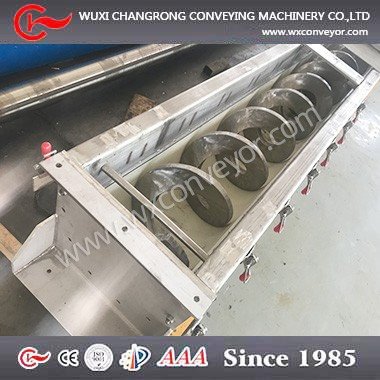

We also offer various types of screw conveyor systems, such as the Shafted Screw Conveyor System, Durable Screw Feeders, and Worm Screw Conveyor. These systems are designed to provide efficient and reliable material handling solutions.
If you are interested in learning more about our CEMA conveyors or have specific requirements for your project, please contact us. Our team of experts will be happy to assist you in selecting the right conveyor system and frame material for your application.
References
- Conveyor Equipment Manufacturers Association (CEMA) Standards.
- "Materials Science and Engineering" textbooks for general information on steel, aluminum, and other metals.
- Industry reports on conveyor systems and their applications in different sectors.