

Hey there! If you're in the market for a conveyor system, you've probably come across various types. As a mass conveyor supplier, I'm here to break down the differences between mass conveyors and other conveyors. This way, you can make an informed decision when it comes to your material handling needs.
Let's start by getting a basic understanding of what a conveyor is. A conveyor is a mechanical device used to move materials from one place to another. It's a crucial part of many industries, including manufacturing, mining, and agriculture. There are several types of conveyors out there, such as belt conveyors, screw conveyors, roller conveyors, and of course, mass conveyors.
Belt Conveyors
Belt conveyors are one of the most common types of conveyors. They consist of a continuous belt that rotates around two or more pulleys. The belt moves materials along its surface, and it can be used to transport a wide range of items, from small parts to large, heavy objects.
One of the main advantages of belt conveyors is their versatility. They can be customized to fit different lengths, widths, and inclines, making them suitable for various applications. However, they do have some limitations. For example, belt conveyors are not ideal for handling materials that are sticky or prone to getting caught in the belt. Also, they require regular maintenance to keep the belt in good condition and prevent slippage.
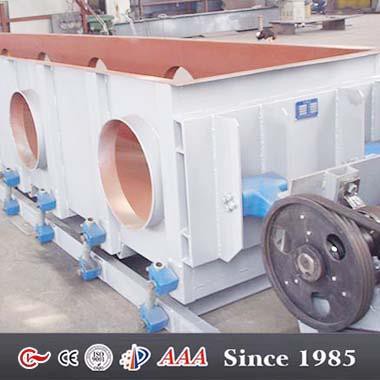
In contrast, mass conveyors are designed to handle bulk materials more efficiently. Unlike belt conveyors, mass conveyors use a vibrating motion to move materials. This vibrating action allows the materials to flow smoothly along the conveyor trough, even if they are sticky or have irregular shapes. You can learn more about our Mass Conveyor for Bulk Material Handling.
Screw Conveyors
Screw conveyors, also known as auger conveyors, use a rotating screw blade to move materials along a trough. They are commonly used to transport granular or powdery materials, such as grains, cement, and chemicals.
Screw conveyors are relatively simple in design and can be used in a variety of applications. They are also suitable for handling materials at different angles, including vertical and inclined positions. However, they have some drawbacks. Screw conveyors can be prone to clogging, especially when handling materials with large particles or high moisture content. They also require a significant amount of power to operate, which can increase energy costs.
Mass conveyors, on the other hand, offer a more energy - efficient solution for handling bulk materials. The vibrating motion of mass conveyors reduces the friction between the materials and the conveyor trough, resulting in lower power consumption. Additionally, the open - trough design of mass conveyors makes them less likely to clog compared to screw conveyors. Check out our Vibration Conveyor Mass Conveyor for more details.
Roller Conveyors
Roller conveyors use a series of rollers to move materials. They are often used in warehouses, distribution centers, and manufacturing plants to transport boxes, pallets, and other unit loads.
Roller conveyors are easy to install and can be integrated with other material handling equipment. They are also suitable for handling heavy loads. However, they are not well - suited for handling loose or small materials. If the materials are not properly contained, they can fall through the gaps between the rollers.
Mass conveyors, with their enclosed trough design, are better at handling loose and small materials. The vibrating motion ensures that the materials are evenly distributed and moved along the conveyor without the risk of spillage.
Advantages of Mass Conveyors
One of the key advantages of mass conveyors is their ability to handle a wide range of bulk materials. Whether you're dealing with coal, sand, gravel, or food products, mass conveyors can get the job done. The vibrating motion allows the materials to flow freely, reducing the chances of blockages and ensuring a continuous flow of materials.
Another advantage is their low maintenance requirements. Mass conveyors have fewer moving parts compared to other types of conveyors, which means there are fewer components that can wear out or break down. This results in lower maintenance costs and less downtime for your operations.
Mass conveyors are also very energy - efficient. As mentioned earlier, the vibrating motion reduces friction, which in turn reduces the amount of power needed to operate the conveyor. This can lead to significant savings in energy costs over time.
Applications of Mass Conveyors
Mass conveyors are used in a variety of industries. In the mining industry, they are used to transport ores, coal, and other minerals. In the food industry, they can be used to move grains, flour, and other food products. They are also commonly used in the chemical industry to handle chemicals and powders.
Considerations When Choosing a Conveyor
When choosing a conveyor system for your business, there are several factors to consider. First, you need to think about the type of materials you'll be handling. If you're dealing with bulk materials, a mass conveyor is likely to be a better choice. However, if you're transporting unit loads, such as boxes or pallets, a roller conveyor might be more suitable.
You also need to consider the capacity of the conveyor. How much material do you need to move per hour? Make sure the conveyor you choose can handle your required throughput.

Another important factor is the layout of your facility. You need to ensure that the conveyor can fit into your available space and be integrated with other equipment in your production line.
Conclusion
In conclusion, mass conveyors offer several advantages over other types of conveyors when it comes to handling bulk materials. Their vibrating motion, energy efficiency, and low maintenance requirements make them a great choice for many industries. If you're looking for a reliable and efficient way to handle your bulk materials, a mass conveyor could be the solution you need.
If you're interested in learning more about our mass conveyors or discussing your specific material handling needs, feel free to reach out. We'd be happy to help you find the right conveyor system for your business.
References
- Industry standards and best practices for conveyor systems
- Technical manuals and specifications of various conveyor types