

As a supplier of screw feeders, I understand the importance of chemical resistance in various industrial applications. Screw feeders are widely used in industries such as chemical processing, food production, pharmaceuticals, and mining to transport and meter bulk materials. However, when dealing with corrosive or reactive chemicals, the chemical resistance of the screw feeder becomes a critical factor in ensuring its long - term performance and reliability.
Understanding Chemical Resistance Requirements
Chemical resistance refers to the ability of a material to withstand the corrosive effects of chemicals without significant degradation. In the context of screw feeders, this means that the components of the feeder, such as the screw, housing, and seals, must be made of materials that can resist the specific chemicals they will come into contact with.
The chemical resistance requirements for screw feeders depend on several factors:
1. Type of Chemicals
Different chemicals have different levels of corrosiveness. For example, strong acids like sulfuric acid and hydrochloric acid are highly corrosive and can quickly damage unprotected metal surfaces. On the other hand, some milder chemicals, such as water - based solutions or certain organic solvents, may have a less severe impact on the materials.
When selecting materials for screw feeders, it is essential to have a detailed understanding of the chemical composition of the substances to be handled. This includes information about the concentration, temperature, and pH of the chemicals. For instance, a high - concentration acid at an elevated temperature will require more robust and corrosion - resistant materials compared to a dilute acid at room temperature.
2. Operating Conditions
The operating environment of the screw feeder also plays a significant role in determining the chemical resistance requirements. Factors such as temperature, pressure, humidity, and the presence of other contaminants can affect the performance of the materials.
High temperatures can accelerate chemical reactions and increase the rate of corrosion. In addition, high - pressure environments may require materials with better mechanical strength to withstand the stress. Humidity can also cause corrosion, especially in combination with certain chemicals. Therefore, the screw feeder must be designed to operate effectively under the specific conditions of the application.
3. Contact Time
The length of time that the screw feeder components are in contact with the chemicals is another important consideration. Continuous exposure to corrosive chemicals can cause more damage than intermittent contact. In applications where the screw feeder is constantly handling corrosive materials, more durable and corrosion - resistant materials should be used.

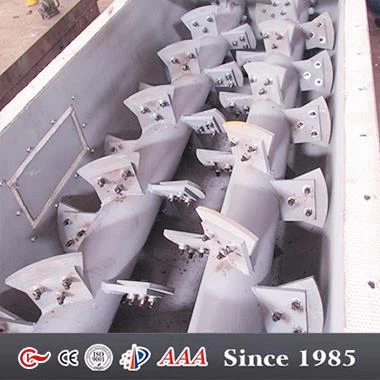
Suitable Materials for Chemical - Resistant Screw Feeders
Based on the chemical resistance requirements, several materials can be used to manufacture screw feeders:
1. Stainless Steel
Stainless steel is a popular choice for chemical - resistant screw feeders due to its excellent corrosion resistance, high strength, and good machinability. Different grades of stainless steel offer varying levels of chemical resistance. For example, 304 stainless steel is suitable for many mild chemical applications, while 316 stainless steel, which contains molybdenum, provides better resistance to pitting and crevice corrosion in more aggressive environments, such as those involving chlorides.
2. Polyethylene
Polyethylene is a lightweight and cost - effective thermoplastic polymer that offers good chemical resistance to many acids, alkalis, and solvents. It is commonly used for the lining of screw feeder housings or as the material for the screw itself in applications where moderate chemical resistance is required. Polyethylene is also resistant to moisture, which makes it suitable for use in humid environments.
3. PTFE (Polytetrafluoroethylene)
PTFE is known for its exceptional chemical resistance and low coefficient of friction. It can withstand a wide range of chemicals, including strong acids, alkalis, and organic solvents. PTFE is often used as a coating or lining material for screw feeder components to provide a smooth and non - stick surface, which helps in the efficient flow of materials and reduces the risk of chemical adhesion and corrosion.
4. Fiberglass Reinforced Plastic (FRP)
FRP is a composite material made of glass fibers embedded in a polymer matrix. It offers good chemical resistance, high strength - to - weight ratio, and excellent corrosion protection. FRP can be customized to meet specific chemical resistance requirements and is often used in applications where the screw feeder needs to handle corrosive chemicals in a rugged environment.
Importance of Proper Material Selection
Selecting the right materials for chemical - resistant screw feeders is crucial for several reasons:
1. Extended Service Life
Using materials with appropriate chemical resistance can significantly extend the service life of the screw feeder. Corrosion and degradation of the feeder components can lead to frequent breakdowns, maintenance costs, and production downtime. By choosing materials that can withstand the chemical environment, the feeder can operate reliably for a longer period, reducing the overall cost of ownership.
2. Product Quality
In applications such as food production and pharmaceuticals, the chemical resistance of the screw feeder is essential to maintain product quality. Contamination of the processed materials by corroded metal particles or chemical residues can compromise the safety and efficacy of the final products. Therefore, using materials that are chemically compatible with the substances being handled is critical to ensure product purity.
3. Safety
Corrosion of the screw feeder components can also pose safety risks. Weakened or damaged parts can cause mechanical failures, leading to spills, leaks, or even explosions in some cases. By selecting materials with high chemical resistance, the risk of such safety hazards can be minimized, ensuring a safe working environment for the operators.
Our Range of Chemical - Resistant Screw Feeders
As a leading supplier of screw feeders, we offer a comprehensive range of products designed to meet the diverse chemical - resistant requirements of our customers. Our Small Auger Feeders Screw Feeders are suitable for small - scale applications where precise material feeding is required. They are available in different materials, including stainless steel and polyethylene, to provide excellent chemical resistance for various chemicals.
For larger - scale or more complex applications, our Twin Screw Feeder Feed Conveyor System offers high - capacity and efficient material handling. The twin - screw design provides better control over the feed rate and can be customized with different materials and coatings to ensure optimal chemical resistance.
We understand that every application is unique, and we work closely with our customers to understand their specific chemical - resistant requirements. Our experienced engineering team can provide expert advice on material selection, design optimization, and installation to ensure that our screw feeders meet the highest standards of performance and reliability in chemical - handling applications.
Contact Us for Your Screw Feeder Needs
If you are looking for high - quality, chemical - resistant screw feeders for your industrial application, we invite you to contact us. Our dedicated sales team is ready to assist you in selecting the right product for your specific requirements. We can provide detailed product information, technical specifications, and quotation upon request. Whether you are in the chemical processing, food, pharmaceutical, or any other industry that requires reliable material handling equipment, we have the solution for you.
References
- Callister, W. D., & Rethwisch, D. G. (2017). Materials Science and Engineering: An Introduction (10th ed.). Wiley.
- Schaschke, C., & Herwig, K. - H. (2019). Chemical Engineering Volume 1: Fluid Flow, Heat Transfer and Mass Transfer. Wiley - VCH.