

As a supplier in the industry of screw feeders, I've witnessed firsthand the transformative impact these devices can have on various industrial processes. Screw feeders are mechanical devices that use a rotating helical screw blade, often called an auger, to move materials from one location to another. They are a staple in industries such as agriculture, food processing, chemical manufacturing, and mining, among others. In this blog, I'll delve into the numerous advantages of screw feeders and explain why they are a smart investment for businesses.
1. Precise Material Delivery
One of the most significant advantages of screw feeders is their ability to provide precise and consistent material delivery. The rotation speed of the screw can be accurately controlled, allowing for a specific volume or mass of material to be dispensed over a given period. This precision is crucial in industries where the exact amount of raw material is required for a process. For example, in the pharmaceutical industry, where even a slight deviation in the amount of an active ingredient can have serious consequences, screw feeders ensure that the right quantity of material is fed into the production line.
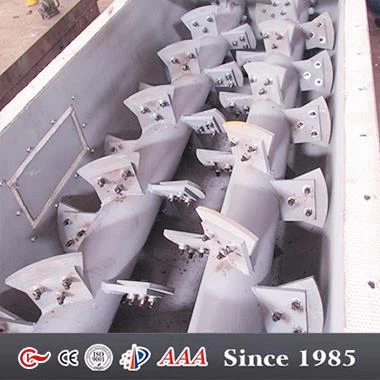
The accuracy of screw feeders is further enhanced by their design. The screw is typically enclosed in a tube or trough, which prevents material spillage and ensures that all the material is moved along the desired path. This containment also helps to maintain a clean working environment, reducing the risk of contamination and improving overall safety.
2. Versatility in Material Handling
Screw feeders are incredibly versatile and can handle a wide range of materials, from fine powders to large chunks. They can be used to convey dry materials such as grains, cement, and plastics, as well as wet or sticky substances like sludge and slurries. The design of the screw can be customized to suit the specific characteristics of the material being handled. For instance, a screw with a larger pitch may be used for free - flowing materials, while a screw with a smaller pitch and a more aggressive design may be required for materials that tend to stick or bridge.
This versatility makes screw feeders suitable for a variety of industries. In the food processing industry, they can be used to transfer ingredients such as flour, sugar, and spices. In the mining industry, they are used to move ore and other heavy materials. Whether you need to handle abrasive, corrosive, or fragile materials, there is a screw feeder design that can meet your requirements.
3. Compact and Space - Efficient Design
Another advantage of screw feeders is their compact design. They can be installed in relatively small spaces, making them ideal for facilities where floor space is limited. Unlike some other types of conveyors, which may require a large footprint, screw feeders can be configured to fit into tight areas, such as between processing equipment or in existing production lines.
The compact design also means that screw feeders can be easily integrated into new or existing systems. They can be mounted horizontally, vertically, or at an incline, depending on the specific requirements of the application. This flexibility allows for efficient use of space and can help to optimize the layout of a production facility.
4. Low Maintenance Requirements
Screw feeders are known for their low maintenance requirements. They have relatively few moving parts, which reduces the likelihood of mechanical failures and the need for frequent repairs. The simple design of the screw and the drive system makes them easy to clean and inspect. Regular maintenance typically involves checking the drive motor, lubricating the bearings, and inspecting the screw for wear.
In addition, the materials used in the construction of screw feeders are often durable and resistant to wear and corrosion. This means that they can withstand the harsh conditions of industrial environments and have a long service life. By reducing maintenance costs and downtime, screw feeders can help businesses to improve their overall efficiency and profitability.
5. Cost - Effective Solution
When it comes to cost, screw feeders offer a cost - effective solution for material handling. They are generally less expensive to purchase and install compared to some other types of conveyors, such as belt conveyors or pneumatic conveyors. The low maintenance requirements also contribute to their cost - effectiveness, as they reduce the long - term operating costs.
Furthermore, the energy consumption of screw feeders is relatively low. The power required to drive the screw is typically much less than that of other conveying systems, which can result in significant energy savings over time. This makes screw feeders an environmentally friendly and cost - efficient choice for businesses looking to reduce their energy consumption and operating costs.
6. Dust - Free Operation
Screw feeders can be designed to operate in a dust - free manner. The enclosed design of the screw trough or tube prevents dust from escaping into the surrounding environment. This is particularly important in industries where dust can pose a health hazard, such as in the handling of cement or chemicals.
By minimizing dust emissions, screw feeders help to create a safer and healthier working environment for employees. They also reduce the risk of product contamination and damage to equipment, which can lead to costly downtime and repairs.
7. Easy to Control and Automate
Screw feeders are easy to control and can be integrated into automated systems. The speed of the screw can be adjusted using a variable frequency drive (VFD), allowing for precise control of the material flow rate. This makes it possible to synchronize the operation of the screw feeder with other equipment in the production line, such as mixers, crushers, or packaging machines.
Automation of screw feeders can improve the efficiency and accuracy of the material handling process. It can also reduce the need for manual labor, which can lead to cost savings and improved safety. For example, in a fully automated production line, the screw feeder can be programmed to start and stop based on the level of material in a hopper or the demand from downstream equipment.
Explore Our Screw Feeder Products
If you're interested in learning more about our screw feeder products, we offer a range of options to meet your specific needs. Check out our Twin Screw Feeder Feed Conveyor System, which provides enhanced performance and efficiency for handling a variety of materials. For smaller scale applications, our Small Auger Feeders Screw Feeders are a great choice.
In conclusion, screw feeders offer a multitude of advantages that make them an excellent choice for material handling in various industries. Their precision, versatility, compact design, low maintenance, cost - effectiveness, dust - free operation, and ease of control make them a valuable asset for any business. If you're looking to improve your material handling processes, I encourage you to consider investing in a screw feeder. Contact us today to discuss your specific requirements and explore how our screw feeders can benefit your operations.

References
- "Screw Conveyor Handbook" by the Conveyor Equipment Manufacturers Association (CEMA)
- "Industrial Material Handling: Equipment and Systems" by various industry experts
- Research papers on material handling technology from academic journals in the field of mechanical engineering.