

Hey there! As a supplier of drag conveyors, I've seen firsthand the many benefits these machines bring to various industries. In this blog, I'm gonna break down the advantages of a drag conveyor and why it might just be the perfect solution for your material handling needs.
1. Versatility
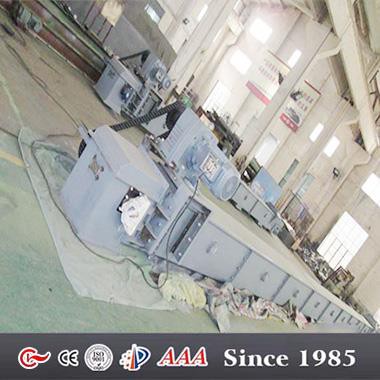
One of the biggest perks of a drag conveyor is its versatility. It can handle a wide range of materials, from powders and granules to large chunks of solids. Whether you're dealing with grains, coal, sand, or even chemicals, a drag conveyor can get the job done. For example, in the agricultural industry, a Grain Drag Conveyor Drag Chain Conveyor is a popular choice for moving grains from one place to another. It can easily transport wheat, corn, and other grains without causing any damage to the product.
This versatility also extends to the conveyor's design. Drag conveyors can be customized to fit different layouts and space requirements. They can be installed horizontally, vertically, or at an incline, depending on your facility's needs. You can also choose from different types of drag chains and flight designs to optimize the conveyor's performance for your specific material.
2. Efficiency
When it comes to moving materials, efficiency is key. Drag conveyors are known for their high efficiency in transporting materials over long distances. Unlike some other types of conveyors, drag conveyors can operate continuously without the need for frequent stops and starts. This means that you can move large volumes of material in a relatively short amount of time.
The design of the drag conveyor also contributes to its efficiency. The drag chain and flights push the material along the trough, minimizing the amount of spillage and waste. This not only saves you money on lost material but also reduces the need for cleanup. Additionally, drag conveyors require less power to operate compared to some other conveyor systems, which can result in significant energy savings over time.
3. Durability
Another advantage of a drag conveyor is its durability. These conveyors are built to last, with heavy-duty components that can withstand harsh operating conditions. The drag chain is typically made of high-strength steel, which can resist wear and tear even when transporting abrasive materials. The trough is also designed to be robust, protecting the chain and flights from damage.
Because of their durability, drag conveyors require less maintenance compared to some other types of conveyors. You don't have to worry about constantly replacing parts or dealing with breakdowns. This means less downtime for your operation and more productivity. In fact, many drag conveyors can operate for years with only minimal maintenance, making them a cost-effective investment in the long run.
4. Dust Containment
In industries where dust is a concern, such as mining, cement production, and food processing, drag conveyors offer a great solution for dust containment. The enclosed trough design of the drag conveyor helps to keep dust and other particles inside the conveyor, preventing them from escaping into the surrounding environment. This not only improves the air quality in your facility but also reduces the risk of health hazards for your workers.
Some drag conveyors can also be equipped with additional features to further enhance dust containment, such as dust seals and ventilation systems. These features can help to ensure that your operation meets all the necessary environmental regulations.
5. Precise Material Handling
Drag conveyors allow for precise control over the movement of materials. You can adjust the speed of the conveyor to match the flow rate of your production process. This means that you can ensure a consistent and controlled delivery of materials, which is crucial in many industries.
For example, in a manufacturing process where precise amounts of materials need to be added at specific times, a drag conveyor can be programmed to deliver the exact quantity of material required. This helps to improve the quality of your products and reduce waste. The ability to control the movement of materials also makes it easier to integrate the drag conveyor with other equipment in your production line.
6. Cost-Effectiveness
When you consider all the advantages mentioned above, it's clear that drag conveyors are a cost-effective solution for material handling. Their high efficiency, durability, and low maintenance requirements mean that you'll save money on energy costs, replacement parts, and downtime. Additionally, the ability to handle a wide range of materials and the customization options available make drag conveyors a versatile investment that can adapt to your changing business needs.

Compared to some other conveyor systems, drag conveyors are generally more affordable to purchase and install. You don't have to spend a fortune on expensive equipment or complex installation processes. This makes them a great option for small and medium-sized businesses that are looking for a reliable and cost-effective material handling solution.
Conclusion
So, there you have it - the many advantages of a drag conveyor. Whether you're looking for a versatile, efficient, durable, and cost-effective way to move materials in your industry, a drag conveyor might be the answer. If you're interested in learning more about our drag conveyors or discussing how they can fit into your operation, don't hesitate to reach out. We're here to help you find the perfect solution for your material handling needs. Let's start a conversation and see how we can work together to improve your productivity and bottom line.
References
- Industry standard handbooks on material handling equipment
- Case studies from various industries using drag conveyors