

As a custom mixer supplier, I understand the importance of continuously upgrading the technology of our products to meet the ever - evolving needs of the market. A well - upgraded mixer can offer better performance, higher efficiency, and greater reliability, which are all crucial factors for our customers. In this blog, I will share some effective ways to upgrade the technology of a custom mixer.
1. Incorporate Advanced Control Systems
One of the most significant ways to upgrade a custom mixer is by integrating advanced control systems. Traditional mixers often rely on simple manual controls or basic automation, which may not provide precise and consistent mixing results. Modern control systems, such as Programmable Logic Controllers (PLCs) and Human - Machine Interfaces (HMIs), can offer a high level of control and monitoring.
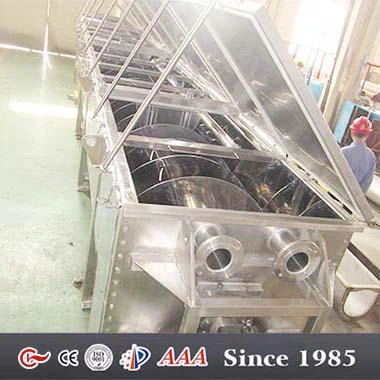

PLCs can be programmed to control various aspects of the mixing process, including speed, time, and the sequence of operations. They can also adjust the mixing parameters in real - time based on feedback from sensors, ensuring that the mixture meets the desired specifications. For example, if the density of the mixture changes during the mixing process, the PLC can automatically adjust the speed of the mixer to maintain a uniform blend.
HMIs provide an intuitive interface for operators to interact with the mixer. Through the HMI, operators can easily set the mixing parameters, monitor the status of the mixer, and receive alerts in case of any malfunctions. This not only simplifies the operation process but also reduces the risk of human error.
2. Upgrade the Mixing Mechanism
The mixing mechanism is the heart of a mixer, and upgrading it can significantly improve the mixing performance. There are several ways to upgrade the mixing mechanism:
Use High - Performance Mixing Elements
For example, instead of using traditional mixing paddles, we can adopt high - performance agitators. These agitators are designed with special shapes and configurations to create more intense turbulence and better shear forces, which can result in a more thorough mixing of the materials. In the case of a Conveyor Screw Coffee Screw Ribbon Mixer for Coffee System, the screw ribbon design can effectively convey and mix coffee beans or powder, ensuring a uniform extraction of flavors.
Optimize the Mixer Geometry
The shape and size of the mixer vessel also play an important role in the mixing process. By optimizing the mixer geometry, such as the aspect ratio of the vessel and the position of the mixing elements, we can improve the flow patterns of the materials inside the mixer. This can lead to a more efficient and uniform mixing process. For instance, a properly designed conical - shaped mixer can help in better material flow and prevent dead zones where the materials may not be well - mixed.
3. Implement Energy - Saving Technologies
In today's world, energy efficiency is a major concern for many industries. By implementing energy - saving technologies in custom mixers, we can not only reduce the operating costs for our customers but also contribute to environmental protection.
Use High - Efficiency Motors
High - efficiency motors consume less energy while providing the same or even better performance compared to traditional motors. These motors are designed with advanced magnetic materials and optimized winding configurations, which can significantly reduce the energy losses during operation. For example, a variable - speed drive (VSD) motor can adjust the motor speed according to the actual load requirements of the mixer, saving energy during periods of low - demand operation.
Improve the Insulation of the Mixer
Proper insulation of the mixer can reduce heat losses, especially for mixers that operate at high temperatures. By using high - quality insulation materials, we can minimize the energy required to maintain the desired temperature inside the mixer, thus improving the overall energy efficiency.
4. Enhance the Durability and Reliability
A reliable and durable mixer is essential for continuous and efficient operation. To enhance the durability and reliability of custom mixers, we can take the following measures:
Use High - Quality Materials
Selecting high - quality materials for the construction of the mixer is crucial. For example, using corrosion - resistant materials for the mixer vessel and mixing elements can prevent damage caused by chemical reactions with the materials being mixed. Stainless steel is a commonly used material in the food and beverage industry due to its excellent corrosion resistance and hygienic properties.
Implement Predictive Maintenance Technologies
Predictive maintenance technologies, such as vibration analysis and temperature monitoring, can help detect potential problems in the mixer before they cause major breakdowns. By continuously monitoring the operating conditions of the mixer, we can schedule maintenance activities in advance, reducing the downtime and maintenance costs. For example, if the vibration level of the mixer exceeds a certain threshold, it may indicate a problem with the bearings or other rotating components, and maintenance can be carried out immediately.
5. Integrate with Industry 4.0 Technologies
Industry 4.0 technologies, such as the Internet of Things (IoT), Big Data, and Artificial Intelligence (AI), are transforming the manufacturing industry. By integrating custom mixers with these technologies, we can achieve greater efficiency and productivity.
IoT Connectivity
Connecting the mixer to the IoT allows for real - time data collection and remote monitoring. Sensors installed on the mixer can collect various data, such as temperature, pressure, and speed, and transmit them to a cloud - based platform. This data can be accessed by operators and engineers from anywhere, enabling them to monitor the performance of the mixer, troubleshoot problems, and make informed decisions. For example, if a mixer in a remote location starts to show abnormal behavior, the operator can receive an alert on their mobile device and take appropriate action.
Big Data Analytics
Big data analytics can process the large amount of data collected from the mixer to identify patterns and trends. This can help in optimizing the mixing process, improving the quality of the mixture, and predicting maintenance requirements. For example, by analyzing historical data on the mixing time and power consumption, we can develop algorithms to optimize the mixing parameters for different types of materials.
AI - Enabled Automation
Artificial Intelligence can be used to automate complex decision - making processes in the mixing operation. For example, an AI - based system can analyze the characteristics of the materials being mixed and automatically adjust the mixing parameters to achieve the best possible results. This can reduce the need for manual intervention and improve the consistency of the mixing process.
6. Consider the Special Requirements of Different Industries
Different industries have different requirements for mixers. As a custom mixer supplier, we need to consider these special requirements when upgrading the technology.
Food and Beverage Industry
In the food and beverage industry, hygiene is of utmost importance. Mixers used in this industry need to be designed and constructed in a way that they can be easily cleaned and sanitized to prevent contamination. For example, the mixer should have smooth surfaces and no crevices where bacteria can accumulate. Additionally, the materials used in the mixer should be food - grade and comply with relevant safety standards.
Chemical Industry
The chemical industry often deals with corrosive and hazardous materials. Mixers used in this industry need to be made of materials that can withstand the corrosion and high - pressure conditions. They also need to be designed with proper safety features, such as explosion - proof enclosures and leakage detection systems. The Sludge Mixer Mixing Screw Conveyors used in the chemical wastewater treatment process need to be robust enough to handle the thick and abrasive sludge.
Conclusion
Upgrading the technology of a custom mixer is a multi - faceted process that involves integrating advanced control systems, upgrading the mixing mechanism, implementing energy - saving technologies, enhancing durability and reliability, integrating with Industry 4.0 technologies, and considering the special requirements of different industries. By continuously improving the technology of our mixers, we can provide our customers with more efficient, reliable, and high - quality products.
If you are interested in upgrading your existing mixers or purchasing new custom mixers, we are here to help. Our team of experts can work with you to understand your specific needs and provide the best - suited solutions. Contact us for more information and to start a procurement discussion.
References
- Brown, T. R. (2018). Handbook of Industrial Mixing: Science and Practice. Wiley.
- Smith, J. D. (2020). Advances in Mixer Technology for the Food Industry. Journal of Food Engineering, 278, 109732.