

Troubleshooting a mass conveyor is a crucial skill for anyone involved in bulk material handling. As a supplier of mass conveyors, I've encountered a wide range of issues over the years. In this blog post, I'll share some common problems and effective solutions to help you keep your mass conveyor running smoothly.

Understanding the Basics of Mass Conveyors
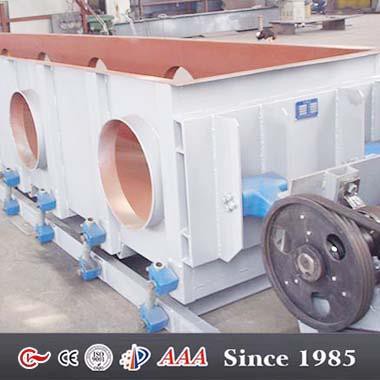
Before diving into troubleshooting, it's essential to understand how a mass conveyor works. Mass conveyors, also known as Vibration Conveyor Mass Conveyor, are designed to move bulk materials such as grains, powders, and minerals. They operate on the principle of vibration, which causes the material to move along the conveyor trough.
The main components of a mass conveyor include the trough, the drive unit, and the support structure. The trough is where the material is carried, and it's usually made of steel or other durable materials. The drive unit generates the vibration necessary to move the material, and it can be powered by electric motors, pneumatic systems, or hydraulic systems. The support structure holds the trough and the drive unit in place and ensures stable operation.
Common Problems and Solutions
1. Material Not Moving or Moving Slowly
One of the most common issues with mass conveyors is the material not moving or moving too slowly. This can be caused by several factors:
- Insufficient Vibration: Check the drive unit to ensure it's functioning properly. If the vibration amplitude is too low, the material won't move effectively. You may need to adjust the settings on the drive unit or replace worn-out components.
- Blockages: Inspect the trough for any blockages. Material buildup, foreign objects, or damaged parts can obstruct the flow of the material. Clear any blockages and make sure the trough is clean.
- Incorrect Trough Angle: The angle of the trough can affect the material flow. If the trough is not at the correct angle, the material may not move as expected. Adjust the trough angle according to the manufacturer's recommendations.
2. Excessive Noise or Vibration
Excessive noise or vibration can indicate a problem with the conveyor. Here are some possible causes and solutions:
- Loose Components: Check all the bolts, nuts, and other fasteners to make sure they're tightened properly. Loose components can cause vibrations and noise. Tighten any loose parts and inspect the conveyor regularly to prevent this issue.
- Worn-out Bearings: Bearings are critical components in the drive unit. If they're worn out, they can cause excessive noise and vibration. Replace any worn-out bearings as soon as possible to avoid further damage.
- Imbalanced Drive Unit: An imbalanced drive unit can also lead to excessive vibration. Check the drive unit for any signs of imbalance and adjust it if necessary. You may need to consult the manufacturer's manual or a professional technician for this task.
3. Conveyor Belt Issues
If your mass conveyor uses a belt, you may encounter belt-related problems:
- Belt Slippage: Belt slippage can occur if the belt tension is too low or the belt is dirty. Adjust the belt tension according to the manufacturer's instructions and clean the belt regularly to prevent slippage.
- Belt Damage: Inspect the belt for any signs of damage, such as tears, cuts, or fraying. Replace the damaged belt immediately to avoid further issues.
- Belt Misalignment: A misaligned belt can cause uneven wear and tear and reduce the conveyor's efficiency. Check the belt alignment and adjust it if necessary. You may need to use alignment tools or consult a professional for this task.
4. Electrical Problems
Electrical issues can also affect the performance of the mass conveyor:
- Power Supply Issues: Check the power supply to ensure it's stable and within the required voltage range. A fluctuating power supply can cause the drive unit to malfunction. If there are any power supply problems, contact an electrician to resolve them.
- Faulty Wiring: Inspect the wiring for any signs of damage, such as frayed wires or loose connections. Repair or replace any damaged wiring to prevent electrical hazards and ensure proper operation of the conveyor.
- Malfunctioning Control Panel: The control panel is responsible for controlling the operation of the conveyor. If it's malfunctioning, the conveyor may not work correctly. Check the control panel for any error messages or indicators and follow the troubleshooting instructions in the manufacturer's manual.
Preventive Maintenance
Preventive maintenance is key to avoiding many of the problems mentioned above. Here are some maintenance tips:
- Regular Inspections: Conduct regular inspections of the conveyor to check for any signs of wear and tear, damage, or loose components. Inspect the trough, drive unit, support structure, and all other parts of the conveyor.
- Lubrication: Lubricate all the moving parts, such as bearings and gears, according to the manufacturer's recommendations. Proper lubrication can reduce friction and wear, extending the lifespan of the components.
- Cleaning: Keep the conveyor clean to prevent material buildup and blockages. Regularly clean the trough, drive unit, and other parts of the conveyor.
- Training: Provide proper training to the operators and maintenance personnel. They should know how to operate the conveyor safely and perform basic maintenance tasks.
When to Seek Professional Help
While many conveyor problems can be resolved with basic troubleshooting and maintenance, there are times when you may need to seek professional help. If you're unable to diagnose or fix the problem, or if the issue involves complex electrical or mechanical components, it's best to contact a professional technician or the manufacturer's support team.
Conclusion
Troubleshooting a mass conveyor requires a good understanding of its operation and components. By following the tips and solutions outlined in this blog post, you can identify and resolve common problems, ensuring the efficient and reliable operation of your mass conveyor.
If you're in the market for a Mass Conveyor for Bulk Material Handling, we're here to help. Our mass conveyors are designed to meet the highest standards of quality and performance. Contact us today to discuss your specific requirements and explore how our products can benefit your business.
References
- Manufacturer's manuals for mass conveyors
- Industry standards and best practices for bulk material handling