

Hey there! As a supplier of CEMA conveyors, I've got a ton of experience when it comes to transporting liquid - containing materials. In this blog, I'm gonna share some tips and tricks on how to do it right using a CEMA conveyor.
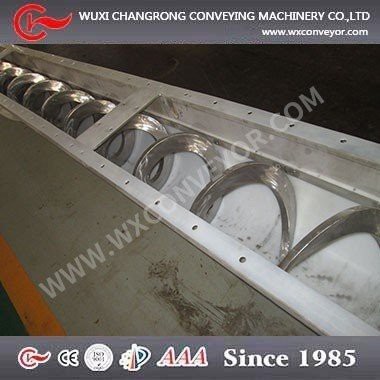

First off, let's talk about what a CEMA conveyor is. CEMA stands for Conveyor Equipment Manufacturers Association. CEMA conveyors are designed to meet certain standards, which makes them reliable and efficient for various material - handling tasks. When it comes to liquid - containing materials, these conveyors can be a game - changer.
Understanding the Challenges of Transporting Liquid - Containing Materials
Liquid - containing materials come with their own set of challenges. For starters, liquids are prone to spillage. If the conveyor isn't designed properly, you could end up with a messy workplace and wasted materials. Also, some liquids might be corrosive, which can damage the conveyor over time. And let's not forget about the flow characteristics of the liquid. Some liquids are thick and viscous, while others are thin and runny. Each type requires a different approach.
Choosing the Right CEMA Conveyor
Not all CEMA conveyors are created equal, especially when it comes to transporting liquids. There are a few types that work really well for this purpose.
One option is the screw conveyor. Screw conveyors are great for moving liquid - containing materials because they can handle both the liquid and any solid particles that might be mixed in. The rotating screw pushes the material along the trough, and the design helps to prevent spillage. We have some great screw conveyors in our lineup, like the Auto Grains Spiral Conveyor and the Miniature Screw Conveyor. The Auto Grains Spiral Conveyor is perfect for handling larger volumes of liquid - containing materials, while the Miniature Screw Conveyor is great for smaller - scale operations.
Another type of conveyor that's suitable for liquids is the U - shaped conveyor. The U Shaped Conveyor has a unique design that provides a larger cross - sectional area for the material to flow through. This is especially useful for liquids that have a high flow rate. The U - shape also helps to contain the liquid and reduces the risk of spillage.
Material Selection
The material of the conveyor is crucial when dealing with liquid - containing materials. If the liquid is corrosive, you need to choose a conveyor made from a material that can withstand the corrosion. Stainless steel is a popular choice because it's resistant to many types of chemicals. It's also easy to clean, which is important for maintaining hygiene when transporting liquids.
For non - corrosive liquids, you might be able to use a conveyor made from mild steel. However, you'll still need to take steps to prevent rusting, such as applying a protective coating.
Design Considerations
When designing a CEMA conveyor for liquid - containing materials, there are a few things to keep in mind.
The slope of the conveyor is important. If the slope is too steep, the liquid might flow too quickly and cause spillage. On the other hand, if the slope is too shallow, the material might not move at all. You need to find the right balance based on the viscosity of the liquid and the conveyor's capacity.
The speed of the conveyor also matters. A higher speed can increase the throughput, but it can also lead to more splashing and spillage. You'll need to experiment to find the optimal speed for your specific liquid - containing material.
Sealing is another key factor. You want to make sure that the conveyor is well - sealed to prevent any leaks. This might involve using gaskets, seals, or other types of closures at the joints and openings of the conveyor.
Maintenance and Cleaning
Regular maintenance and cleaning are essential for keeping your CEMA conveyor in good working condition when transporting liquid - containing materials.
After each use, you should clean the conveyor thoroughly to remove any residual liquid and debris. This helps to prevent corrosion and clogging. You can use a mild detergent and water to clean the conveyor, but make sure to follow the manufacturer's instructions.
Inspect the conveyor regularly for any signs of wear and tear. Check the belts, chains, screws, and other components for damage. Replace any worn - out parts immediately to avoid breakdowns.
Safety Precautions
Safety should always be a top priority when working with liquid - containing materials and CEMA conveyors.
Make sure that all operators are properly trained on how to use the conveyor. They should know how to start and stop the conveyor safely, how to load and unload the materials, and what to do in case of an emergency.
Wear appropriate personal protective equipment (PPE), such as gloves, goggles, and aprons. This will protect you from any splashes or spills.
Install safety guards around the conveyor to prevent accidental contact with moving parts. Also, make sure that the conveyor is properly grounded to prevent electrical hazards.
Cost - Effectiveness
Transporting liquid - containing materials using a CEMA conveyor can be cost - effective in the long run. While the initial investment might be higher compared to some other types of conveyors, the reliability and efficiency of CEMA conveyors can save you money in the long term. You'll have fewer breakdowns, less waste, and lower maintenance costs.
Conclusion
Transporting liquid - containing materials using a CEMA conveyor is definitely doable, but it requires careful planning and the right approach. By choosing the right conveyor, considering the material and design, performing regular maintenance, and following safety precautions, you can ensure a smooth and efficient operation.
If you're interested in learning more about our CEMA conveyors or need help with transporting liquid - containing materials, don't hesitate to reach out. We're here to help you find the best solution for your needs. Let's start a conversation and see how we can work together to improve your material - handling process.
References
- CEMA Handbook of Bulk Material Handling Conveyor Design
- Various industry reports on conveyor systems for liquid - containing materials