

Hey there! As a mixer supplier, I've seen my fair share of challenges when it comes to transporting these hefty machines safely. Mixers are crucial pieces of equipment in various industries, from food and beverage to construction and waste management. So, getting them from point A to point B without a scratch is super important. In this blog, I'll share some tips and tricks on how to transport a mixer safely.
Pre - transport Checks
Before you even think about moving the mixer, you've got to do a thorough inspection. First off, check the overall condition of the mixer. Look for any loose parts, cracks, or signs of wear and tear. Tighten any loose bolts or screws to prevent them from coming off during transit.
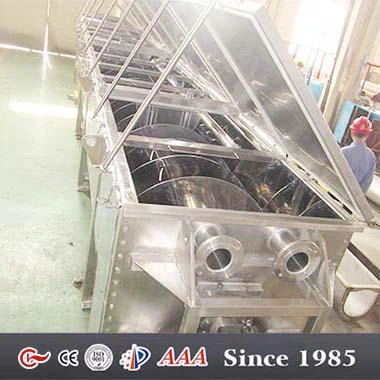

Next, drain all the fluids. Whether it's oil, water, or any other liquid in the mixer, leaving them in can cause leaks and potential damage. Plus, it'll reduce the weight, making it easier to move.
If your mixer has any detachable parts, like paddles or blades, it's a good idea to remove them. This not only makes the mixer more compact but also protects these delicate parts from getting damaged. You can pack them separately in a sturdy box with plenty of padding.
Choosing the Right Transport Vehicle
The size and weight of your mixer will determine the type of vehicle you need. For smaller mixers, a pickup truck or a small van might do the trick. But for larger industrial mixers, you'll probably need a flatbed truck or a specialized transport trailer.
Make sure the vehicle has enough space to accommodate the mixer comfortably. You don't want it to be too cramped, as this can lead to damage. Also, check the weight capacity of the vehicle. Overloading can be extremely dangerous and can cause accidents on the road.
Securing the Mixer
Once you've got the right vehicle, it's time to secure the mixer properly. Use high - quality straps or chains to tie down the mixer. Make sure they're tight and won't come loose during transit. You can attach the straps to the anchor points on the mixer and the vehicle.
Place some padding between the mixer and the vehicle to prevent scratches and dents. You can use rubber mats, foam padding, or even old blankets. This will also help absorb any shocks during the journey.
If possible, use a custom - made crate or container for the mixer. This provides an extra layer of protection and keeps the mixer in place. You can find some great options for mixers like the Conveyor Screw Coffee Screw Ribbon Mixer for Coffee System and Sludge Mixer Mixing Screw Conveyors.
Loading and Unloading
Loading and unloading the mixer requires careful planning. Use a forklift or a crane if the mixer is too heavy to lift manually. Make sure the equipment is in good working condition and operated by a trained professional.
When loading, lift the mixer slowly and steadily. Keep it level to avoid any imbalance. Place it in the vehicle in a way that it's centered and stable.
During unloading, follow the same safety procedures. Lower the mixer gently to the ground and make sure it's placed on a flat and stable surface.
Weather Considerations
Weather can have a big impact on the transportation of mixers. If it's raining or snowing, cover the mixer with a waterproof tarp. This will protect it from getting wet and rusting.
In extreme heat, try to schedule the transportation during the cooler parts of the day. High temperatures can cause the metal parts of the mixer to expand, which might lead to damage.
Insurance
No matter how careful you are, accidents can still happen. That's why it's important to have insurance for your mixer during transportation. Check with your insurance provider to see what kind of coverage they offer for transporting heavy equipment.
Tracking the Shipment
If possible, use a tracking system to monitor the progress of your mixer during transit. This way, you can keep an eye on its location and estimated time of arrival. It also gives you peace of mind knowing where your valuable equipment is at all times.
Post - transport Inspection
Once the mixer has arrived at its destination, do another inspection. Check for any signs of damage that might have occurred during the journey. If you find any issues, document them immediately and contact your insurance company if necessary.
Conclusion
Transporting a mixer safely is all about careful planning, proper equipment, and attention to detail. By following these tips, you can ensure that your mixer arrives at its destination in perfect condition.
If you're in the market for a new mixer or need more advice on transporting them, I'm here to help. I've got a wide range of mixers available, and I'd love to discuss your needs and find the perfect solution for you. Just reach out, and we can start the conversation about your mixer purchase and transportation requirements.
References
- General industry knowledge and experience in mixer supply and transportation.