

Hey there! As a supplier of mass conveyors, I often get asked about how to test the emergency stop function of these machines. It's a crucial aspect of conveyor safety, and getting it right can prevent a whole lot of headaches and potential disasters. So, let's dive into the nitty - gritty of testing the emergency stop function of a mass conveyor.
Why Testing the Emergency Stop Function is So Important
First off, why bother testing the emergency stop function? Well, think about it. Mass conveyors are used to move large amounts of materials, whether it's in a mining operation, a manufacturing plant, or a food processing facility. If something goes wrong, like a blockage, a mechanical failure, or an operator getting too close to moving parts, the emergency stop is your last line of defense. It can stop the conveyor in its tracks and prevent serious injuries or damage to the equipment.
Pre - Test Preparations
Before you even start testing the emergency stop function, there are a few things you need to do.
- Review the Manual: Every mass conveyor comes with a user manual. It's like a bible for your machine. Read through the section on the emergency stop system. It'll tell you how the system is supposed to work, what components are involved, and any specific testing procedures recommended by the manufacturer.
- Inspect the Equipment: Take a good look at the conveyor and the emergency stop buttons. Make sure the buttons are in good condition, not damaged or stuck. Check the wiring for any signs of wear, fraying, or loose connections. You don't want a faulty button or wiring to give you a false result during the test.
- Gather Tools: You'll need some basic tools for the test, like a multimeter to check electrical continuity and voltage. Make sure the tools are in good working order and calibrated correctly.
Testing the Emergency Stop Buttons
The emergency stop buttons are the most visible part of the emergency stop system. Here's how you test them:
- Isolate the Conveyor: Before you start pressing any buttons, make sure the conveyor is isolated from its power source. This might involve turning off circuit breakers or disconnecting power cables. Safety first, folks!
- Test Each Button Individually: Press each emergency stop button one by one. You should hear a distinct click, and the conveyor should come to an immediate stop. If the conveyor doesn't stop, or if the button feels loose or doesn't click properly, it's a sign that there's a problem.
- Check the Reset Function: After the conveyor has stopped, try to reset the emergency stop buttons. The conveyor should be able to start up again normally. If it doesn't, there could be an issue with the reset mechanism.
Testing the Electrical Circuit
The emergency stop system relies on an electrical circuit to send the stop signal. Here's how to test it:
- Use a Multimeter: Set your multimeter to measure continuity. Disconnect the wires from the emergency stop button and test the circuit. There should be continuity when the button is in the normal (un - pressed) position and no continuity when the button is pressed.
- Check the Relay: The emergency stop system usually has a relay that controls the power to the conveyor. Test the relay to make sure it's working properly. You can use the multimeter to check the voltage across the relay contacts.
- Look for Ground Faults: A ground fault in the electrical circuit can cause the emergency stop system to malfunction. Use a ground fault tester to check for any ground faults in the circuit.
Testing with Load
It's also important to test the emergency stop function with a load on the conveyor. This will give you a more realistic idea of how the system will perform in actual operation.
- Load the Conveyor: Put a small amount of material on the conveyor to simulate a normal operating load.
- Perform the Test: Press the emergency stop button while the conveyor is running with the load. The conveyor should stop within the specified time and distance. If it takes too long to stop, or if it overshoots the stopping point, there could be an issue with the braking system.
Documenting the Test Results
Once you've completed the tests, it's important to document the results.
- Record the Findings: Write down what you tested, the results of each test, and any issues you found. Include details like the date of the test, the name of the person who conducted the test, and the serial number of the conveyor.
- Keep a Log: Keep a log of all the emergency stop tests you perform. This will help you track the performance of the system over time and identify any recurring problems.
Regular Maintenance and Testing
Testing the emergency stop function isn't a one - time thing. It should be done regularly as part of your conveyor maintenance program.
- Set a Schedule: Decide how often you'll test the emergency stop function. It could be monthly, quarterly, or annually, depending on the type of conveyor and how often it's used.
- Train Your Staff: Make sure your operators and maintenance staff are trained on how to test the emergency stop function. They should know what to look for and how to report any issues.
Conclusion
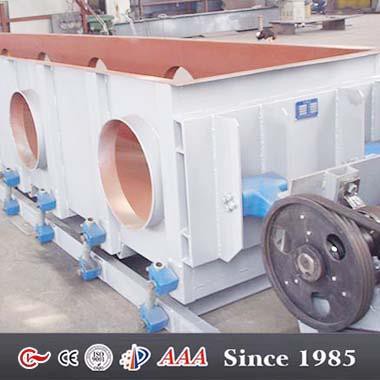
Testing the emergency stop function of a mass conveyor is a critical part of ensuring the safety and reliability of your equipment. By following these steps, you can identify and fix any problems before they cause a serious accident. If you're in the market for a high - quality mass conveyor, check out our Vibration Conveyor Mass Conveyor and Mass Conveyor for Bulk Material Handling. They're designed with safety in mind and come with a reliable emergency stop system.

If you have any questions about our mass conveyors or need help with testing the emergency stop function, don't hesitate to reach out. We're here to help you keep your operations running smoothly and safely. Contact us to discuss your specific needs and start a procurement conversation.
References
- Manufacturer's user manuals for mass conveyors
- Industry standards for conveyor safety
- Electrical engineering textbooks on circuit testing